(800) 728 8391



Quick summary:
- AI is changing real estate, with adoption more than 4x higher than in 2023.
- Real estate agents use AI for marketing, streamlining client communication, highly personalized recommendations, analytics, fraud prevention, and much, much more.
- Some of the key benefits of AI in real estate include saved time and money, as well as higher accuracy in analytics/data-based tasks.
- In this article, we’re listing 14 real-life examples of how to use AI in real estate to get you inspired.
In 2024, 75% of top US brokerages said they were already using real estate artificial intelligence (AI) in their operations (New Delta Media Survey).
AI is reshaping real estate and evolving fast, and generic tools don’t cut it anymore. Agents want AI that can qualify leads, nurture prospects, answer calls, create videos from photos, and more.
Here are the core forms of AI in the real estate industry you’ll see in 2026:
- Predictive AI – keeps your deals secure and shows where prices and demand are heading.
- Generative AI – drafts your listings, ads, and marketing strategies.
- Natural Language Processing – answers client questions for you.
- Automated Valuation Models – evaluate property values in seconds.
- 3D Staging – designs and furnishes homes digitally.
- Virtual & Augmented Reality – creates immersive walk-throughs and tours.
There are many benefits of AI when it comes to the real estate industry. Despite some concerns, the technology is built to support real estate professionals, not replace them.
So, how does use of AI for real estate look in practice? In this article, you’ll see the key benefits, tested strategies, and ideas you can put to work right away.
| # | AI use case | How real estate companies use it | Main benefit |
| 1 | AI chatbots | Answer property and transaction questions, capture visitors, and filter prospects 24/7 | Inquiries automation & leads capture |
| 2 | Virtual staging | Furnish empty property photos digitally to make listings more appealing | Make properties easier to market |
| 3 | Virtual tours | Let prospects explore properties remotely through immersive 3D experiences | Increase property engagement |
| 4 | Predictive recruiting | Identify agents who may leave and spot potential recruits | Strengthen and retain the team |
| 5 | AI lead nurturing | Automatically capture, qualify, route, and follow up with leads | Improve lead conversion |
| 6 | AI property inspections | Analyze drone imagery to identify defects, damage, and maintenance issues | Improve property monitoring & maintenance |
| 7 | AI transaction assistants | Track tasks, deadlines, paperwork, and transaction milestones | Keep deals moving |
| 8 | AI phone assistants | Answer calls, qualify prospects, and book appointments around the clock | Never miss an opportunity |
| 9 | AI property valuation | Analyze property data, comparable sales, and market trends to estimate value | Make faster pricing decisions |
| 10 | AI document extraction | Extract key information such as rents, renewal dates, and escalations from leases | Reduce document-review time |
| 11 | AI document management | Automate document tagging, clause recognition, summaries, and search | Simplify transactions |
| 12 | AI design & branding | Generate marketing materials and maintain consistent branding across teams | Scale marketing production |
| 13 | AI rental leasing assistants | Answer rental inquiries, qualify applicants, and schedule showings | Accelerate leasing |
| 14 | AI database reactivation | Analyze dormant CRM contacts, identify likely movers, and automate re-engagement | Turn old leads into new business |
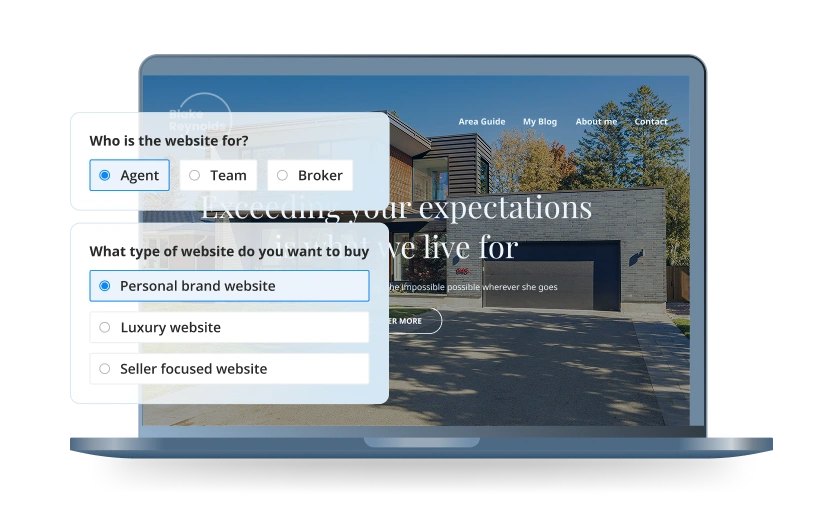
AI Websites for Real Estate
Get a custom, ready-to-edit website
in less than 4 minutes.
How AI is changing the real estate industry
In 2026, adoption of AI in real estate crossed 82%, compared to 68% in 2025 and only 15% in 2023.
AI is transforming the real estate industry at an incomparable rate.
What started as a handful of experimental chatbots and pricing tools has expanded into nearly every corner of the business.
AI is now used for:
- marketing and content creation (listings, ads, social posts),
- lead generation and qualification,
- client communication,
- property valuation and market analysis,
- personalized property recommendations,
- property management,
- compliance and document handling,
- fraud detection and identity verification.
It’s making the industry move smarter and quicker than it has a few years ago—although it doesn’t make the human factor completely obsolete.
| The agents winning with AI are taking things they already do and making them faster, cheaper, and more efficient. |
Even though over 80% of real estate agents use AI in their work, human touch still matters. And, perhaps, is becoming more important than it used to be.
Since property purchases usually involve significant investment and/or serious life changes, they require experience, sensitivity, and an ability to discern one’s needs from emotions that AI doesn’t have.
💡 If you want to know more, read our article “Will AI replace real estate agents?”, where we provide a fuller overview.
10 Benefits of AI in real estate
Companies already using AI are seeing real improvements in client satisfaction and team efficiency. Morgan Stanley Research looked at tasks across 162 REIT and CRE firms and found that:
AI could drive $34 billion in efficiency gains for the real estate industry by 2030.
Here’s where AI makes a real difference in 2025.
Benefit #1: Get hours back in your day
Some parts of the real estate business are a total slug. Routing tasks like lead sorting or tenant follow-ups often drain your time. What if you could channel your energy into growth, not grunt work?
AI cuts through that grind. AI tools can draft responses, auto-update listings across platforms, and pull the latest comps in seconds.
Thanks to AI-powered real estate apps and desktop tools, you spend less time clicking and more time doing the high-value work that actually grows your business.
Benefit #2: Make marketing and lead generation easier
Property marketing often eats up hours, too. But with AI for realtors, creating ads, writing listings, or planning campaigns becomes much simpler.
Generative AI can draft copy, suggest headlines, and tailor messages to different audiences. Smart tools recommend the best channels and timing for your outreach.
With AI, you can launch more campaigns, attract serious buyers, sellers, and renters, and keep your pipeline full without burning out.
Benefit #3: Qualify leads more effectively
Not every real estate lead is worth chasing. AI makes it easier to spot who’s serious and who’s just browsing.
AI lead-scoring tools analyze behavior, budget, and engagement history. You quickly see which prospects are ready to move and which ones need nurturing.
That way, you can channel your energy into leads most likely to convert instead of spreading yourself thin across everyone.
Benefit #4: Deliver better customer service
Real estate clients expect quick, clear answers as soon as they have a question. AI helps you meet those expectations by handling frequently asked questions for you.
A 2024 study published on ResearchGate by academic researchers found that:
AI Chatbots can handle up to 70% of routine inquiries.
For the real estate industry, that means questions about property listings, availability, or application steps can be solved instantly.
You stay responsive around the clock, and when clients talk to you directly, it’s about meaningful decisions instead of common FAQs.
Benefit #5: Engage clients in smarter ways
Personalization is a huge thing in 2025 sales and marketing. According to P2PI‘s discoveries:
53% of Gen Z and 48% of Millennials say they’re more likely to act when the experience is tailored to them.
AI helps you deliver that at scale.
Recommendation engines can deliver personalized property recommendations based on a client’s browsing history, budget, and preferences. Unlike traditional AI, predictive AI tools spot when someone is likely to move and flag them early.
AI also powers 3D staging, so clients can see a space fully furnished in seconds. With virtual and augmented reality, they can walk through homes from their phones or step inside buildings that don’t even exist yet.
You see, instead of sending generic updates, you offer tailored options and immersive experiences. That keeps clients more engaged and much more likely to contact you first.
Benefit #6: Simplify property management
Property management is full of small but constant tasks. AI tools take care of many of them for you, so nothing gets overlooked.
Here’s what AI property management systems can do:
- Automate rent reminders and track payments.
- Predict maintenance issues before they become emergencies.
- Handle routine tenant questions instantly.
- Keep records organized and compliant.
As a result, property managers deal with fewer emergencies, keep tenants happier, and gain more time to focus on growing their portfolios. And with satisfied tenants and landlords, you’re in a stronger position to ask for feedback and testimonials and use them to attract even more clients.
Benefit #7: Streamline compliance and paperwork
Real estate comes with a mountain of documents. Contracts, disclosures, mortgage forms, compliance checks–the list never ends. A single human oversight can mean delays, deals falling through, or, in the worst case, penalties.
AI takes on much of this load. It can scan documents for errors, auto-fill repetitive fields, and flag risky clauses before they cause problems. Transaction management systems now include AI features that track deadlines for signatures and regulatory requirements, keeping you on schedule without constant manual checks.
And unlike a human assistant, AI never sleeps.
Modern digital closing platforms also use AI technology to connect directly with e-signature software. In practice, it means that once a document is signed, it’s updated automatically across your system, and every detail stays aligned.
Your real estate organization benefits from fewer mistakes, less stress, and smoother transactions from start to finish.
Benefit #8: Gain a competitive advantage
The US real estate industry is a pretty crowded one.
As of May 31, 2025, NAR Treasurer Craig Sanford reported 1,453,690 registered REALTORS®.
That’s roughly 2.5 real estate agents for every available home on the market.
Now, picture two luxury real estate agents working in the same city. One does things the traditional way, while the other uses artificial intelligence:
| Traditional agent | Modern agent with AI |
| Relies on cold calls and spreadsheets | Uses predictive AI to identify the best prospects |
| Writes generic listings and emails manually | Lets generative AI draft tailored marketing content |
| Spends hours on market research | Gets instant insights from AI-driven market analytics |
| Responds slowly to client inquiries | Has chatbots and virtual assistants available 24/7 |
Benefit #9: Catch fraud and risk before it costs you
Real estate transactions are becoming a surprisingly common target for fraud.
The FBI’s Internet Crime Complaint Center logged over 12,000 real estate fraud complaints in 2025, with reported losses topping $275 million — a 58% jump from the year before.
But AI-powered verification tools can flag suspicious applicant identities, detect anomalies in financial documents, and catch inconsistencies in listings or payment requests in real time.
This could mean spotting:
- suspicious rental applications
- falsified documents
- unusual payment patterns
- identity fraud
- fraudulent transactions
- anomalies in property or financial data
Benefit #10: Nail your property valuation
Making sure your suggested price is right is one of the best and easiest tasks to delegate to artificial intelligence.
Unlike negotiations and open house tours, it doesn’t really need a human touch or a perspective that only years of experience can bring—it only needs to be as accurate as possible.
And let’s face it, that’s what AI probably does better than you.
AI-powered valuation tools process thousands of data points at once, including recent sales, price-per-square-foot trends by micro-neighborhood, seasonality, school district shifts, and even how long similar homes are sitting on the market right now.
What that means is a defensible, data-backed number you can put in front of a client in minutes, not days.
14 examples of how AI can be used in real estate
Artificial intelligence is only useful when you can turn it into action. Surprisingly, Salesforce’s survey proved that many users (43%) don’t know how to use gen AI to its full potential. Here are the most useful use cases and ideas to consider in the real estate business in 2025.
1. Leverage AI chatbots like Eklund Gomes

The Eklund Gomes team launched Maya, an AI chatbot branded as their in-house ‘AI Realtor.’ She lives on their website and works around the clock.
Built as part ChatGPT and part real-estate expert, Maya is powered with public listing data. She was even featured in The New Yorker, which shows you how much prestige the project brought to the brand.
Maya answers questions about open houses, current listings, asking prices, interest rates, and next steps in the buying or selling process. She also learns on the job: clients can rate her answers with a quick thumbs-up or thumbs-down, which makes her smarter over time.
Here’s another great marketing hook: to use Maya, visitors must sign in or become members of the site. With this simple step, the company captures every curious visitor as a lead, while making the experience feel exclusive.
For Eklund Gomes, Maya takes care of repetitive queries, filters out unqualified prospects, and hands agents quality leads ready for deeper conversations. For clients, she’s a Realtor who never sleeps, delivering instant answers that make the team feel modern, accessible, and ahead of the curve.
2. Stage homes with AI technology like Bob Hucker
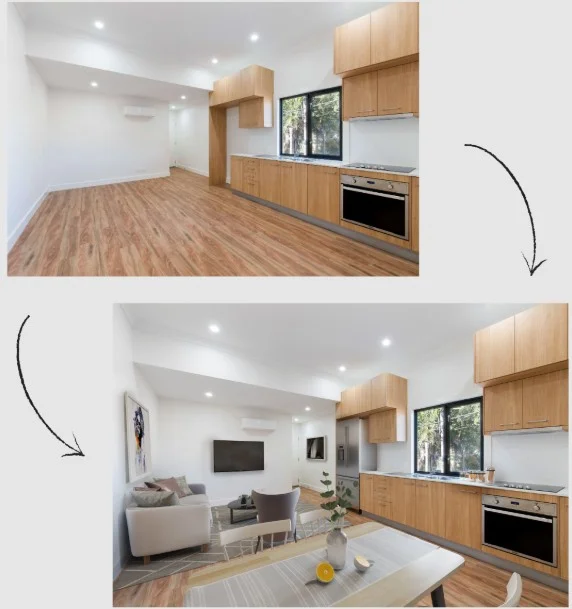
Real estate involves a lot of imagination. Agents and realtors used to rely on being very creative to help potential buyers see the full potential of a home. Now, AI-powered virtual staging is taking the stage.
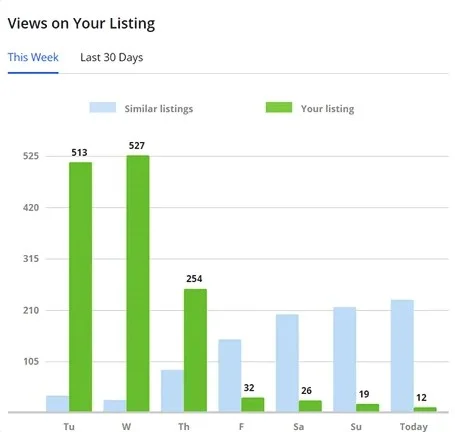
Bob Hucker, an agent in Austin, TX, used VirtualStaging to stage five photos for a new listing and saw immediate results:
“In the next three days, we had 12 showings and four offers. We signed an offer (…) about $5,000 over the listing price.”
The average home in Bob’s area typically sat on the market for more than a month. Virtual staging, powered by artificial intelligence, cut that time down to just three days. It’s a dramatic difference you can see in the graph below.
Intelligent virtual staging helps buyers picture a property as a home, not an empty shell. It creates an emotional connection to the space and builds excitement before a showing even happens.
For Bob, it meant more interest, a faster sale, and positioning himself as an agent who uses modern tools to deliver better results.
3. Showcase properties like Real Estate by Design
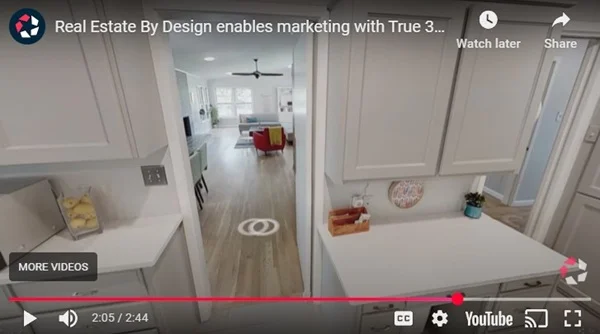
Real Estate by Design (REBD), part of the Keller Williams family in San Antonio, integrated Matterport 3D tours into their listings. Their team started using immersive AI-powered tours so clients can explore homes in detail before booking an in-person viewing.
The impact was incredible. According to the case study, their average days on market dropped from 30 to 21 days. At the same time, their sales-to-list price ratio jumped from 93% to 97% in just six months.
What’s more, some of their listings are sold sight-unseen. Clients actually commit based on these virtual experiences alone. Agent Jack (of REBD) mentions:
“Tech rules. Matterport is just one of those arrows we pull out of the quiver that’s been incredibly impactful, very cost effective, and the results are proven.”
He also shares that, during in-person showings, the team will pull up other properties on their iPad and walk potential buyers through them instantly using 3D tours.
This keeps momentum and often locks in their listing as the lead choice.
For you, this strategy means:
✔️ Potential buyers can explore homes anytime, from anywhere.
✔️ Sellers see more qualified interest before physical showings.
✔️ You brand yourself as a tech-forward agent, not just another listing.
4. Implement predictive analytics like Michael Saunders & Company

Recruiting and keeping talent is one of the toughest challenges for brokerages. Michael Saunders & Company, a Florida-based firm with over 700 agents, uses Courted’s predictive analytics and AI tools to strengthen its recruiting and retention.
The platform’s artificial intelligence models forecast which real estate professionals are most likely to switch brokerages. Sometimes up to 12 months in advance. In one test, Courted flagged 8 out of 10 agents who later made a move.
Thanks to this strategy, the company has time to focus on agents at risk of leaving and build relationships with top recruits. Instead of reacting after someone has already moved on, they can act early and keep their team strong.
5. Nurture leads with artificial intelligence like Changing Latitudes
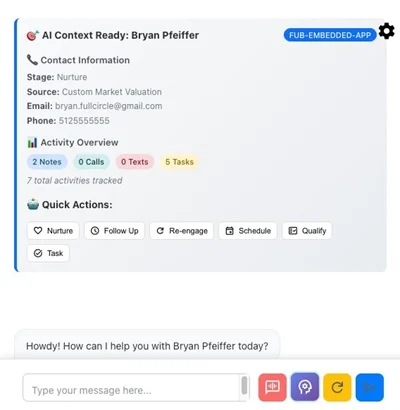
Effective lead generation and staying on top of them across multiple offices is a challenge for any brokerage. Changing Latitudes Real Estate, with agents in Florida and Tennessee, shows how a CRM system with artificial intelligence can make real estate operations much easier.
Changing Latitudes uses Follow Up Boss to capture and route leads automatically, assign follow-ups, and keep communication consistent across the team. With FUB AI built into the system, repetitive outreach is handled instantly:
✔️ Leads are qualified based on engagement.
✔️ Conversations are started by text or email.
✔️ Hot prospects are flagged for real estate professionals to follow up directly.
For their team, that means fewer missed opportunities and more time spent on real conversations. For clients, it means faster responses and a smoother experience.
And here’s the bigger picture: if your brokerage runs a Placester website, integrating it with a CRM like Follow Up Boss lets you bring the same AI-driven efficiency to your own business. Leads from your site flow directly into your CRM, where AI takes care of the early nurturing.
6. Inspect and monitor properties like CRC with drone + AI
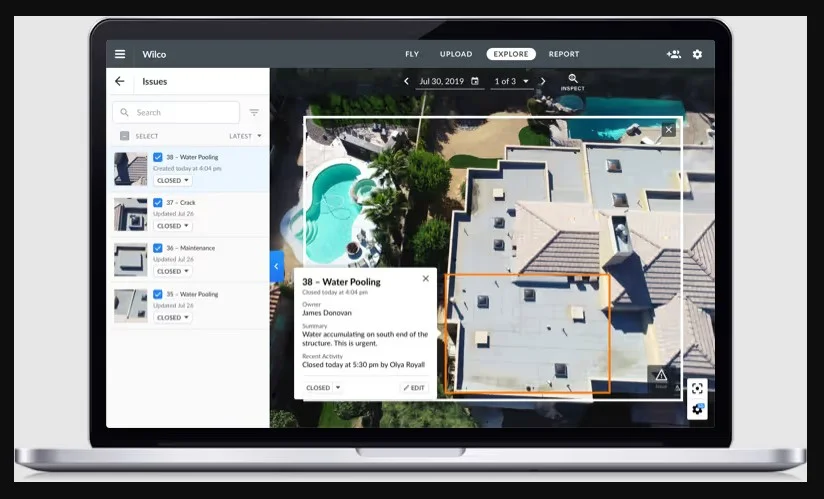
Large property portfolios come with big maintenance challenges. Inspecting roofs, exteriors, or hard-to-reach structures takes time, money, and often puts people at risk. AI-powered drones are up for the job.
California Resources Corporation (CRC) adopted DroneDeploy to manage inspections across their assets. Instead of sending teams everywhere, drones captured detailed imagery that AI analyzed for issues like cracks, leaks, or structural wear. The company claims to have saved $205,000 thanks to safer, faster inspections.
For real estate, drones and AI are already scanning building exteriors and roofs to identify defects before they grow. They make property condition assessments easier, support repairs and maintenance planning, and create 360° walkthroughs for real estate investors and owners.
The footage is extremely handy for documenting building issues for insurance purposes, adding another layer of protection.
And here’s something even more exciting: DroneDeploy also offers walking robots that capture ground-level images indoors.

It’s one more way to keep tabs on properties without the manual hassle.
7. Keep your team on track like Close to Home Consultants
How about having an intelligent transaction coordinator assistant that helps take tasks off your plate?
Close to Home Consultants, part of Keller Williams Advisors Realty, works with Ava, the AI assistant built into ListedKit. Each team member has their own Ava to track tasks, send deadline reminders, and keep paperwork moving without bottlenecks. Managers set role-based access so junior agents only see what matters to them, while leaders maintain the full picture.
Instead of being buried in admin, the team experiences fewer missed steps, smoother communication, and more time with clients. As per ListedKit’s guidance, if you’re managing 25+ files a month, Ava could be the game-changer that gives you back your time.
8. Never miss a call like REI House Buyers
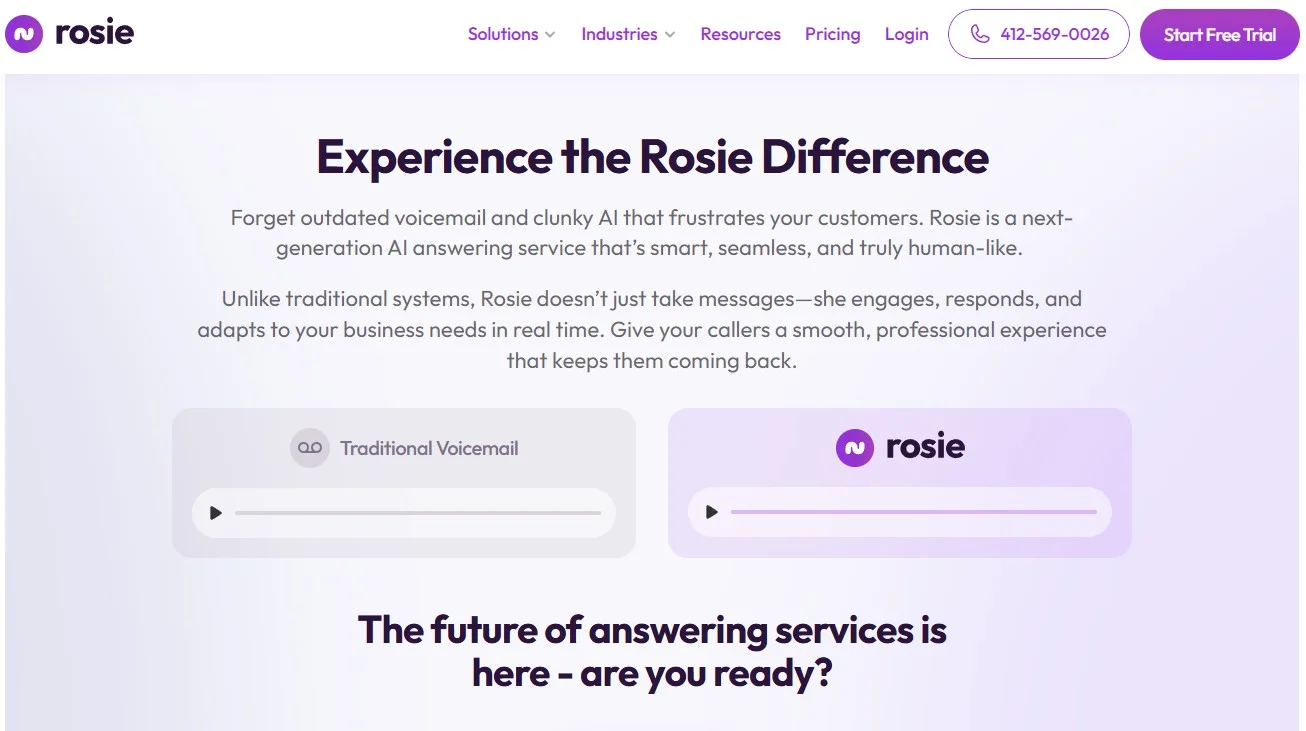
In real estate, a missed call often means a missed deal. REI House Buyers uses Rosie, a next-generation AI answering service, to make sure every inquiry is captured–day or night.
Unlike traditional voicemail, Rosie is smart and provides a human-like experience. She engages with callers, answers questions, and adapts to the business during the conversation. She also qualifies leads and books appointments automatically.
Setting Rosie up is simple. You can train her with your Google Business profile, real estate website, or basic company details. From there, she learns your services and language, so callers always get accurate, professional responses.
So instead of letting voicemails pile up, the smart system ensures prospects speak to ‘someone’ right away.
This is extremely important, as a study by LeadResponseManagement shows that:
Leads contacted within five minutes are 21 times more likely to convert than those left waiting.
With Rosie, REI House Buyers never misses that window and never leaves prospects hanging.
9. Get accurate property valuations like Hitch
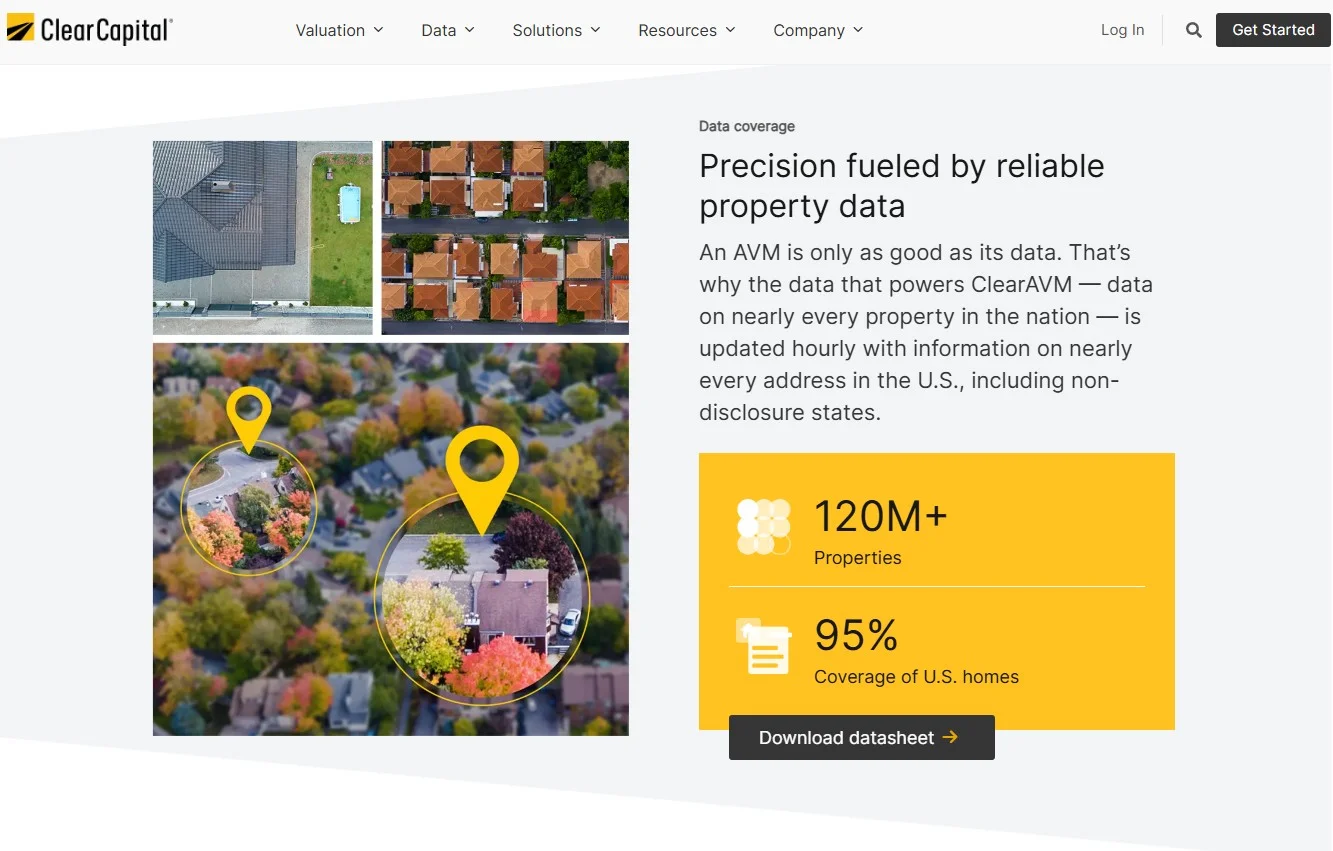
Getting the price right can make or break a deal. Go too high and a listing lingers, too low and you leave money on the table.
That’s why companies like Hitch, a home equity lender, use Clear Capital’s ClearAVM™, an AI-powered automated valuation model. It analyzes historical data on property, comps, and local market trends to deliver accurate, real-time valuations in seconds.
For Hitch, this translated into 30% more loan approvals and smoother customer experiences. For real estate agents and brokers, AI valuations mean faster, accurate pricing decisions and fewer disputes.
10. Cut down paperwork with AI platform like major US CRE company
A major US commercial real estate company used Docugami’s AI to automate lease data extraction. The result was an 80% reduction in review time.
Every property and every tenant is unique, so lease agreements can stretch to 20, 50, or even 100 pages. Instead of digging through contracts for renewal dates or rent escalations, their team received accurate summaries in minutes.
An intelligent system like Docugami enables faster reviews, meaning fewer mistakes, smoother closings, and more time spent with clients.
💡 Expert tip: If you’re a smaller agency, try AI platforms like Genie AI or Spellbook to draft or review contracts, leases, and disclosures. Genie AI is an extremely handy tool for legal real estate. For instance, it helps to generate, review, and customize real estate agreements and flags risky clauses.
11. Process & sign documents securely like Dilbeck
Paperwork can slow transactions and frustrate clients. Dilbeck Real Estate, a brokerage with 14 offices in Southern California and around 600 agents, solved this by moving to DocuSign Rooms for Real Estate.
The switch cut their paper costs in half and sped up deal flow, making transactions smoother for real estate agents, staff, and clients.
Beyond DocuSign’s classic e-signature feature, the company now builds AI into its platform to reduce manual tasks and speed up your real estate operations:
d✔️ Auto-tagging: AI places signature and initial tags automatically, reducing setup time.
✔️ Clause recognition: Key terms and clauses are flagged, so nothing important gets overlooked.
✔️ Document summaries: Long agreements can be condensed into clear summaries.
✔️ Smart search: Contracts become searchable by concept, not just keywords.
Realtor’s advantage: NAR members get an exclusive 20% discount on DocuSign’s real estate plans and additional features.
>> Also check out: 12 Real Estate Agent Tax Deductions to Save More
12. Speed up design and keep branding consistent like PeakMade
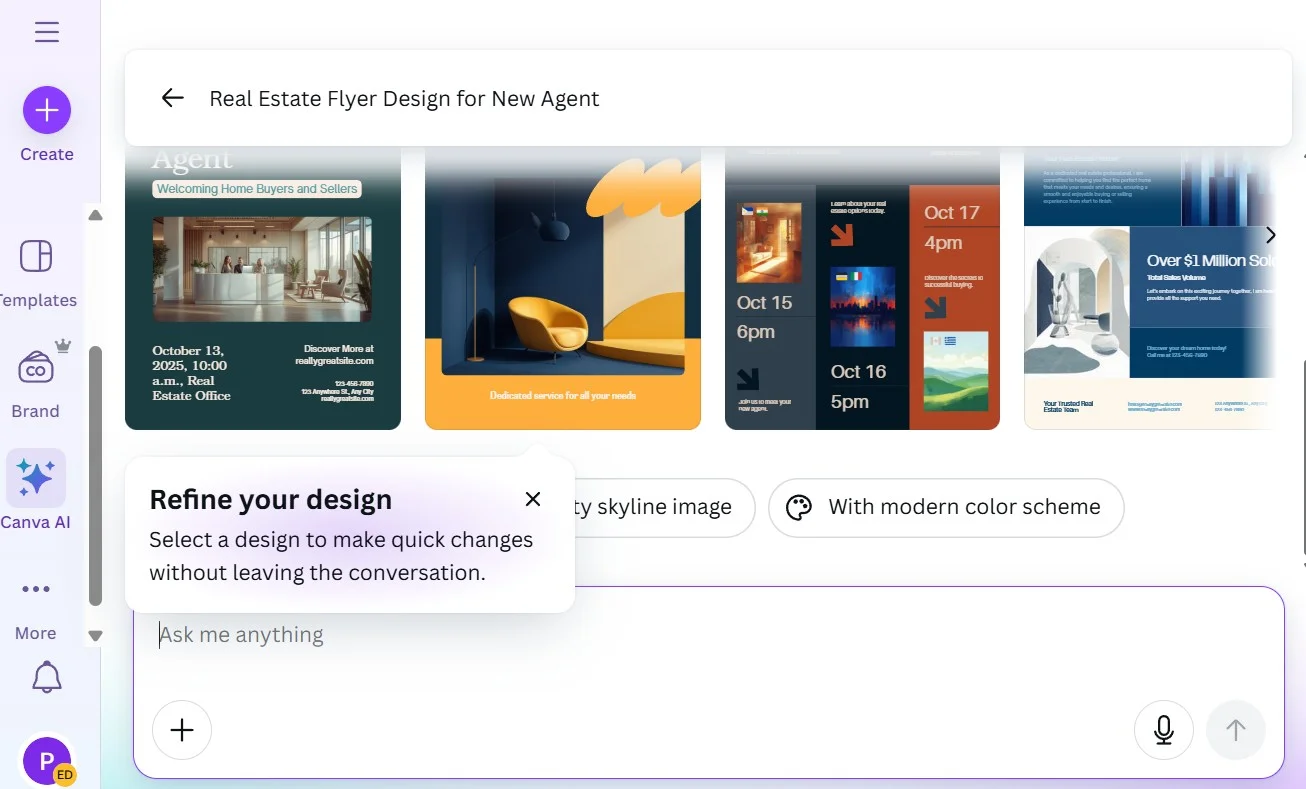
PeakMade Real Estate from Atlanta, GA, takes advantage of Canva’s AI features to create polished marketing materials in just a few clicks instead of hours. Their teams use Canva’s Brand Kit, Magic Write, Background Remover, and Magic Edit across departments worldwide.
The company reported cutting property onboarding time from two weeks to just 30 minutes, saving over $130,000 annually.
Canva helped PeakMade slash real estate flyer production time from 1.5 hours to 30 minutes, which is a 66% decrease. They achieved this by standardizing processes across leasing, marketing, accounting, and property operations.
13. Screen and convert rental leads like Bear Property Management
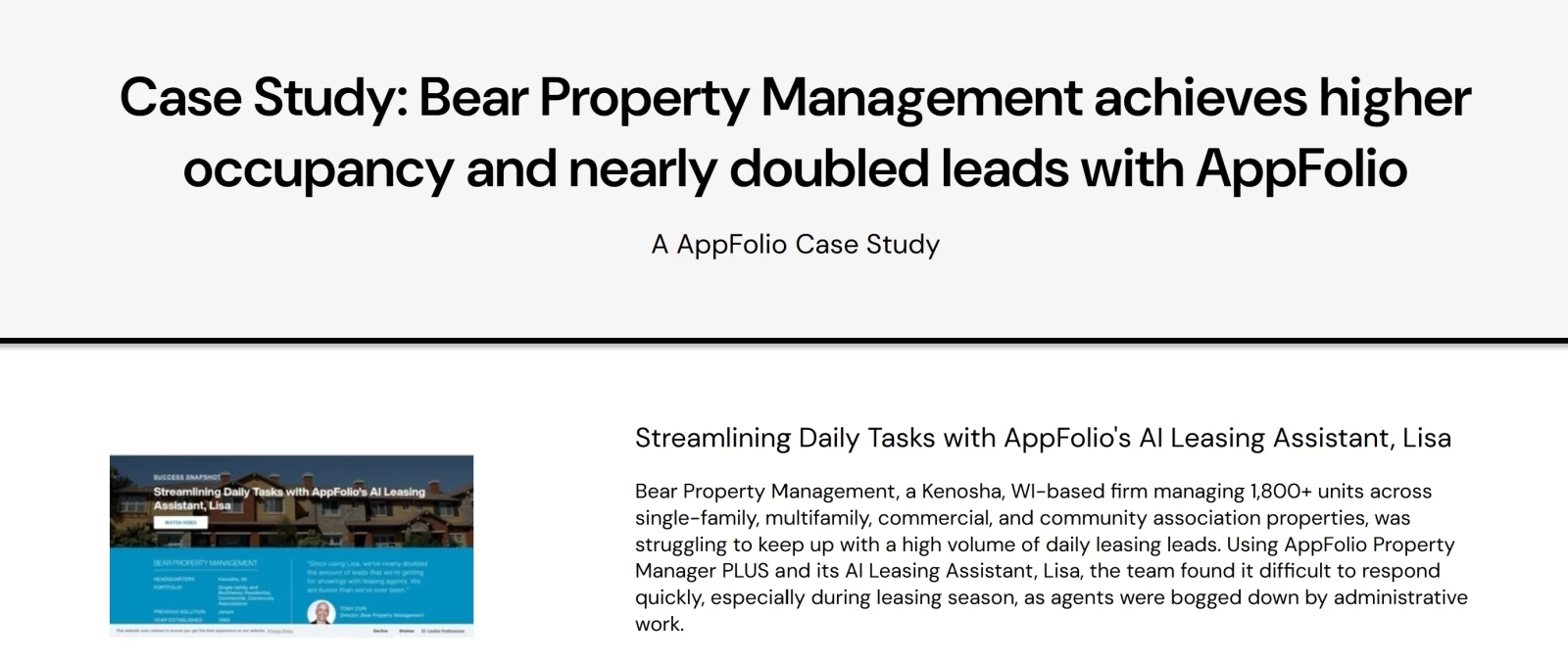
Bear Property Management (Kenosha, WI, 1,800+ units) adopted AppFolio’s AI leasing assistant, “Lisa,” to handle the flood of daily rental inquiries their agents couldn’t keep up with. Lisa answers renter questions by text within minutes, qualifies leads, and books showings automatically.
The results:
- 3,500+ online applications received
- 98% occupancy rate
- 400+ showings scheduled with Lisa
- 800+ online leases signed
14. Turn a dormant database into listings, like the Levi Rodgers Real Estate Group

LRG (San Antonio, ~350 agents, one of the largest RE organizations in the country) had thousands of leads logged in their CRM but never actually worked.
“People do not like making phone calls,” as founder Levi Rodgers put it.
So he decided to partner up with Fello, an AI tool built for real estate, to comb the database, spot homeowners showing signs they might move, and run the follow-up (calls, texts, emails) automatically.
As a result, “In six to seven weeks, the tool set over 250 appointments, and LRG held roughly 125 of them, a stick rate above 40% from contacts that had no prior engagement with the team.” (source: Fello Case Study)
Generative AI in real estate
Using artificial intelligence in real estate doesn’t have to mean advanced tools and pricey subscriptions.
There’s a lot that you can do with generative AI programs that you probably already use every day.
Here’s a short overview of how you can employ the biggest gen AI tools today in real estate, based on their biggest strengths:
ChatGPT
Known for its wide plugin ecosystem, strong prompt-following, and image generation capabilities, making it a solid all-rounder for day-to-day content needs.
- Best for: Property descriptions, social captions, quick email drafts, general brainstorming
- Not great for: Longer, nuanced writing. Many users complain about a very generic, repetitive style and unnatural language.
💡 For prompt ideas, read our article: Best ChatGPT prompts for real estate agents.
Claude
Tends to perform better on longer-form, more nuanced writing that needs to sound less templated and more like a specific person wrote it.
- Best for: Market analysis reports, detailed client communications, longer market reports and nuanced messaging
- Not great for: Quick, high-volume content where speed matters more than polish
💡 For prompt ideas, watch this video from Coffee & Contracts, a great real estate YouTube channel:
Claude AI for Real Estate Agents: Complete Beginner’s Guide (2026)
Gemini
Leans toward research and information-gathering rather than finished, client-ready copy.
- Best for: Research, neighborhood guides, pulling together background data and local trends
- Not great for: Final client-facing writing, as its output usually needs another pass before it’s ready to send.
How Placester brings AI into real estate marketing
At Placester, we’ve developed a new suite of AI-powered tools to help real estate agents work more efficiently. Our AI tools free you to focus on what no technology can replace: building client or customer relationships and closing deals.
Here’s what our customers are already using today:
AI Marketing Center – Create campaigns in minutes
What it does:
AI Marketing Center turns an MLS ID into branded flyers, landing pages, and social captions in minutes. Furthermore, you can choose between multiple variations before publishing.

Every listing gets a full marketing kit without hiring a designer or spending hours fussing with layouts. It’s faster, on brand, and easy to repeat with each new property.
Plus, you can track: time to first campaign, asset variations tested, CTR on landing/social pages.
How to use it in practice:
Drop in the MLS ID → Generate multiple variations → Pick one → Publish
AI Copywriter – Write listings and content with generative AI tools
What it does:
AI Copywriter writes SEO-friendly listing descriptions, community pages and blog articles for your real estate website. It uses generative AI that adapts to your tone, includes MLS details, and gives you a strong first draft to refine.
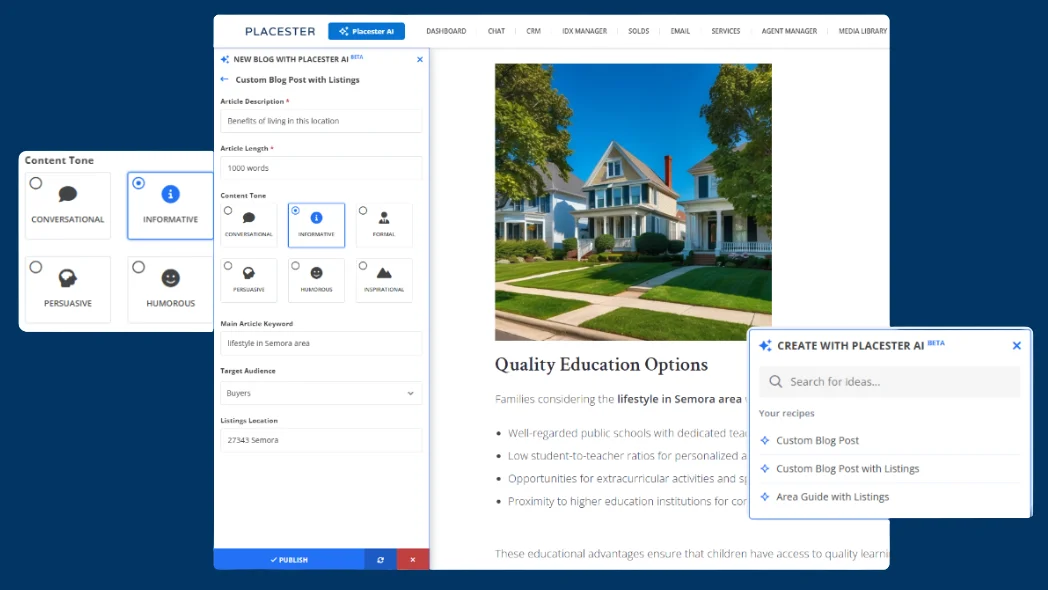
You can also use it to build neighborhood pages at scale, then refresh quarterly with market stats.
How to use it in practice:
Paste bullet notes from the seller walkthrough → Generate first draft → Add specifics and compliance language → Publish
Show Up Where Your Next Clients Are Looking
Explore how cutting-edge AI website builders help agents stay ahead of the competition.

AI Mobile Assistant – Stay responsive on the go
What it does:
AI Mobile Assistant helps you manage tasks and leads from your phone.
The app plugs into your Placester site so you can approve or request changes to listing pages or landing pages on mobile. You get notification alerts when new inquiries come in, letting you act quickly between appointments.
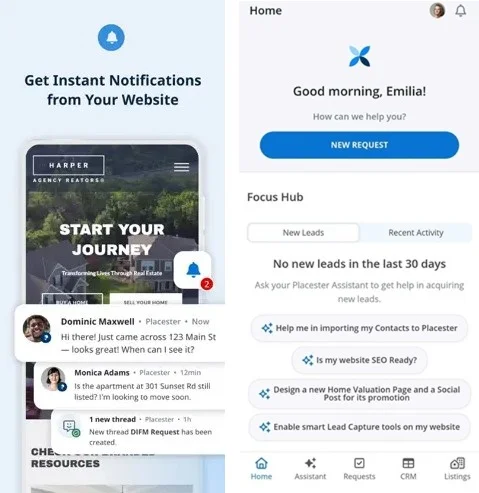
Your AI Assistant also syncs with Placester’s built-in CRM, so you can organize leads, send quick messages, and handle client requests on the go. Routine tasks get automated, leaving you more time to focus on active deals.
Social Automation
What it does:
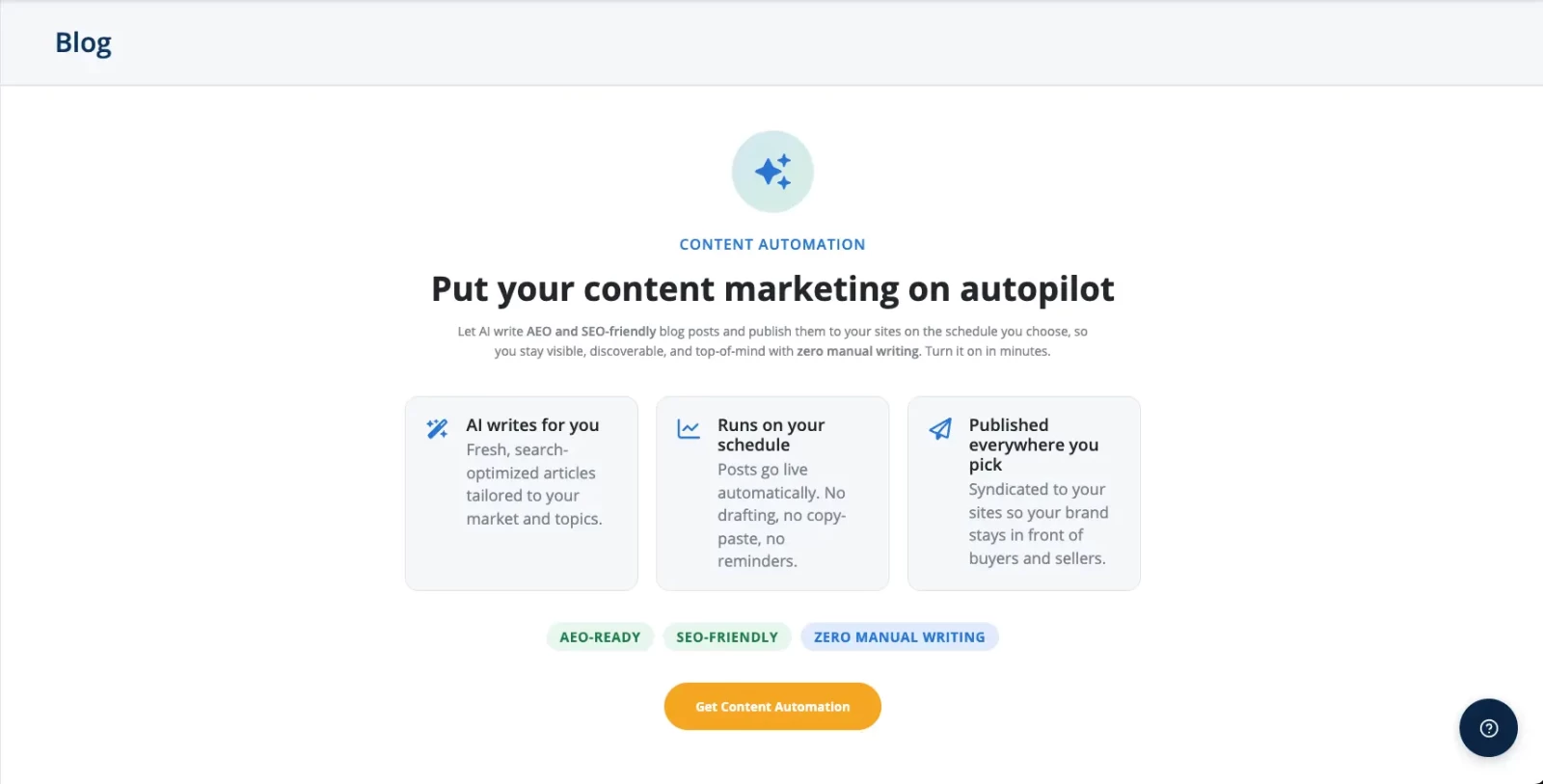
Social Automation uses AI to turn your listings and blog articles into branded videos with captions written from your real listing details, then publishes them to Facebook and Instagram automatically.
How to use it in practice:
Connect your Facebook Business Page and Instagram accounts. → Set preferences: which listings (type, price, beds, baths), sold posts, blog videos, Stories. → Let it run
Can AI fully replace real estate agents? Read our analysis.
Key Takeaways
AI won’t replace real estate agents, but it will replace the way they work. You don’t need to chase every shiny new app to get started. What helps instead is having a clear plan, so you know which AI tools actually support your business:
➡️ Free up time
➡️ Qualify better leads
➡️ Serve clients faster
➡️ Stay ahead of the competition
If some parts of your business still feel like a total slug, real estate artificial intelligence is how you change that. Start small, stay consistent, and let the results push you forward.
Explore how Placester seamlessly integrates AI in real estate marketing. Instead of juggling disconnected tools, you get marketing, lead management, and content creation all in one place–designed for real estate.
FAQ
What is the best AI tool for real estate?
The best AI tools for real estate are Placester and Canva for marketing, branding, and content creation. For document and property handling, platforms like DocuSign and Docugami streamline contracts and compliance. For visuals, AI tools such as Virtual Staging, Matterport, and Drone. Deploy help showcase properties with staging, 3D tours, and aerial inspections.
How to use AI for real estate agents?
Real estate agents can use AI for lead follow-up, contract drafting & compliance checks, compelling listing descriptions, Virtual staging tools, drone, 3D property scans, automated property valuations, customer service virtual assistants, marketing content creation, predictive analytics for buyer preferences and market trends.
How to use AI in real estate marketing?
Real estate professionals embrace AI marketing tools to create listing descriptions, social media posts, blog content, landing pages, and even full websites in just a few clicks. You can also plan entire campaigns based on AI recommendations, saving time while keeping your marketing consistent.
How to use AI for real estate listings?
If you want to use AI for your real estate listings, start with tools that generate property descriptions (like Placester), enhance photos, and stage homes virtually. You can also use AI to create 3D tours, translate listings into multiple languages, and optimize content for search engines.
How to use AI for real estate investing?
If you’re a real estate industry investor, you can use AI tools to analyze market trends, property features, and rental demand. These platforms generate clear reports and highlight patterns, helping you make data-driven decisions and reduce risk.
Can you use ChatGPT for real estate?
Yes, you can definitely use ChatGPT for your real estate firm. It can help you to draft emails, marketing copy, scripts for client calls, analyze documents, and answer common client questions.
Published on