(800) 728 8391



Quick summary:
- Both Realtors and real estate agents guide clients through buying, selling, and leasing property.
- Realtors are NAR members, follow a strict Code of Ethics, and access exclusive tools and networks.
- Real estate agents hold a license but don’t have to join NAR, gaining more independence.
- Membership, ethics, tools, and training are the main differences between Realtors and agents.
Over 1.5 million professionals in the U.S. call themselves Realtors, but not all licensed agents can use that title. It’s one of the most common mix-ups in the real estate world and it matters more than most people think.
Both Realtors and real estate agents help clients buy, sell, and lease property, but there’s a crucial distinction between them. It affects how they work, who they represent, and the standards they must follow.
| Category | Real estate agent | Realtor |
|---|---|---|
| Definition | A licensed professional who helps clients buy, sell, or lease property. | A licensed real estate agent who is also an active member of the National Association of Realtors (NAR). |
| Membership | Not required to join any national organization. | Must join the NAR and follow its membership rules. |
| Code of Ethics | Follows state laws and brokerage policies. | Must follow the NAR Code of Ethics, which sets higher professional standards. |
| Title use | Can use the title “real estate agent” or “salesperson.” | Can legally use the title “Realtor” and display the trademarked “®” symbol. |
| Training & standards | Meets state licensing and continuing education requirements. | Must meet the same state requirements plus NAR ethics training and ongoing education. |
| Network & resources | Limited to brokerage and local connections. | Gains access to NAR tools, data, market insights, and nationwide professional network. |
| Public perception | Viewed as a licensed professional. | Often perceived as more trustworthy due to NAR membership and ethical standards. |
Realtor vs. real estate agent—definitions
A real estate agent is a licensed professional who helps clients buy, sell, or lease residential and commercial properties.
Agents guide potential buyers through listings and represent sellers to get the best deal possible. They handle contracts, coordinate inspections, and make sure each step—from offer to closing—goes smoothly.
Every state sets its own rules for licensing. To earn a license, you must complete a state-approved course, pass both state and national exams, and clear a background check.
Real estate agents can choose to take their career further by joining the NAR, but it’s not required to practice real estate. They can also get a broker license. In that case, they:
- Open their own brokerage
- Start working independently
- Hire or supervise other agents
- Manage administrative staff.
Brokers typically join the NAR, which allows the agents working under them to also become Realtors if they choose.
A Realtor is a licensed real estate agent who’s an active member of the National Association of Realtors (NAR).
Joining NAR means committing to a higher professional standard and following its strict Code of Ethics. It guides how Realtors conduct business and represent their clients.
Membership in NAR also comes with a range of benefits that can boost both your business and reputation. As a member, you automatically join the local Board of Realtors, gaining access to:
- Local networking
- Leadership opportunities
- Exclusive market insights.
In many areas, NAR membership is also the key to accessing the Multiple Listing Service (MLS)—a vital tool for property listings and sales.
Realtors can take advantage of specialized certifications and continuing education classes from NAR. It allows them to stay ahead in a competitive market. They also gain visibility through NAR’s national member directory, where potential clients can easily find them.
On top of that, Realtors can use NAR-branded marketing materials and legally display the REALTOR® name and logo. It’s a mark of trust and professionalism. Members also enjoy access to discounted services and insurance plans. That helps them manage their business and personal needs more efficiently.
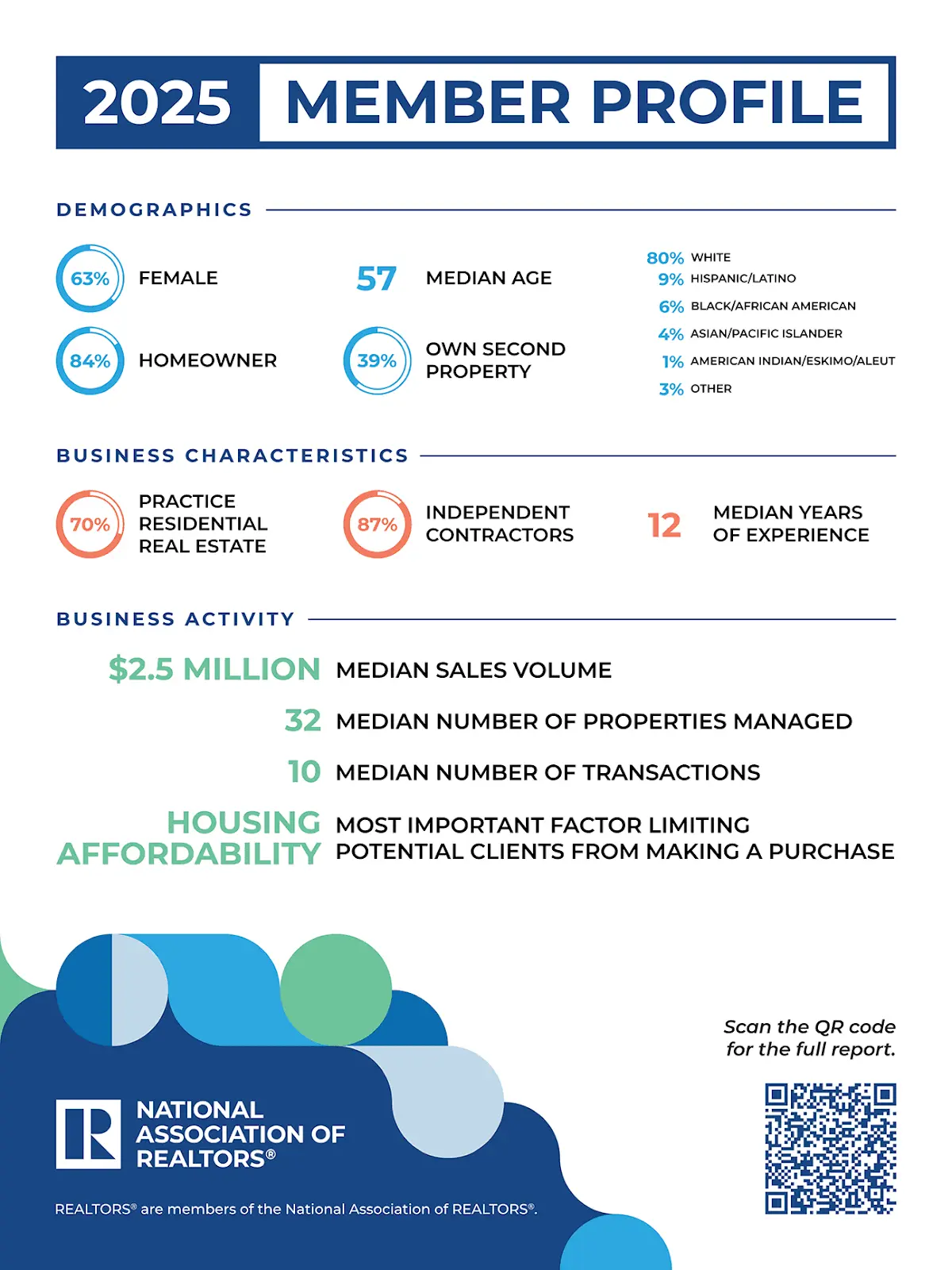
What is the difference between Realtor and real estate agent? 7 Differences
The main difference between a Realtor and a real estate agent comes down to membership and ethics. But does it also affect their earnings and career paths? Keep reading to see how these two roles stack up—and what those differences really mean for your business.
1. What do Realtor vs. real estate agent do?
Both Realtors and agents guide clients through every stage of a real estate transaction. Their job goes far beyond showing homes or writing offers. A typical day involves:
🔹Research
🔹Marketing
🔹Client management
🔹Negotiation
🔹And dozens of behind-the-scenes details that keep deals moving forward.
Seller’s agents prepare the property for the market. They coordinate staging, photography, and pricing based on a Comparative Market Analysis (CMA). They list homes on the MLS, promote them across real estate portals, and organize open houses.
Buyer’s agents search listings and schedule showings. By analyzing market data, they help clients make informed decisions. They also guide buyers through financing options, local regulations, and offer strategies.
While both roles handle the same core duties, Realtors often have access to broader resources through NAR membership. They include advanced MLS integrations, additional training, and exclusive market analytics. These tools can streamline listing management and improve negotiation strategies. In competitive markets, that added value can make a measurable difference.
2. How to become Realtor vs. real estate agent?
Before you become a Realtor, you have to get your real estate agent license. To do so:
1️⃣ Understand your state’s licensing requirements
Each state has its own specific requirements for becoming a licensed real estate agent. They include age restrictions, background checks, and a set number of pre-licensing education hours.
Example: In California, you must complete 135 hours of coursework, while in Texas, the requirement is 180 hours.
2️⃣ Enroll in a state-approved pre-licensing course
Choose a reputable real estate school that offers state-approved pre-licensing courses. They cover essential topics such as real estate principles, contracts, and state-specific laws. You can opt for in-person classes, online courses, or a combination, depending on your learning preference and schedule.
3️⃣ Pass the real estate licensing exam
After completing your pre-licensing education, you must pass your state’s licensing exam. It typically consists of two parts: federal real estate laws and state-specific principles. Many candidates find it beneficial to take exam prep courses or practice tests.
4️⃣ Find a licensed real estate broker to work with
In most states, newly licensed agents must work under a licensed real estate broker. This partnership provides mentorship and ensures compliance with legal requirements. It’s important to choose a broker whose values align with yours and who offers the support you need to succeed.
5️⃣ Activate your license and start practicing
Once you’ve passed the exam and secured a broker, submit any necessary paperwork to activate your license. After activation, you can begin working as a real estate agent. You’ll assist clients with buying and selling processes or renting properties.
Becoming a Realtor involves extra steps beyond obtaining a real estate license. Here’s what you need to do:
1️⃣ Join a local Realtor association
First, you must join a local association affiliated with the NAR. This membership grants you access to various resources and networking opportunities.
2️⃣ Pay membership dues
The NAR annual membership dues are $156 per member for 2026. There’s also a special assessment fee of $45, which supports NAR’s consumer advertising campaign. You pay these dues through your local association.
3️⃣ Complete the Code of Ethics training
The Code of Ethics course teaches the rules and standards you must follow. You can take it online, and it lets you keep your NAR membership.
Realtor’s ethics training must be at least 2 hours, 30 minutes of instructional time.
3. How much do Realtor vs. real estate agent earn?
Real estate agent salary depends on how many deals they close and how big those deals are. Another important thing is how much of the commission they actually keep after splitting it with their brokerage. Both Realtors and agents earn on a commission basis, but how that money breaks down can vary a lot.
A standard real estate commission runs around 5% to 6% of the final price. The buyer’s agent and listing agent divide that amount. Each side then splits their share again with their brokerage. New agents often start on a 50/50 split. Experienced pros can move to 70/30 or even 80/20 once they prove themselves or reach production caps.
👉 See this Reddit discussion where new Realtors share their first-year earnings and experiences.
After the 2024 NAR settlement, one big change shook the system: MLSs no longer show offers of managing broker compensation. Now, buyer agents negotiate their pay directly with clients instead of relying on built-in commission offers. It’s a shift that gives agents more control but also requires clear communication and strong buyer agreements.
Here’s a quick look at how income compares across different real estate professionals:
| Role | Median annual income | Typical range (10th–90th percentile) | Main income source | Factors affecting earnings |
|---|---|---|---|---|
| Real estate agent (salesperson) | $56,320 | $31,940–$125,140 | 100% commission-based | Sales volume, brokerage split, market size, experience |
| Real estate broker | $72,280 | $36,920–$166,730 | Commission overrides, personal sales, desk fees | Real estate office ownership, team size, licensing level |
| Realtor (NAR member) | $58,100 (gross) | < $10,000 (new)–$100,000+ (16+ yrs) | Commissions + NAR benefits (discounts, marketing tools) | Tenure, specialization, local demand, referral network |
4. What is Realtor vs. real estate agent public perception & trust?
When clients look for someone to help them buy or sell real estate, trust and credibility play a big role. How the public views you can influence their decision and your business. So, is it better to call yourself a sales agent or a Realtor?
According to a 2024 survey of homebuyers and sellers, trustworthiness and honesty were ranked as the most important quality people look for in a real estate agent helping with a home purchase — beating out all other attributes like local market knowledge. (Newrez data)
Real estate agents often build their reputation one deal at a time. Their credibility rests on personal performance, local market knowledge, and client feedback. Since they operate under a supervising broker, their public brand tends to center on individual strengths.
That means agents may struggle more than Realtors to establish a widespread reputation. Their recognition rarely reaches beyond their local area.
When you become a Realtor, on the other hand, you tap into the credibility of the NAR brand. Membership carries a commitment to a formal Code of Ethics. It emphasizes transparency, fairness, and client-first behavior. Your target audience starts to associate you with a higher level of professionalism and service.
While reputational issues exist in the industry, Realtors generally enjoy stronger brand visibility.
5. What are Realtor vs. real estate agent ethical standards?
As a licensed real estate agent, you should follow the ethical standards set by a particular state’s regulatory agency. These rules focus on core responsibilities:
- You must represent property accurately and disclose all material facts you know.
- You must handle escrow and trust funds properly.
- You must avoid undisclosed conflicts of interest.
- Your business relationships fall under state law and the licensing commission’s rules.
As a Realtor, you commit to an even higher level of ethics—voluntarily. Membership in the National Association of Realtors (NAR) binds you to its Code of Ethics, which goes beyond state law. According to these rules:
- You should actively place your client’s interests ahead of your own.
- You should cooperate with other real estate professionals when it serves your client.
- You can’t discriminate against your clients based on race, religion, sex, disability, or other protected traits.
- You are accountable through a professional-standards process if you violate key articles of the code.
6. What tools do Realtor vs. real estate agent use?
Your tools can make or break your real estate business. The difference between a Realtor and an agent often comes down to what’s in their toolkit and how they use it.
Real estate agents rely mainly on what their brokerage provides. That might include:
- Access to the local MLS
- Standard marketing templates
- Basic CRM systems.
Many agents supplement those with free or low-cost tools to manage listings and client communication. Think Canva, Google Workspace, or social media schedulers. It works, but it’s mostly a DIY setup.
Realtors gain access to a much larger ecosystem. NAR membership opens doors to resources that other real estate agents can’t use. They include, for example:
- Exclusive data
- Marketing platforms
- Advanced MLS integrations
- Professional design templates
- Ready-to-use market reports
- Educational webinars.
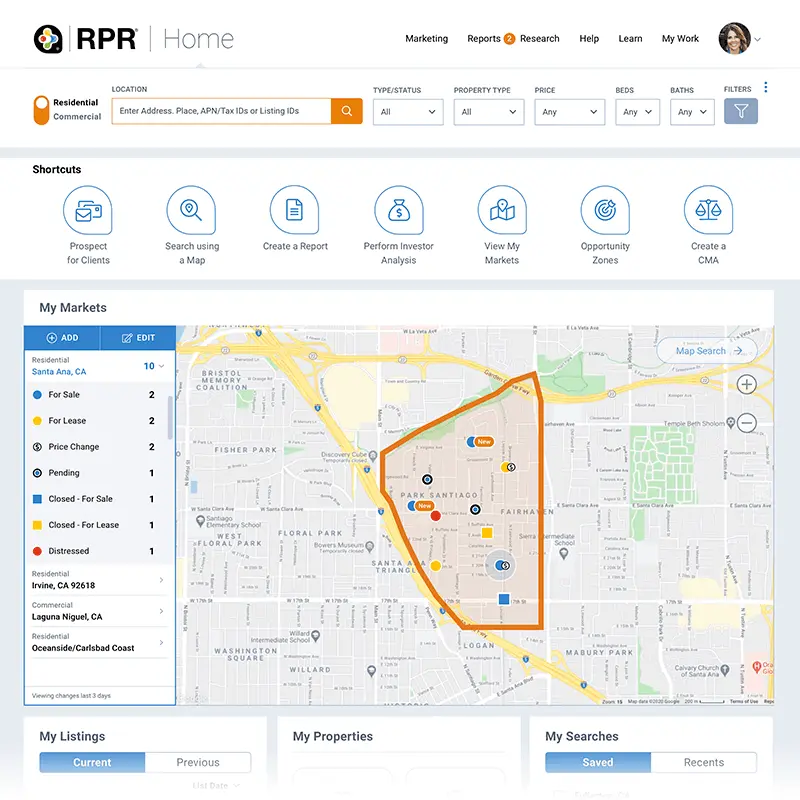
Example: Realtors get free access to RPR® (Realtors Property Resource). They can use it to pull detailed property data and neighborhood insights in seconds.
👉 Explore this Reddit thread for the apps, tools, and hacks Realtors use to boost productivity.
7. What education & career paths do Realtor vs. real estate agent have?
Your professional license isn’t the finish line—it’s only the starting point. The best agents and Realtors never stop learning. Ongoing education keeps you sharp, compliant, and ready for what’s next in the real estate industry.
All agents must complete state-mandated continuing education (CE) to keep their licenses active. Each state sets its own rules. For example, New Jersey requires 12 hours of CE every two years, including specific modules on ethics, fair housing, and agency law. Other states add courses on risk management, contracts, or legal updates. These classes cover the basics, but they rarely help you stand out in a competitive market.
That’s where Realtors take things further. Through their NAR membership, they gain access to exclusive training and certificates. Specific designations elevate their professional profile. The National Association of Realtors offers dozens of programs, including:
- Accredited Buyer’s Representative (ABR®)—focused on advanced buyer representation strategies.
- Certified Residential Specialist (CRS)—designed for top-performing residential agents.
- e-PRO® Certification—covering digital marketing and tech skills for today’s online-driven market.
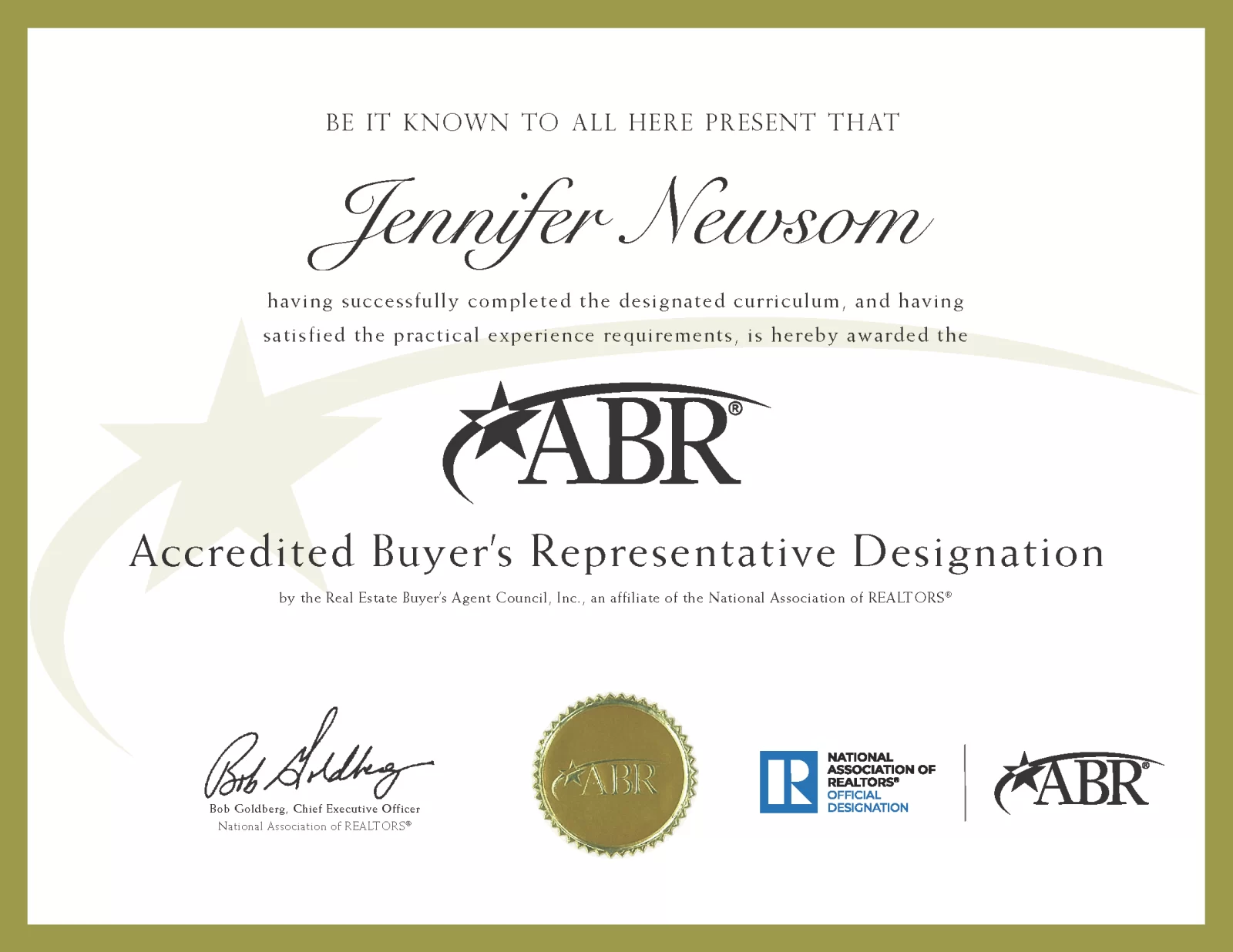
Each credential requires extra coursework and often proof of production or field experience. Earning one not only deepens your knowledge but also signals to clients that you take your career seriously.
Many Realtors complete these programs through NAR’s Center for Realtor Development. It offers courses on topics like sustainability, negotiation, and leadership.
>> Also read: 10 Best Paid Types of Real Estate Jobs & Career Paths
Realtor vs. agent—advantages & disadvantages
Becoming a Realtor is a choice—and it comes with both perks and extra responsibilities. Here’s what you should know about the pros and cons of such a step.
Advantages of being a Realtor:
- Joining the NAR gives you instant credibility. The Realtor title signals professionalism and ethical commitment. Clients often recognize and trust that brand more than other professionals.
- You gain access to member-only tools like the Realtors Property Resource. You may also use advanced MLS integrations and exclusive market data. These resources can make your pricing, marketing, and negotiations sharper.
- NAR membership connects you to a national network of professionals. That means more referrals and stronger mentorship opportunities. CRS, GRI, or ABR credentials can help you stand out in crowded markets.
Disadvantages of being a Realtor:
- Membership comes with costs like annual dues, local board fees, and mandatory ethics training. While the investment can pay off, it’s not small, especially for new agents still building a client base.
- You’re bound by a strict Code of Ethics. That’s good for consumers, but it can limit how you handle certain negotiations or marketing strategies compared to other industry professionals.
Advantages of being a real estate agent:
- As a non-member agent, you keep things simple. You avoid NAR dues, ethics training, and extra paperwork. You still hold the same state license, represent buyers and sellers, and earn commissions.
- You have more flexibility in branding and marketing since you’re not tied to NAR guidelines. Some agents prefer that independence, especially when they focus on niche or non-traditional markets.
Disadvantages of being a real estate agent:
- Without NAR membership, you lose access to exclusive tools, networking events, and referral programs. Building credibility and trust may also take longer since you don’t benefit from the Realtor’s name.
- You must rely more on your own marketing, reputation, and local broker resources to stay competitive. In tight markets, that can make a real difference.
As a quick summary, here’s a table highlighting the key advantages and disadvantages of Realtors versus regular agents:
| Realtor | Real Estate Agent | |
|---|---|---|
| Advantages | National recognition | Lower costs |
| NAR Code of Ethics | Flexible marketing | |
| Access to RPR & MLS tools | More independence | |
| Networking & referrals | No mandatory dues | |
| Advanced certifications (CRS, GRI, ABR) | Simple compliance | |
| Disadvantages | Annual dues (NAR, local, state) | Less brand credibility |
| Mandatory ethics training | Limited access to tools & analytics | |
| Must follow NAR branding rules | Fewer formal career growth options |
Comparing real estate professionals: key takeaways
In the end, choosing between a Realtor and a regular agent depends on your priorities. If you value structure, community, and credibility, joining NAR gives you an edge. If you prefer independence and lower overhead, staying a licensed agent may suit you better. Success depends less on the title and more on how you use your skills, relationships, and local market knowledge.
For tools and support that help you grow, Placester offers solutions for marketing and online presence. Whether you’re a Realtor or an agent, these resources make it easier to run your business efficiently.
AI Websites for Real Estate
Get a custom, ready-to-edit website
in less than 4 minutes.
FAQ
How many real estate agents are Realtors in 2025?
As of 2025, about 1.5 million licensed agents hold membership in the National Association of Realtors (NAR). That means the majority of the roughly 2 million active agents in the U.S. are Realtors.
How can you join NAR?
To join NAR, first hold an active real estate license and apply to your local Realtor association. Once the board accepts your application, you automatically gain state and national membership.
Should the word “Realtor” be capitalized?
Yes. “REALTOR” is a registered NAR trademark. Always capitalize it and never use it as a generic term for all agents.
Do Realtors make good money?
Realtors can make very good money. Most Realtors earn commission, so pay depends on deal volume, location, and experience. According to industry data, average annual earnings typically range from about $50,000 to $100,000, while experienced or top-producing Realtors can earn well over $100,000. That said, the first few years are often the hardest, and many new Realtors earn significantly less while building their client base.
How did the 2024 NAR commission settlement change?
The 2024 NAR settlement reshaped how buyer agents earn commissions. Agents now negotiate their pay directly with clients instead of relying on pre-set compensation in the MLS. This change increases transparency and gives both sides more control.
Published on