(800) 728 8391



Quick summary:
- A real estate mentor helps you learn faster and avoid beginner mistakes.
- You can find mentors through brokerages, local events, apprenticeships or online communities.
- Mentorship types include one-on-one, group programs, brokerage support and investor mentors.
- To become a mentor, build authority with a strong online presence, educational content and proven results.
Real estate mentors can play a huge role in shaping your career, just like mentors do in life in general. You need people who’ve already been where you want to go. A real estate mentor brings knowledge and experience that can help you make smarter choices and avoid common mistakes that slow many rookie agents down.
Industry insiders say that roughly 50% of new agents leave the business within two years (Realtor Magazine). That’s why having someone experienced by your side from the start can help you build the successful career you’ve been dreaming about.
This read will show you how to find the right real estate mentor, what questions to ask, and how to get the most from that relationship.
What is a real estate mentor?
A real estate mentor is an experienced agent or broker who guides you through the ups and downs of the business. They’ve already made the mistakes you’re about to make – and they’re willing to help you avoid them.
Mentorship often starts within a brokerage, where new agents learn from more experienced colleagues. Joining a dedicated mentorship program is another way to gain that experience.
Programs like NAR Spire,active from 2021 to 2023, connected agents and brokers across the country and opened the door to new markets and fresh perspectives.
A strong mentee-mentor relationship is built on trust and honest communication. The best mentors help you connect theory with practice.
What does a real estate mentor do?
The perfect real estate mentor guides you through everyday challenges that inexperienced agents often struggle with on their own. They’ll tell you things that the real estate courses don’t cover.
A good mentor shows you how to approach your first listings, handle client and customer objections and close deals with confidence. They can help you understand contracts, explain industry jargon and share negotiation tips that actually work in your market.
They’ll also teach you how to plan, stay organized, and use real estate tools that make daily work easier. More importantly, they help you see the bigger picture, not just the next transaction.
Plus, you get ongoing feedback and insights along the way.
“I used my own discoveries and experiences, good and bad, as a learning opportunity for my mentee.”
Says Christina James, an agent with Realistar in Beavercreek, Ohio, and one of nearly 800 NAR Spire mentors in 2023.
Beyond the technical side, mentors also help you stay focused and motivated. They push you to set clear goals and manage your time better. Many will introduce you to their professional sphere, which can lead to new clients or partnerships.
In other words, a mentor gives you both knowledge and connections – two things that can take years to build without guidance.
Is it worth it to hire a real estate mentor or coach?
In some cases – yes, it’s absolutely worth it. The early stages of your career in real estate can be tough, and having someone experienced by your side can make all the difference.
Avoiding beginner mistakes pays off. A ResearchGate study by Ph.D Finance and Real Estate Professor, Bennie D. Waller, found that:
10%
Rookie agents list homes that sell for about 10% less and take significantly longer to sell than those handled by experienced professionals.
A good mentor can help you avoid those costly missteps early on.
That said, let’s be honest – most coaching programmes and paid mentorships were created to make money. They can cost several hundred to thousands of dollars per month for learning how to follow a proven system.
So, if you’re willing to make this investment, make sure it’s the right fit. Think about how you want to build your real estate career and find someone who’s already doing it successfully. Choose a mentor whose experience aligns with your goals and whose teaching style fits the way you learn. When that match clicks, the investment pays off.
Still, there are many voices in the industry who say paid mentorships aren’t always worth it, especially when there are so many free ways to learn. As one user in a real estate investing discussion on Reddit shared:
“No need to hire a coach or mentor. There are some very good websites where you can engage with fellow real estate professionals from all over the country. BiggerPockets is one of the better sites. Then join local real estate investor groups. Go to meetups and just throw yourself in. Excellent way to learn and network.”
Common types of real estate mentorship
In real estate, you can learn from people in many ways: from direct shadowing to online programs. Here are some of the most common real estate mentorship options and what to expect from each.
One-on-one mentorship
One-on-one mentorship is an independent arrangement where you work directly with an experienced professional who guides you through real situations, not just theory. The relationship is close and personal, so the learning curve is much shorter.
Early on, your mentorship might focus on regular check-ins, feedback sessions, and help with day-to-day tasks like preparing marketing materials, scheduling appointments, or managing listings. It’s a great way to learn how the business really works while showing your mentor you’re serious and willing to contribute.
As the mentorship relationship grows, some mentors may invite you to shadow them – join showings, listen in on client calls, or observe negotiations. This hands-on experience helps you see how professionals handle challenges and make decisions in real time.
Say you want to break into luxury real estate. You’ll need a mentor who specializes in that area. Luxury mentors teach you how to present your brand, connect with affluent clients, and master high-end marketing strategies right from the start.

Private mentors or coaches usually charge for their time (per hour or session). You can expect anything from a few hundred dollars for short sessions to several thousand for structured coaching packages that last a few months.
Consultants and one-time meetups, in person or online, are a more flexible option. You can schedule them when you can afford it, without committing to a full program.
Group mentorships and mentor programs
Group mentorships bring several mentees together to learn from one or more experienced professionals. You get guidance, support, and the chance to exchange ideas with peers who face similar challenges.
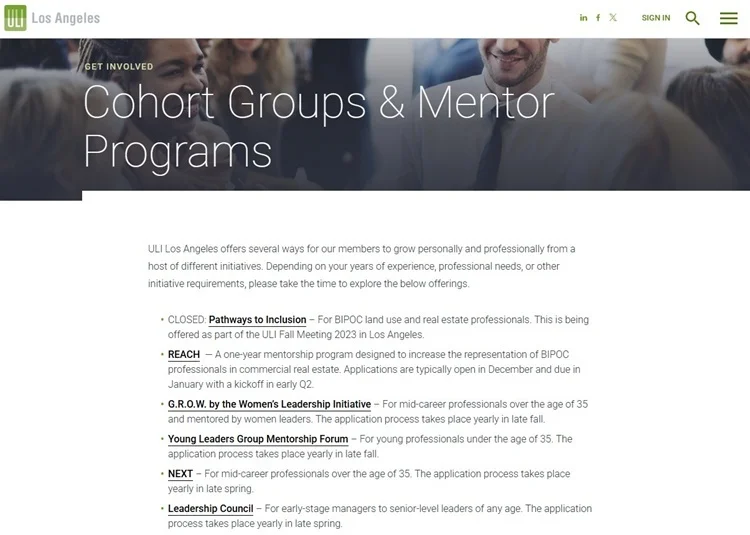
Mentor programs usually follow a structured format with set topics, learning goals, and regular sessions. You always know what to expect and how to track your progress. This structure builds accountability and teamwork. You learn from your mentor’s advice but also from the experiences and perspectives of other participants.
It’s a good option if you prefer a clear learning path, steady motivation, and the sense of community that comes from growing alongside others.
Brokerage mentorships

Many companies pair starting agents with experienced professionals to help them get up to speed faster. It’s usually free or included in your commission split, making it one of the most accessible ways to start learning.
You’ll get guidance on company tools, workflows, and proven practices. It’s ideal if you’re just starting out and want structure, accountability, and someone to turn to when questions come up.
Ask your managing broker or team leader if your office has a mentorship program in place. If not, find a local broker who offers one-on-one support for aspiring real estate agents or see if they can pair you with an experienced colleague who enjoys mentoring.
Apprenticeships
Apprenticeships are structured training programs designed to combine education with real-world experience. You work under an experienced agent or broker while completing specific learning goals and milestones.
They often last from six months up and may lead to certification or full-time positions. Programs like the Greg Harrelson Real Estate Apprentice Program offer hands-on training and direct shadowing under experienced agents.

Apprenticeships are great if you want a more formal path into real estate with steady guidance and measurable progress without the high cost of private coaching.
Real estate investor mentors
Going into the investment side of the real estate industry can feel exciting, but also risky and uncertain. Each strategy, from flipping to renting, comes with its own challenges and learning curve.
According to the National Association of Realtors Member Profile Survey:
26%
of REALTORS® own residential investment properties.
If you’re interested in an investing career, alongside selling, working with top real estate investor mentors can give you a broader perspective. They can teach you how to spot profitable deals, analyze market data, and manage risk. Such skills go far beyond everyday transactions.
Many experienced investors also share their knowledge online. YouTube videos like the one below are a great way to learn what to look out for and how to avoid costly mistakes.
Learning from an investor’s perspective helps you understand real estate as both a business and an asset class. You’ll see how top investors make decisions, structure financing, and create long-term income streams. That insight can strengthen how you guide your own clients, too.
Online mentorship communities
Virtual mentorship has become one of the most convenient ways to learn from experienced real estate professionals, especially if you’re juggling a busy schedule. You can join online programs, forums, or webinars that connect you with mentors and peers from across the country.
They’re often more affordable than in-person mentorships and give you access to a wide range of perspectives and strategies. The trade-off is that they require more self-discipline and initiative.
For example, BiggerPockets is one of the largest online real estate communities, offering free forums, webinars, and mentorship discussions for agents and investors. It’s a good place to learn from experienced professionals, find accountability partners, and build your network.
How much will a real estate mentorship program cost?
Real estate mentoring programs can cost from zero to hundreds, or even thousands, of dollars. Here’s a comparison table showing the real-life examples and what you can expect to pay.
Real estate mentoring comparison
| Program | Type | Cost |
|---|---|---|
| Realty Executives Plus Ltd. | Apprenticeship Program | Free, you earn on the job |
| Texas Real Estate Business Mentoring Program (Zoom) | On-demand mentoring via Zoom for new agents | $499 (one-time) |
| Sell It PRO 1:1 Coaching | High-end one-on-one coaching for agents | $1,500 per month |
| Grant Cardone Real Estate Mentoring Program | Lifetime access mentoring for investors | $4,997 and up to US $37,500 |
| Real Estate Skills Pro Wholesaler VIP Program | Intensive investment-mentoring program | $5,800 to US $7,800 (one-time) |
| BiggerPockets Pro Membership | Online access to real estate communities, forums, webinars, and mentorship discussions | US $390/year |
How to find your real estate mentor?
You can find a real estate mentor in several ways, including through your brokerage, local associations, meetups, or social media.
Start where relationships already exist. Your brokerage is the easiest place to look, because many experienced realtors are open to guiding new talent. Ask your broker owner, manager, or head of operations if they can recommend someone who enjoys mentoring.
Look into real estate apprenticeship programs in your area. Many are listed on job boards like Indeed or LinkedIn, or directly on company websites.
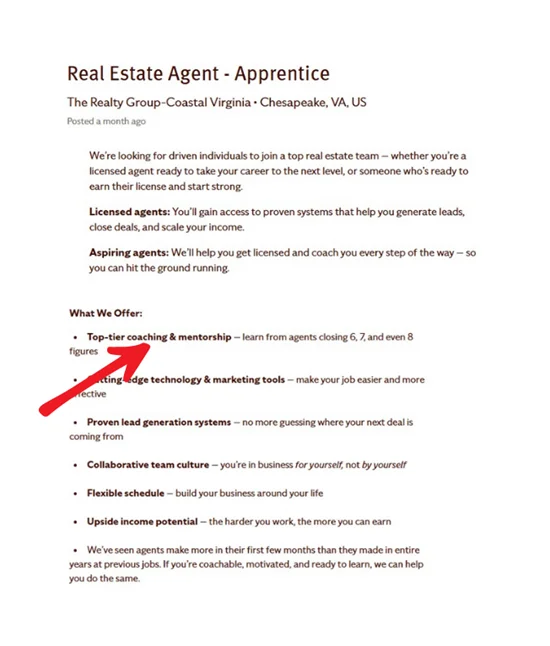
If you’re a licensed real estate agent, start getting involved in anything real estate related – open houses, networking events, community projects, or local property tours. The more visible you are, the closer you get to your professional network and local community.
Local real estate associations and meetups are also great places to connect. Attend workshops, training days, and community events where agents share their experiences. In-person interactions often lead to lasting professional relationships.
Social media networking can also be a huge help here. LinkedIn, Facebook real estate groups, and Reddit’s real estate communities are full of seasoned professionals and investors willing to share advice.
According to the 2024 NAR Realtor Technology Survey:
- 87% of agents use Facebook
- 62% use Instagram
- 48% use LinkedIn for business purposes.
So when you follow, engage, and start meaningful conversations, you’re tapping into a very active professional network.
Before you commit: Stay alert to red flags. Avoid mentors who promise guaranteed success, secret formulas, or pressure you into expensive programs without a clear plan.
The best mentors focus on helping you grow, not just selling you a system.
How to benefit the most from your real estate mentorship?
To get the most out of your real estate mentorship, you need to be courageous, curious, open to feedback, and respectful of your mentor’s time. Growth often happens outside your comfort zone, so don’t be afraid to take initiative.
➡️ If there’s someone whose success you truly admire, reach out. Ask if they’d be open to a short call or meeting to share their experience – over lunch you offer to pay for, or for a small fee. Many real estate pros are willing to mentor those who show genuine curiosity and drive.
➡️ Always come prepared for meetings. Bring updates, questions, and examples of what you’re working on. This shows respect for your mentor’s time and helps them give practical and personalized advice.
➡️ Ask questions. Ask lots of them. Don’t worry about sounding like a novice. Your mentor has likely faced the same challenges before and can offer insight that saves you from guessing.
➡️ Be open to feedback, even when it’s hard to hear. A great mentor won’t just tell you what’s working. They’ll point out what to improve. Treat their advice as an opportunity to grow.
➡️ Follow up on the advice you get. When your mentor sees you taking action, they’ll stay more invested in your progress. Stay in touch between meetings, update them on your results, and thank them for their time and input.
➡️ Even if your mentorship happens online, treat it like a professional relationship. Show initiative, stay consistent, and make every interaction count. This is how meaningful, long-term mentorships are built.
10 Questions to ask a real estate mentor
About 97% of mentees surveyed say their mentors are valuable (National Mentoring Day survey). But before you commit, make sure they’re really productive and the right fit for you. Ask these ten questions to understand their experience, values, and how they can help you grow faster.
1. How did you get your first client?
Every agent has a different story, and hearing theirs can help you understand what works in your market.
2. What do you wish you knew when you started?
This one often leads to honest advice and helps you avoid the same newbie mistakes.
3. How do you handle slow months?
The real estate business has ups and downs. Learning how experienced mentors stay consistent will help you plan ahead.
4. What’s the biggest mistake new agents make?
Mentors have seen it all. Their perspective can save you from common traps like poor time management or neglecting follow-ups.
5. What marketing channels work best for you?
This helps you learn which strategies actually generate real estate leads best and which are a waste of time or money.
6. How do you stay motivated?
Real estate jobs can be stressful. Understanding how professionals stay focused can help you build your own habits for resilience.
7. What’s one tool or system you can’t live without?
Successful agents rely on the right tech stack. This question might reveal useful website builders, software for CRM, or modern AI real estate tools.
8. How do you build strong client relationships?
Mentors can teach you how to communicate clearly, follow up effectively, and turn happy clients into referrals.
9. How do you balance personal life and work?
Real estate can easily take over your schedule. Learning from someone who’s found balance can help you set healthy boundaries.
10. What advice do you have for new real estate investors?
If you plan to invest in property yourself, this question can give you valuable insights on where to start, what to avoid, and what to prepare yourself for.
How to become a recognized real estate mentor?
To become a successful real estate mentor, start by taking on mentees and sharing what you’ve learned. You can create a course, write a book, or post valuable insights online – anything that helps others grow while building your visibility.
You don’t need decades in the business, but you should have tangible results: successful real estate deals, happy clients, or proven marketing strategies that back up your expertise.
Becoming a mentor is a natural next step once you’ve built confidence in your methods and earned respect in the field. It’s also a powerful way to expand your professional circle, strengthen your personal brand, and give back to the community that helped you grow. In the end, the benefits go both ways: mentees gain direction, and mentors gain recognition and purpose.
If you’re ready to take that next step, here are a few practical ways to build your reputation as a trusted real estate mentor.
1. Have a professional, branded website

Your website is often the first place people check to learn more about you. Make sure it highlights your experience, success stories, and contact options. A polished, easy-to-navigate site shows that you take your business (and your reputation) seriously.
With Placester, you can build a professional real estate website that reflects your brand and expertise, on your own, with no coding knowledge.
Add landing pages to share your story, feature testimonials from agents you’ve helped, or showcase resources and training for new professionals.
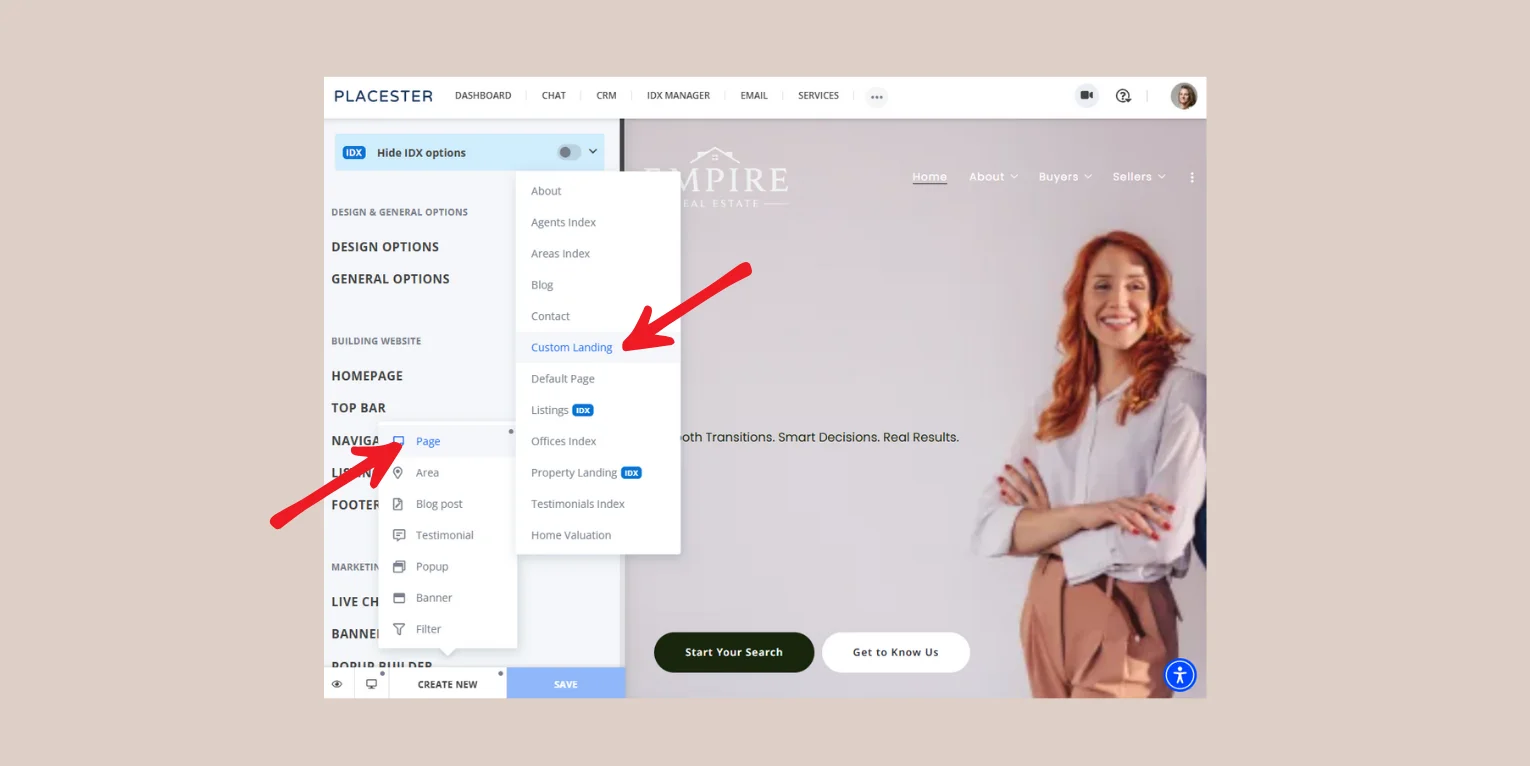
It’s an effective way to build trust and establish yourself as a mentor people want to learn from.
>> See our top picks: 24 Best Real Estate Website Examples
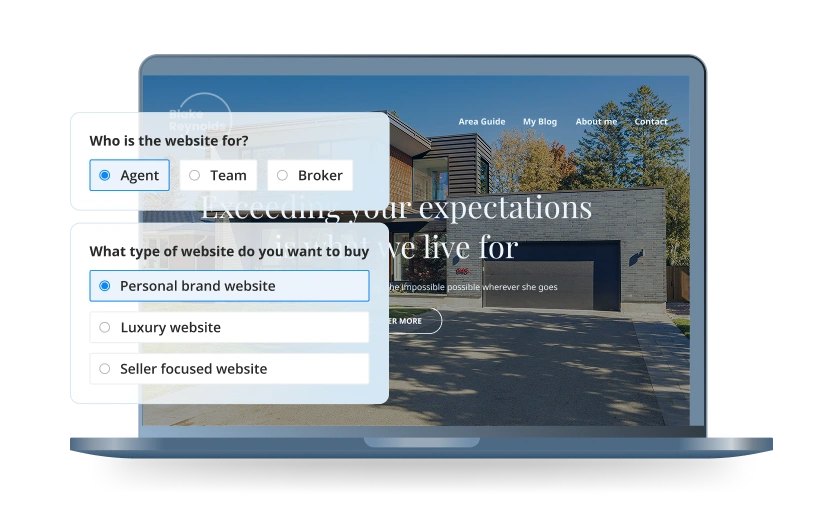
AI Websites for Real Estate
Get a custom, ready-to-edit website
in less than 4 minutes.
2. Build your online presence
Join professional directories, contribute to real estate forums, and maintain consistent branding across online platforms. Engage in conversations, share insights, and link back to your website when it adds value.
Use the same headshot, tagline, and tone of voice everywhere. Consistency makes you look professional and easy to recognize. The easier it is to find and identify you online, the more credible you become.
3. Share your story
People connect with authenticity. And they love to hear stories they can relate to. When they hear a story, they are more likely to remember it and to remember the person behind it.
In fact, research by Jennifer Aaker, a professor of marketing at Stanford Graduate School of Business, shows that:
22x
Stories are 22 times more memorable than bare facts.
You see, your own story is one of your strongest tools. Talk about how you got started, the challenges you faced, and what you’ve learned along the way. Sharing your journey helps others see you as relatable and trustworthy.
4. Create educational content
Every marketer will tell you that publishing educational content is one of the best ways to build authority and trust. Share your expertise in ways that educate and inspire others. Make your knowledge accessible while showing your professional credibility.
You can create:
- Blog posts
- Ebooks
- Infographics
- Short or long videos
- Webinars and live Q&A sessions
- Podcasts
- Online courses
- Checklists
And if you’ve got enough experience and stories to tell, consider writing a book or recording an audiobook. In 2025, both remain powerful ways to build long-term authority and stand out in your market.
5. Be active on social media
Social media platforms are where the next generation of real estate professionals spends much of their time, especially Millennials and Gen Z. They’re the people who are shaping how the industry connects, learns, and builds trust. And they do it online.
In fact, as per DataReportal information from 2025:
2h50
Millennials (users 25-34) spend 2 hours and 50 minutes a day on social media.
Facebook, Instagram, LinkedIn, and other social channels are used for entertainment as well as for professional networking and learning.
Polish your profiles, share your educational content, and join conversations regularly. Comment on discussions, offer quick tips, and celebrate others’ wins. Staying visible keeps you top of mind and shows that you’re approachable.
6. Support colleague agents
Offer guidance to newcomers in your office or network. For them, conversations over lunch or feedback sessions can make a big impact. If you’re part of a brokerage, suggest starting a simple mentorship program or pairing new real estate agents with experienced ones. It strengthens your team culture and helps you stand out as a leader.
And, word spreads quickly about mentors who genuinely help others.
7. Keep building authority through results
Share your achievements and lessons learned wherever you can. Highlight numbers on your website, landing pages, social media, and in lead magnets. Show stars, share how many listings you’ve closed or how you improved lead conversion.
Real results attract mentees who want practical, proven advice. In fact:
72%
About 72% of consumers say positive reviews and testimonials increase their trust in a business.
(Business Dasher, 2024 statistic)
Grow your real estate career with Placester
Choosing the right real estate mentorship path is an important decision for a starting agent, especially if you’re just getting started and want to build confidence faster.
The key takeaway is that a real estate mentor won’t hand you success. They’ll help you earn it faster and smarter. They’ll show you how to navigate the business, build better habits, and approach every deal with more confidence.
In real estate, your smartphone and your website are all you need to start building your presence. A professional real estate website shows you’re serious about your career. It gives you space to share your story, display listings, and highlight testimonials that prove your credibility.
That’s where Placester comes in. With ready-made real estate website templates and built-in marketing tools, and a new AI website builder, you can launch a beautiful, functional site in under an hour, even if you’re not tech-savvy.
AI Websites for Real Estate
Get a custom, ready-to-edit website
in less than 4 minutes.
FAQ
How do I find a mentor in real estate?
Ask within your brokerage first, since many experienced agents are open to mentoring newer colleagues at no cost. Beyond that, look at your local REIA (Real Estate Investors Association) chapter, active landlords or small development firms in your market, and online communities like BiggerPockets, LinkedIn groups, or Reddit’s real estate forums. Investor mentors are often easier to find through networking events and meetups than through formal paid programs.
What does a real estate mentor do?
A real estate mentor helps you handle situations a licensing course doesn’t cover: presenting your first listings, overcoming client objections, reading contracts, and negotiating with confidence. Beyond the technical side, they help you build daily habits, connect you to their professional network, and give you honest feedback that would otherwise take years to learn on your own. Many also introduce mentees to clients or referral partners, turning guidance into real career opportunities.
How much does a real estate mentor cost?
Costs vary widely by format. Brokerage mentorship is often free or built into your commission split, while structured coaching programs commonly run $500 to $3,500 per month depending on the coach and program tier, with elite or mastermind-level programs going higher (Jamil Academy, 2026). Private one-on-one mentors typically bill per session or as a package rather than a flat hourly rate, so ask any prospective mentor for their specific pricing structure before committing.
Is a real estate mentor worth it?
For most new agents, yes. Roughly half of new agents leave the business within two years (Realtor Magazine), and rookie-listed homes have sold for about 10% less, and taken longer to sell, than those handled by experienced agents, according to research from real estate finance professor Bennie D. Waller. A mentor who has already made those early mistakes can help you avoid repeating them, though free options like brokerage mentorship or communities such as BiggerPockets can deliver similar value without the cost of paid coaching.
How long does a real estate mentorship usually last?
Most structured programs run three to six months, though some, especially brokerage-based or apprenticeship mentorships, extend to a year or longer. Informal one-on-one mentorships often continue as long as both sides find it useful, sometimes evolving into an ongoing professional relationship well past the agent’s first year.
Published on