(800) 728 8391



Quick summary:
- AI search changed discovery. Buyers ask ChatGPT, Gemini, and Google AI Overviews before they open a results page, so content has to be written to be quoted.
- Video carries the listing. Short-form clips drive discovery, and 3D virtual tours qualify buyers before a showing.
- First-party data replaces tracking. Lead forms, chatbots, and CRM records are what make personalization possible now.
- Response time is a marketing metric. 67% of real estate businesses in CallRail’s 2026 survey said reply speed affects whether a customer picks them.
- Trust signals decide the rest. Reviews, testimonials, and visible local market expertise separate two agents marketing the same way.
If you’re wondering what the latest real estate marketing trends are, 2026 has plenty worth paying attention to. New tech, updated laws, and a changing real estate market keep shifting how we market property.
The numbers back this up. In the 2025 Profile of Home Buyers and Sellers from the National Association of Realtors, 88% of buyers used an agent to buy their home and 91% of sellers used one to sell, the highest share on record. This proves that agents still matter. What changed is where buyers and sellers look before they choose one.
Marketing spend is following that shift. In a CallRail survey of real estate businesses published in December 2025, 56% expected their budgets to grow in 2026, with SEO, paid social, and video at the top of the list.
In this article, we’ll look at the real estate market trends reshaping how homes get marketed. Here are 18 marketing ideas happening right now that your real estate marketing team needs to consider.
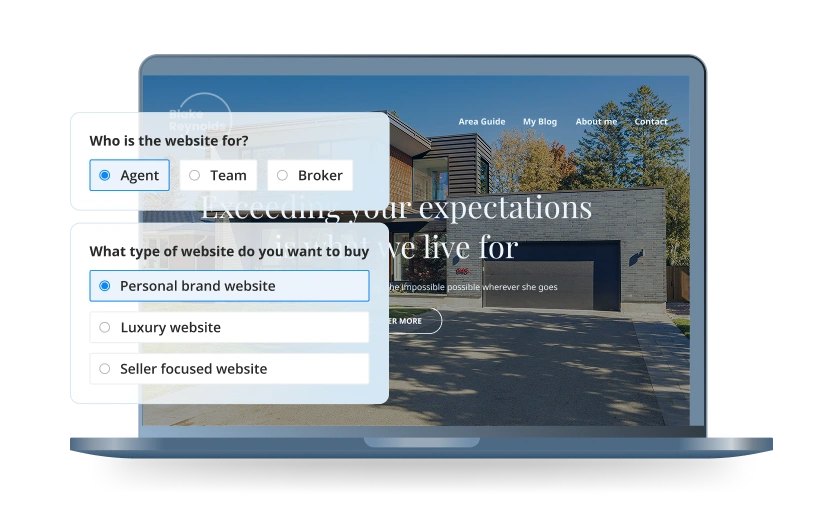
AI Websites for Real Estate
Get a custom, ready-to-edit website
in less than 4 minutes.
Real estate marketing trends for 2026 at a glance
Here’s the full list grouped by where it fits in your marketing strategy, so you can see which trends require a budget and which ones just need you to change your habit.
| Area | Trends | Effort | What it affects |
|---|---|---|---|
| Search and visibility | AEO, Google AI Overviews, technical health, GEO, E-E-A-T | Medium, ongoing | Organic real estate leads, discovery in AI tools |
| Data and automation | First-party data, AI chatbots, natural language search | Medium, one-time setup | Lead capture, personalization, response time |
| Visual content | Short-form video, drone photography, 3D virtual tours, AR staging | High, per listing | Time on listing, showing requests |
| Trust and proof | Accessibility, social signals, video testimonials | Low to medium | Conversion, referrals |
| Paid and offline | Programmatic ads, digital signage and DOOH, influencers, events | Budget-led | Reach, local market awareness |
Most real estate professionals don’t need to start with all 18 of them at once. Pick two from search, one from content, and one from trust, then measure what happens over a quarter.
1. Master answer engine optimization for AI search
Artificial intelligence search engines are now part of daily life, also on mobile. Buyers don’t always turn to Google first. Today, people can open ChatGPT, Gemini, Grok or similar tools and ask questions like:
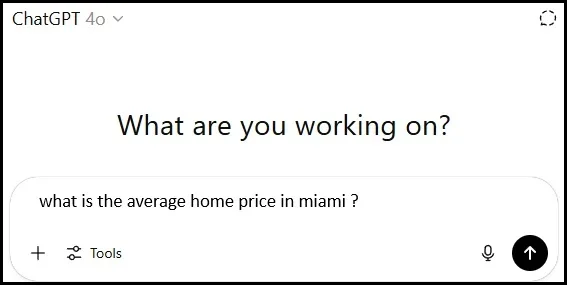
They get a clear, conversational answer instantly, without scrolling through multiple websites.
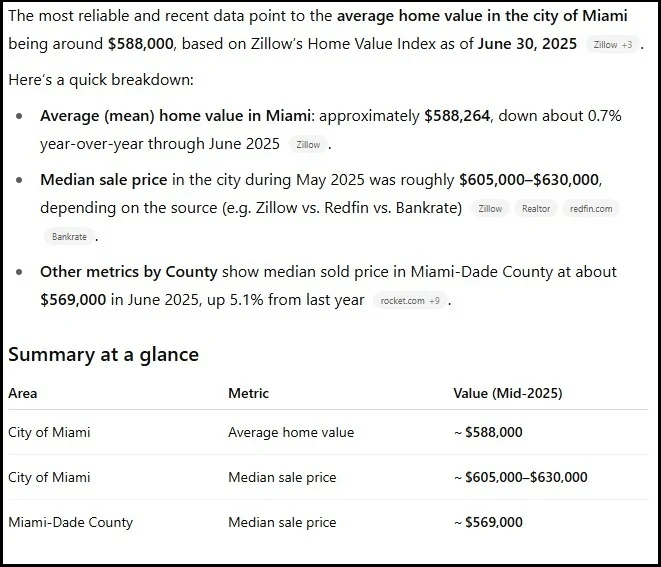
The same goes for queries like:
‘List me three of the best commercial agents in Chicago’
If you want to be one of those answers, your content needs to be ready.
Bobby Kerr, founder of agent visibility platform LOC8, put the problem plainly in Inman in September 2026:
‘Your experience, expertise, transaction history and sales volume still matter. The problem is that AI can’t give you credit for information it can’t find.’
A licensed real estate agent with twenty years of closings can be outranked by someone two years in who publishes more, gets reviewed more, and keeps their details consistent across every platform an AI tool reads.
You see, AI search engines aim to save time by providing direct, context‑aware responses.
In 2026, they combine information from trusted sources, summarize it, and deliver it in plain language. That means you must write the way your prospects speak. Avoid jargon or overly technical explanations. Straightforward, natural language works best.
Real estate professionals can use AI tools to their favor by studying the questions people ask on Google, Reddit, and Facebook groups. Pay attention to the words, phrases, and formats they use. Then ask ChatGPT to create content that mirrors those patterns and provides precise, useful answers.
When your real estate websiteis clear, trustworthy, and structured well, AI search engines are far more likely to feature your content and put you right at the top where prospects are looking.
>> Additional read: How to Write Real Estate Listing Descriptions? Guide + Tips
2. Optimize your real estate SEO for Google AI Overviews
SEO is far from being dead. Google still drives massive traffic, and staying visible there remains essential. What’s changed is how results are shown – AI Overviews now appear above traditional search results. These AI‑powered summaries pull together information from multiple sites and present it in a clear, easy‑to‑read format.
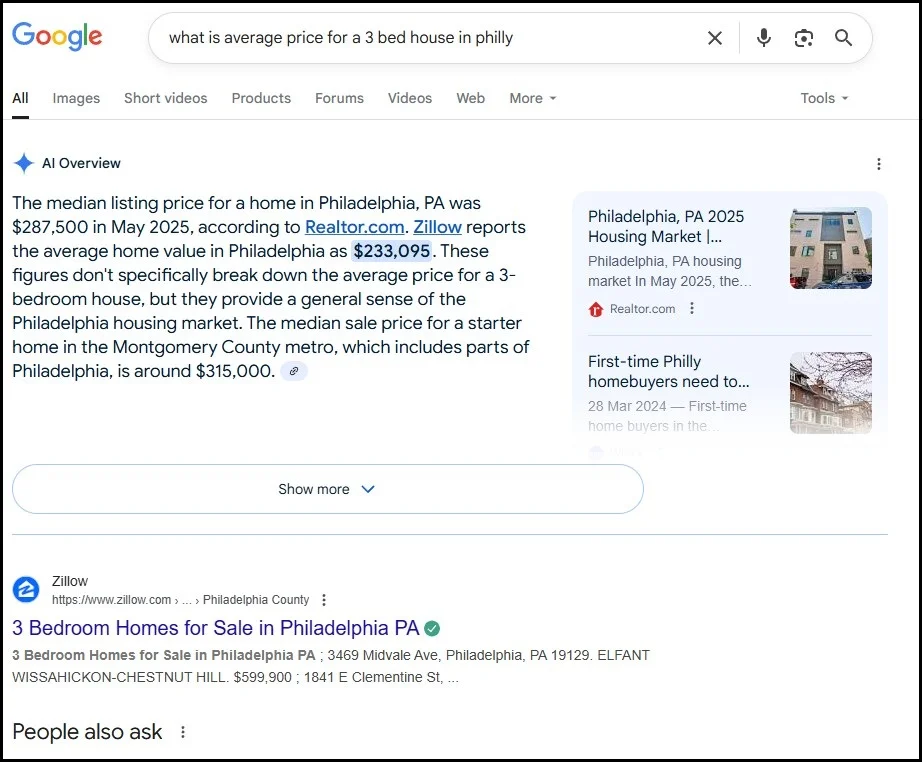
Instead of clicking through several links, users see answers instantly. That’s why they’re often called ‘zero‑click’ results.
To rank within AI Overviews, you need to:
- Write content in a Q&A format that matches real buyer questions.
- Add schema markup for key details like price, location, and features.
- Keep your content accurate, well‑sourced, and regularly updated.
Market reports and market updates are good candidates here. A page with current housing market data gives Google something worth summarizing, and it gives you a reason to refresh the URL every quarter.
The goal is simple: when someone asks, your answer should be the one Google highlights (along with the link prompting to your site!).
3. Prioritize technical health and UX on your real estate website
A well‑designed real estate website is one of your strongest marketing tools. In 2026, Google rewards sites that offer a smooth, user‑friendly experience. That means you can’t afford to ignore technical health.
Start with Core Web Vitals, including the speed, stability, and responsiveness of your site. Slow pages, shifting images, or unresponsive buttons make website visitors leave and look for a smoother experience elsewhere.
For real estate, presentation is everything. High‑resolution property photos must load quickly and display flawlessly on mobile. Interactive features like map searches or mortgage calculators should work seamlessly on all devices, without slowing the site down.
Don’t let your website get outdated. Regularly add and update online listings, fix broken links, and make sure neighborhood pages reflect current amenities, schools, and pricing trends. Even small issues can signal neglect, and Google (and your users!) will notice.
Run a technical check twice a year. Online real estate searches are unforgiving, and a site that loads slowly in a competitive market loses the visit before your listing ever appears.
4. Focus on GEO to win your local market
Generative Experience Optimization (GEO) takes local SEO a step further. Instead of only ranking for city‑wide searches, it helps you connect with people looking in specific neighborhoods, school districts, or even individual streets.
Your Google Business Profile is critical for this. If you haven’t looked at it in a while, update it with fresh photos of new listings and community highlights.
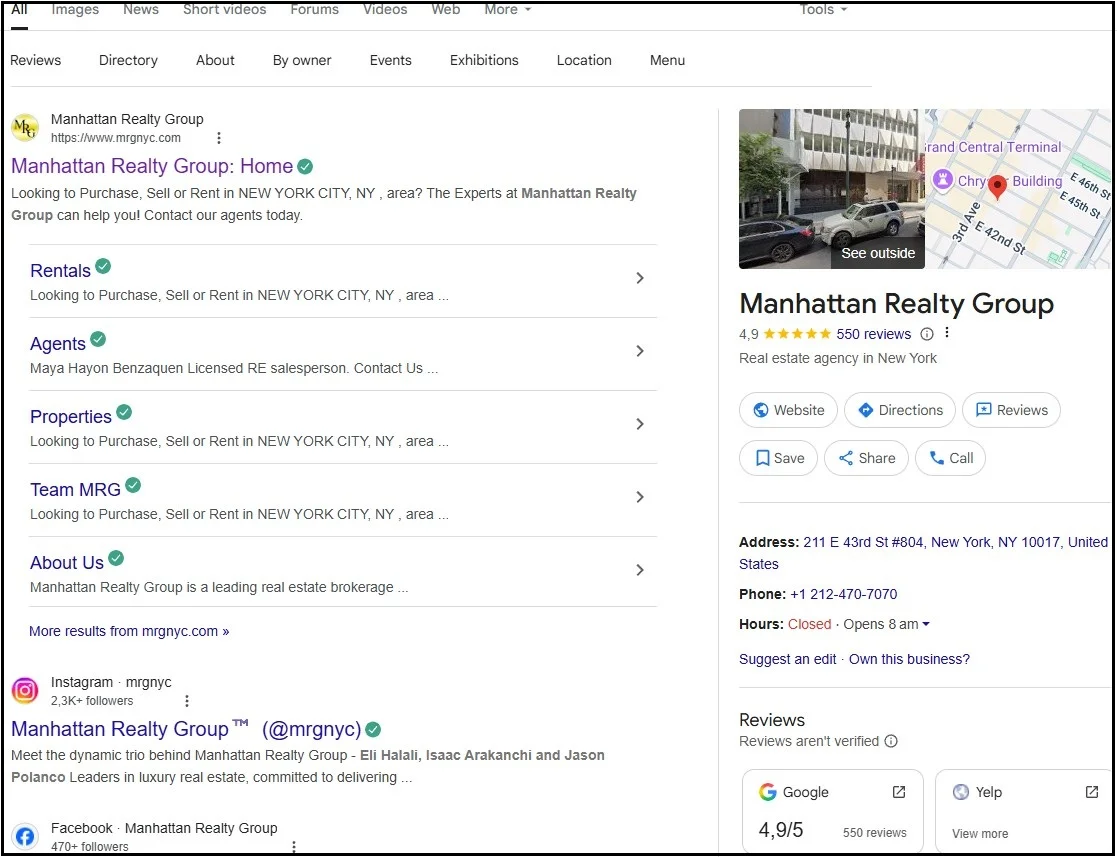
Update regularly about open houses, market changes, or local events. When a user leaves you an online review, respond quickly.
Ask happy clients to mention the neighborhood in their reviews. Those details act as strong local signals.
To reinforce your local authority, create hyper‑local content on your site. Write short guides about the neighborhoods you serve, including schools, parks, transit, and lifestyle perks.
You can also use the Q&A section to answer common buyer questions and clearly define your service areas.
Pair your content with high‑quality photos and maps, and use natural phrases like ‘best family neighborhoods in [City]’ or ‘homes near [Local Park].’
The more specific and community‑focused you are, the easier it becomes for the target audience to find you.
This also matters for referrals. When someone asks for agents in your area, the profiles with current photos, recent reviews, and local content are the ones that surface first.
5. Raise content quality with E‑E‑A‑T standards
Google now places heavy weight on E‑E‑A‑T: Experience, Expertise, Authoritativeness, and Trustworthiness. For real estate, that means your content needs to show both knowledge and credibility.
Share insights that prove you know the market. For example, instead of saying ‘This is a great area,’ back it up with local sales trends, average prices, or school ratings. Add your personal experience as a real estate agent in that neighborhood. It signals expertise.
If you’re operating as a team, introduce them. A dedicated ‘Meet Our Team’ page reassures prospects they’ll be working with real professionals. Include each agent’s specialties, experience, and local ties so potential buyers feel confident they’re in capable hands.
>> You may be interested in: Real Estate License Reciprocity & Portability in US
Example: Alpha Properties NYC
Here’s a sample of how a well‑structured team page looks:
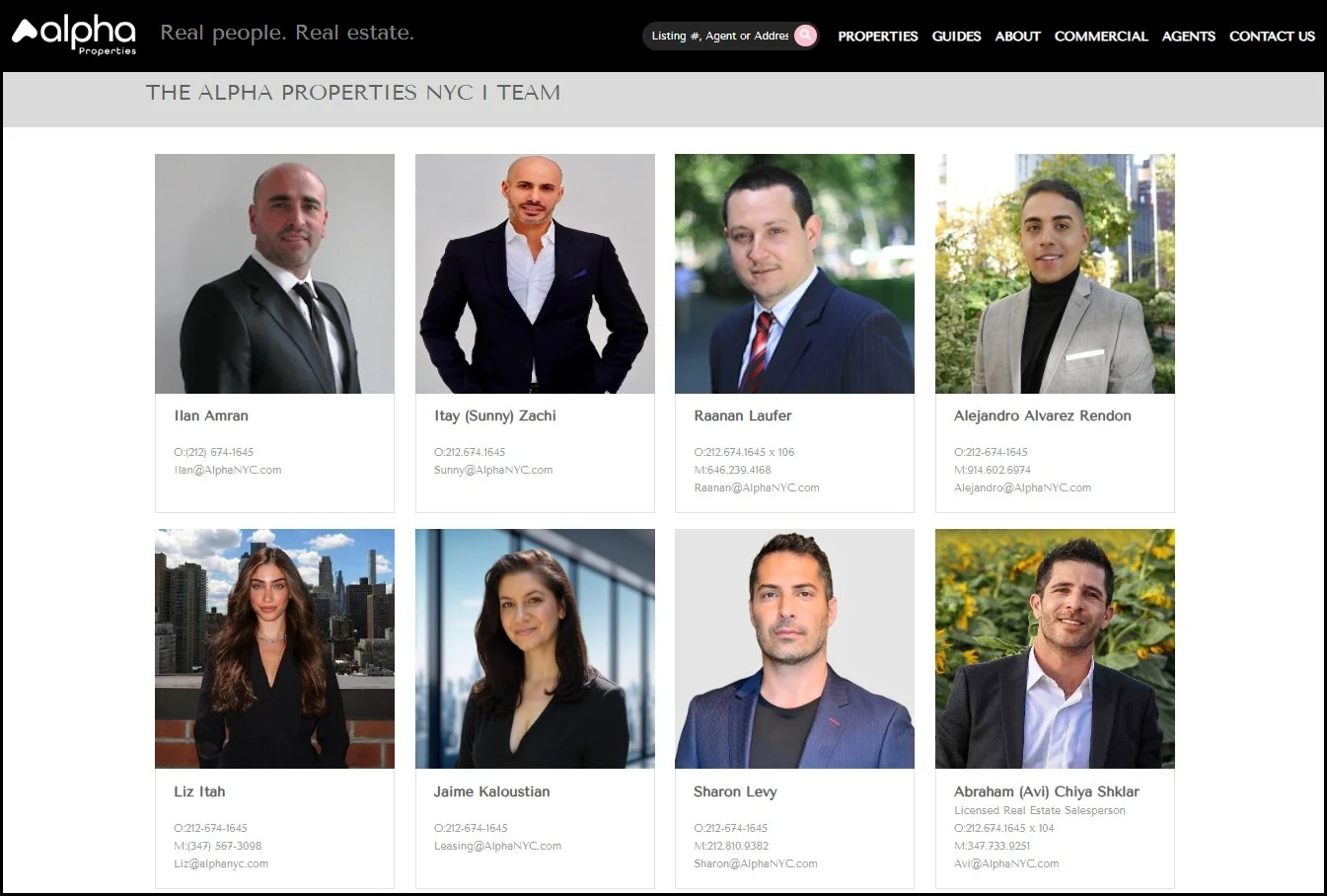
Show your work with data. Publishing local market updates, quarterly market reports, and observations on current market conditions does more for authoritativeness than a page of claims about being the best.
When website visitors click on an agent or realtor’s photo, they’re taken to a dedicated profile page highlighting that agent’s expertise and track record.
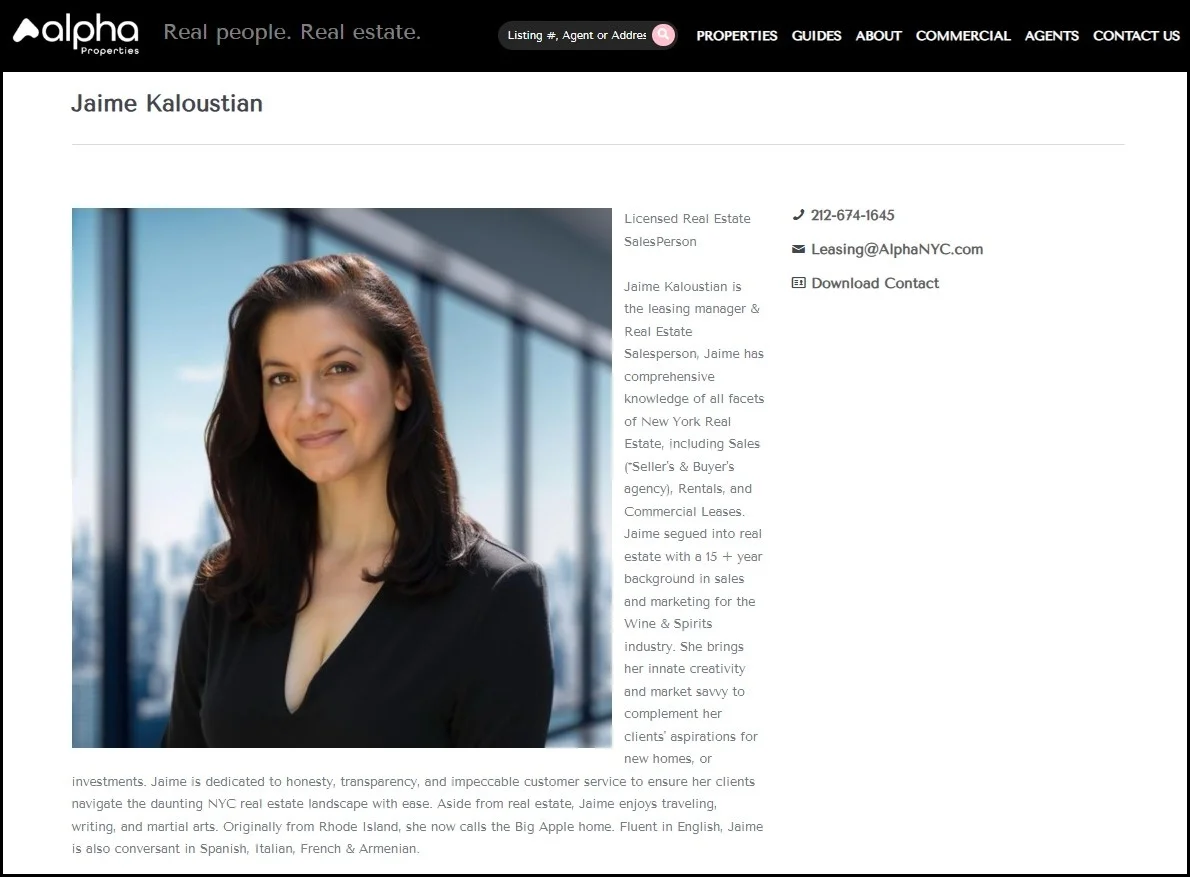
With Placester, creating agents pages is quick and easy and you don’t need coding skills to showcase each agent professionally.
If you have a real estate blog, use clear author bios on your posts so readers (and Google) know who’s behind the content.
Link to trusted sources like government sites or reputable real estate industry reports to strengthen authority.
Trust comes from transparency. Show your track record, display real client testimonials, and keep your information updated. In 2026, thin or generic content won’t cut it. Both Google and buyers want experts they can rely on.
6. Leverage first-party data and AI for email marketing personalization
The web is moving toward privacy‑first tracking, and real estate marketers can’t ignore it. While Google recently reversed its plan to fully block third‑party cookies in Chrome, the direction is clear. Most browsers, including Safari and Firefox, already restrict or block them. Chrome’s Incognito mode does too.
What’s the alternative?
The Customer Experience (CX) Trends Report released by Acquia in 2024 shows that:
93%
of marketers now say first-party data is more critical than ever for success.
First‑party data is the information clients share directly with you. This could be through landing pages, lead forms, newsletter sign‑ups, surveys, and property inquiries. Your real estate businesses need to focus on collecting them.
Then let AI‑powered CRMs do the heavy lifting and create hyper‑personalized email and DM campaigns. Smart features can suggest tailored follow‑ups, send personalized property alerts, and predict when someone might be ready to move.
Email marketing is most effective when personalized. Instead of generic updates, send listings based on saved searches or recent inquiries. Potential buyers and sellers expect content that feels relevant, not random. AI combined with first‑party data makes that possible.
Store all of it in one place. A CRM built for real estate turns scattered form fills into segments you can actually market to, which is what makes personalization possible in the first place.
7. Use AI chatbots for 24/7 support and faster lead response
AI chatbots aren’t the newest trend. But in 2026, they’ve become extremely important.
88%
of companies regularly use AI in at least one business function, and chatbots are one of the most effective ways to apply it on real estate websites.
The reason ties back to third‑party cookies fading. A virtual assistant is a direct way to collect valuable client information.
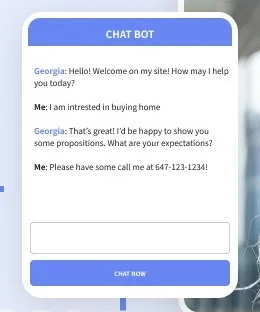
Many real estate websites still don’t utilize this feature.
Homebuyers don’t just browse between 9 and 5. Many search late at night or on weekends. And they expect quick answers. That’s where AI chatbots step in.
Speed is the part most real estate teams underestimate. As Jen Barkan, Online Sales Coach at Do You Convert, said in CallRail’s 2026 real estate marketing report:
‘Speed-to-lead is the biggest differentiator for lead management and conversion.’
A chatbot holds the lead’s attention until you can make it, but it doesn’t replace the call.
A well‑designed chatbot can capture a prospect’s name and email, log what properties they’re interested in, and even schedule a showing. Because the interaction feels instant and helpful, people are far more willing to share details.
A potential buyer browsing listings at midnight can get answers about square footage or school zones without waiting for office hours. With CRM integration, every interaction becomes a data point for future personalization.
8. Make short-form video marketing a weekly habit
Short‑form video is dominating social media feeds, and real estate is no exception.
73%
of consumers say they prefer short-form videos to learn about products or services.
Source: Late 2025 survey by Wyzowl
On social media networking platforms like YouTube, Instagram, TikTok, and even LinkedIn, these clips usually run 15 to 60 seconds and grab attention fast. It’s one of the leading real estate social media trends shaping 2026.
Viewers prefer quick, authentic clips. Show a one‑minute walk‑through of a new listing, highlight a neighborhood park, or share a simple ‘3 things to know before buying in Santa Fe.’
Also, adding captions is key since in 2026 people watch with the sound off.
Video marketing works across formats. Long-form walkthroughs on YouTube still pull search traffic months after posting, so it’s good to look at what the best real estate YouTube channels are doing before you plan your own.
Example: Michael Bucci
Real estate creator Michael Bucci (@real.estate.king on TikTok) posts quick property walk‑throughs and neighborhood highlights that grab thousands of views.
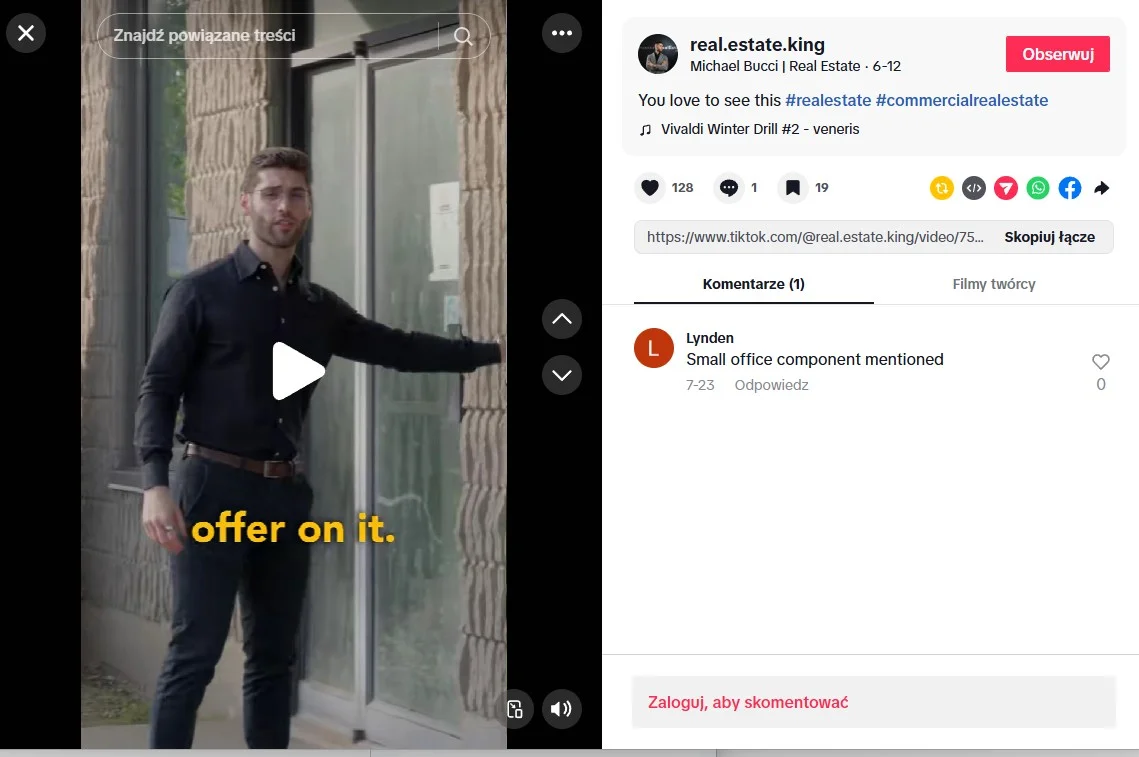
Michael is a great example that consistency matters more than perfection. Posting two to three short videos per week can keep you visible in customers’ feeds. Use relevant hashtags to increase reach, but focus on content that answers buyer questions or shows real value.
Don’t limit your creative content to social media marketing channels. Embed videos on your website or include them in email campaigns to increase engagement.
>> More on videos: 21 Best Real Estate Videos Every Agent Should Watch
9. Capture attention with drone photography

High‑quality drone photography makes listings stand out online. In a competitive real estate industry, a strong set of aerial images can mean more clicks, more showings and faster sales.
68%
Homes with aerial photos sell up to 68% faster than listings without them.
Source: NAR
Using drones in your real estate marketing strategy gives that unique perspective. For potential buyers, these shots provide valuable context, such as:
- Lot size and property layout.
- Proximity to parks, schools, and shopping areas.
- A full view of larger properties or undeveloped land that standard photos can’t capture.
Many professional photographers offer affordable drone packages. Just make sure they’re licensed, since drone usage comes with strict rules and regulations, including limits on flying in restricted airspace.
>> Also check: 12 Real Estate Agent Tax Deductions to Save More
10. Offer 3D virtual tours and AR staging
A 3D tour lets people ‘walk through’ a home at their own pace, zooming in on details that matter to them. Pair it with AR (augmented reality) staging, and buyers can visualize different furniture layouts or see how their own style might fit the space.
Adding virtual tours and AR staging to your digital marketing strategy makes your listings more interactive, engaging, and appealing, helping you stay competitive in 2026.
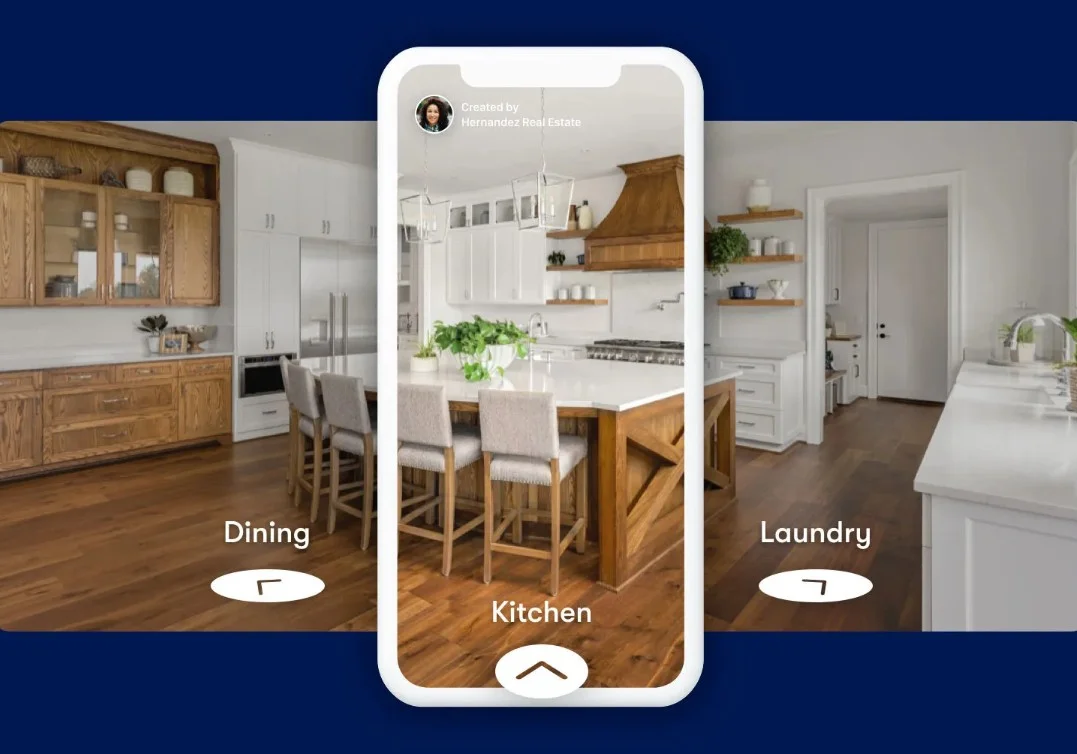
Commercial real estate marketing trends show a surge in using virtual tours to showcase offices, retail, or industrial properties.
For CRE marketing, a tour removes a flight. A tenant rep in another state can qualify a
space in ten minutes instead of building a trip around it, which is why commercial teams
adopted virtual tours faster than residential ones.
More importantly, this technology saves you tons of time, speeding up the decision-making process. It attracts quality leads, since those who book a showing already know they like what they’ve seen online.
Here’s how to get started: At a minimum, get a smartphone with a high‑resolution camera. This’ll be enough to take wide-angle photos and videos of the property.
With the right software, like Matterport, Zillow 3D Home, or EyeSpy360, you can create, edit, and share your virtual tours. Many platforms also let you add floor plans, clickable hotspots, and text descriptions.
11. Respond to calls for diversity and accessibility
In 2023, the World Wide Web Consortium released WCAG 2.2, the latest global standard for web accessibility. For real estate websites, that means making sure listings, photos, and videos are usable by everyone, including clients with visual, hearing, or cognitive impairments.
In the U.S., the Fair Housing Act also requires equal access to housing, which extends to how properties are marketed. As the U.S. Department of Housing and Urban Development notes:
‘The Fair Housing Act prohibits discrimination in housing. Equal access applies not only to properties themselves but also to how they are marketed.’
To meet these expectations, add captions to videos, use alt text for images, and choose fonts and colors that are easy to read. If you’re building your real estate website, installing accessibility widgets can also help.
Example: Placester
Placester is committed to providing accessible websites. You can install an accessibility widget on every plan, allowing visitors to adjust text size, contrast, and navigation. This ensures your real estate website is easier for everyone to use.
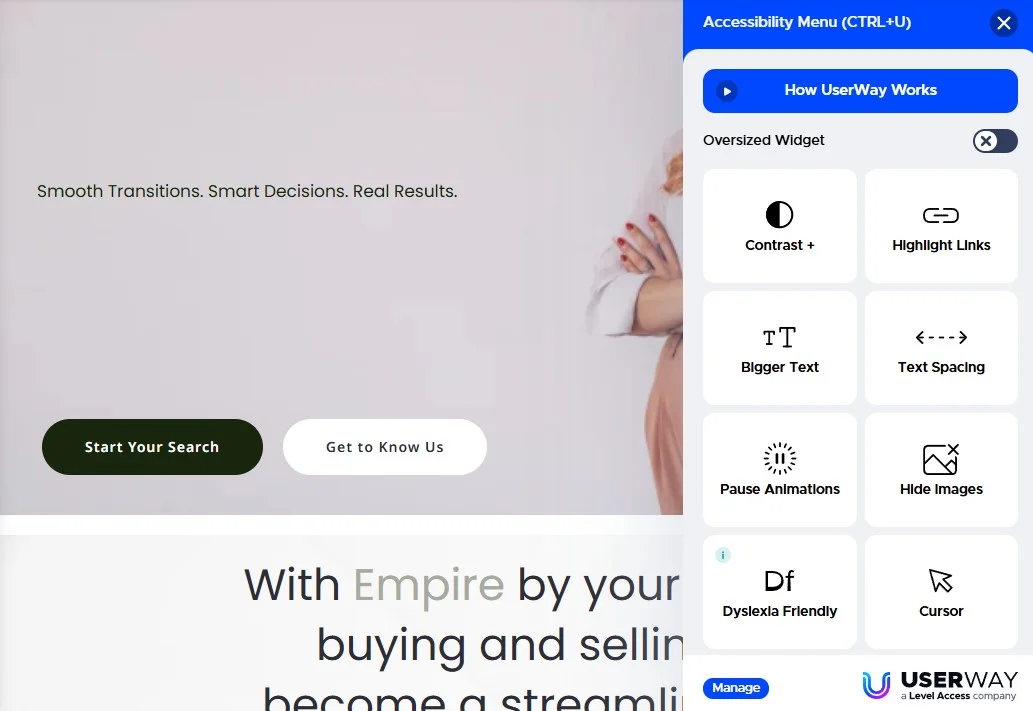
Diversity matters in real estate marketing. Show a range of buyers and families in your digital marketing campaigns, not just one version of what a ‘typical’ homeowner looks like.
For listings, highlight features like step‑free entry, wider hallways, or smart home tools that make a home easier to navigate. Details like these show that you care about serving every client and help you build real trust in your market.
12. Collect authentic signals through social media marketing
Your prospective clients want to see real people and real stories. Authentic content on social media platforms is still one of the strongest trust signals you can send in 2026. Trust is incredibly important, where choosing a real estate professional agent often comes down to credibility and personal connection.
Google also picks up signals from social activity, which can indirectly boost your visibility in search. Moreover, social media is now a search engine in its own right, with buyers using Instagram and YouTube to research neighborhoods and real estate agents.
User-generated content (UGC) builds trust far faster than a standard listing ad. Encourage past clients to share their moving‑day photos and repost community content that highlights local news or events.
Engagement is just as important as posting. Word-of-mouth marketing didn’t disappear, it just changed its format. A comment thread under a local post does the same work a coffee-shop recommendation used to do, and it stays searchable. You need to respond to comments, share client stories, and encourage followers to save or share your content.
Show up yourself, too. Share behind‑the‑scenes clips of staging a home, hosting a virtual open house, or answering common buyer questions. Algorithms favor authenticity and consistency. The more genuine your posts, the more visible and credible you become, thus more chance of attracting new leads who value honesty and expertise.
13. Adopt privacy-safe programmatic real estate advertising
As third‑party cookies disappear, online ads are changing fast. Programmatic advertising platforms, such as Google Display & Video 360, The Trade Desk, and Meta Ads Manager, now offer AI‑powered, privacy‑friendly ways to reach potential customers.
Instead of tracking people across the web without consent, these tools use first‑party data and contextual targeting. That means your digital ads can appear where they make the most sense, like on a local news site or a real estate app, without invading privacy.
For instance, your ad for a downtown condo could show up on a lifestyle blog about city dining, or a family‑home listing appears on a parenting site. The placement feels natural, so prospects are more likely to engage.
AI analyzes large amounts of data to spot buyer patterns and preferences. Machine learning-based tools can predict future behavior and help youreach hyper‑segmented audiences with highly relevant messages.
As an advertiser, you can deliver more accurate targeting to the right audience, meaning better engagement and stronger campaign performance.
Where real estate marketing spend is going in 2026
Before you rebuild your marketing stack, it helps to know how others are spending their budget. CallRail surveyed real estate businesses at the end of 2025 and found that 56% expected budgets to rise in 2026, while another 35% planned to hold steady.
The split across marketing channels was almost even. Around half planned to increase spend on SEO, paid social, video, and influencer marketing, which points to a broader marketing mix rather than one dominant channel.
AI showed up mostly in the measurement layer. 63% reported using it for lead scoring and 60% for attribution, so analytics is where most real estate teams are getting their first real return from AI.
Crucially, 67% said that how quickly a business replies affects whether a customer chooses it, and price came in just behind at 66%. Marketing performance in 2026 is not only a question of reach, but also what happens after someone fills in your form.
14. Test natural language search in your marketing strategy
Interactive maps are nothing new in real estate search. Buyers have long used them to compare locations. They’re a staple feature and still essential in 2026.
What’s new is the introduction of AI-powered filtering.
Zillow recently rolled out natural language search that lets buyers type in everyday phrases like:
‘pet-friendly condos near a park’
or:
‘homes within 30 minutes of downtown.’
Instead of making users rely on manual filters, the platform uses AI to understand intent and show the most relevant listings.
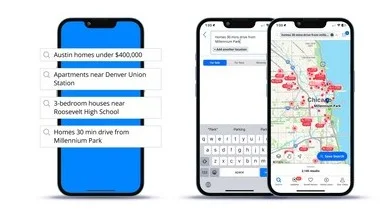
Smart filtering creates a more personalized experience and keeps buyers engaged longer. People want to quickly find homes that match lifestyle needs. AI gives them exactly that.
Try the same thinking on your own site. Even a simple saved-search setup that reflects how buyers actually describe a home helps you close deals faster, because the listings they see match what they asked for.
15. Share video testimonials on your digital channels
Here’s another one about video marketing. In 2026, video testimonials are far more powerful than written reviews. They feel authentic, personal, and harder to fake. Nothing builds trust like hearing directly from happy clients.
Ask recent clients and customers to record a short clip about their experience. Just a minute clip filmed on a phone works well.
To make the process easier, prepare a short script or share a few guiding questions, such as:
- What stood out most about working with us?
- How did we make the buying or selling process smoother?
- Would you recommend us to a friend? If so, why?
Encourage them to mention specific details, such as how quickly a home sold or how smooth the process felt.
Publish these videos on your website, as social media posts, and in email campaigns. With Placester, you can choose a template and create a dedicated testimonials page, so all your client stories live in one place.
16. Display property listings via digital signage and DOOH
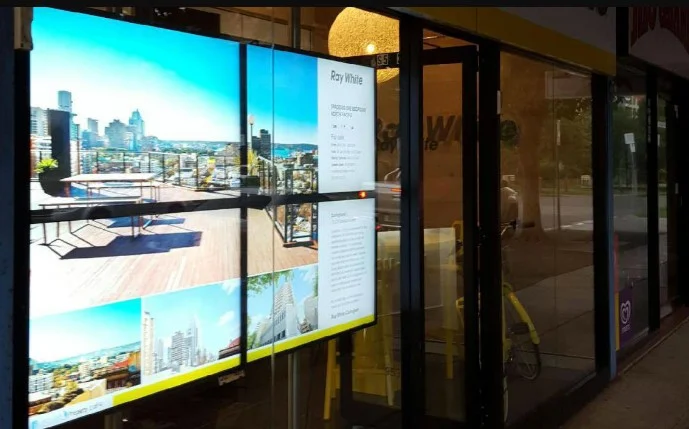
Bright, dynamic screens in your office windows or lobby can showcase listings, testimonials, and market stats in real time. Digital signage attracts far more attention than static print.
You can update your listings instantly, display multiple homes in rotation, and add QR codes that link to virtual tours.
DOOH technology takes this further by extending your reach outside your office. DOOH, which is short for Digital Out‑Of‑Home, refers to digital billboards, transit screens, etc., that you have seen throughout busy cities.
These placements are also part of programmatic advertising, meaning they can be updated instantly and targeted with precision. You can even tailor them by time of day, foot traffic, or weather conditions.
Unlike traditional billboards, digital displays provide real metrics like customer interactions, reach, and website traffic. With this technology, you can track impact and optimize campaigns instantly.
Screens are also a good place for market data. Rotating a short slide with local housing trends alongside your listings gives passersby a reason to stop, even when nothing in the window fits what they’re looking for.
17. Partner with influencers for wider reach
Partnering with local influencers like interior designers, lifestyle bloggers, or community organizers can amplify your property listings to highly engaged audiences.
Within real estate services in 2026, Facebook remains the platform most professionals use daily. But Instagram and TikTok are catching up fast, especially with the younger segment of the target audience. Pick the platform your audience already uses rather than the one with the best numbers overall. If your market skews younger TikTok marketing for real estate agents is something you should test before you spend anywhere else.
On platforms where followers trust recommendations, even a casual home tour or a neighborhood Q&A video can generate additional interest.
If you, or one of your agents, has the personality, don’t overlook the opportunity to build a strong social media presence and become an influencer yourself. Authenticity and consistency build credibility, and over time, you become the trusted local expert that buyers and sellers look to.
18. Get more home sales from socializing and events
Socializing is a selling point. In 2026, you can make it a marketing feature to attract long‑term tenants in high‑end neighborhoods and luxury apartments.
Brooklyn Crossing, a luxury 51‑story apartment building in New York City, puts this into practice with its ‘Neighborly Events’ program. Residents receive reimbursement for hosting social gatherings (up to $500 per event!) provided they share photos afterward.
As the 2024 NMHC / Grace Hill report put it:
‘Nearly one‑third of renters say community lifestyle and events are a key reason they choose to stay in an apartment.’
That number is up from 27% in 2022, showing how powerful real‑world connections have become in real estate marketing.
Today’s open houses are also smarter. Real estate professionals use lead‑capture apps and QR codes at events, letting attendees quickly register, join your email list, or request follow‑up tours. Real estate’s Open Home Pro app is an example.
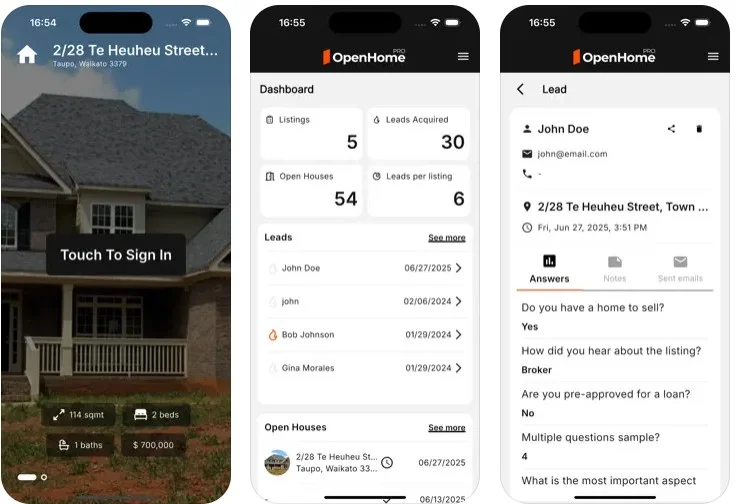
Using real estate apps, like the Open Home Pro, is another way of catching valuable first-party data. The quality leads go straight to your CRM, which lets you segment prospects, personalize outreach, and keep your real estate business top‑of‑mind long after the event.
What emerging trends will shape the future of real estate marketing?
In 2026, one big shift will be the rise of immersive tech. With headsets like Apple Vision Pro becoming more mainstream, expect virtual property showings to feel even more realistic, with life‑size walk‑throughs from the living room couch.
AI-powered tools will also take a bigger role across real estate marketing. You can expect:
- Smarter programmatic ads
- Social media tools that auto‑generate content ideas
- AI design platforms that produce professional‑quality listing graphics and videos in minutes
These are among the emerging digital trends in real estate marketing that will make campaigns faster, cheaper, and more consistent.
Finally, voice search is expected to grow. More people will ask their devices for ‘homes for sale in Boston under $500,000.’ Preparing your content for voice‑friendly queries now will set you apart later.
Taken together, these are the trends shaping real estate in 2026 and beyond. Convenience, personalization, and immersion are the three forces behind almost all of them, and they point in the same direction for 2026 and the years after it.
Update Your Website Effortlessly with AI
Add content, images and videos, redesign pages
and create new ones just by chatting with AI.

How to build a real estate marketing plan for 2026
Here is how you can turn the trends above into a four-step plan for your marketing:
- Finally, measure monthly. Track leads by source, response time, and cost per lead. That’s enough to tell whether your marketing initiatives are working, and it’s what lets you grow your business in 2026 without guessing which effort paid for itself.
- Start with an audit. List the marketing channels you used last year and what result each one produced. Most real estate marketers find two or three that carry the results and several that only take effort.
- Then, pick your gaps. If you have no presence in AI search, choose trend 1 and 2 first. If your listings convert poorly, start with video and virtual tours instead.
- Set a budget split. A workable marketing mix for a small team is roughly half on search and website, a quarter on video and creative, and a quarter on paid and events. Adjust it once you have three months of data.
Key takeaways
Following the latest real estate marketing trends is essential. Otherwise, you risk putting up billboards on an abandoned highway–lots of effort, little return.
Today, real estate companies need to stay visible where prospective buyers actually are. Potential customers expect smarter, faster, and more authentic experiences. Mixing digital innovation with human touches keeps your strategy balanced and effective.
When looking at future trends, more intelligent and immersive technology will only make this space more dynamic. Start adapting these effective real estate marketing ideas now to reap the benefits soon.
Placester gives real estate professionals the tools to stay ahead without the hassle. With our no‑code real estate website builder, you can create a beautiful, fast site in minutes. Add in lead generation features and easy‑to‑use marketing tools, and you’ll gain a competitive edge in 2026.
FAQ
What are the biggest real estate marketing trends for 2026?
The four with the widest impact are answer engine optimization for AI search, short-form
video, first-party data collection, and immersive listing formats like 3D virtual tours. Everything else on this list supports one of those four.
Does SEO still work for real estate in 2026?
Yes. Google still sends the largest share of organic traffic to real estate websites. What changed is that a growing number of searches end in an AI summary rather than a click, so the goal is being the source that summary cites.
What’s the difference between SEO and AEO in real estate marketing?
SEO aims to rank your page in a list of results. AEO, or answer engine optimization, aims to make your content the answer an AI tool gives directly. In practice they overlap, but AEO puts more weight on clear question-and-answer formatting, schema markup, and consistent details across every platform.
How much should a real estate agent spend on marketing?
A common benchmark is 10% of commission income, though newer agents often spend more while they build a pipeline. CallRail’s 2025 survey found 56% of real estate businesses expected their marketing spend to increase in 2026.
Which social media platform is best for real estate in 2026?
Facebook is still the platform most real estate professionals use daily, while Instagram and TikTok reach younger buyers faster. Rather than choosing one, pick the platform your local market actually uses and post consistently there.
How do commercial real estate marketing trends differ from residential?
Commercial real estate marketing leans harder on virtual tours, data rooms, and LinkedIn, because the buyer is often remote and the decision involves several people. Residential marketing puts more weight on visual content and local community signals.
Is video marketing worth it for a small real estate business?
Yes, and it doesn’t need a budget. A phone, natural light, and captions are enough for listing walkthroughs and neighborhood clips. Consistency matters more than production quality.
Published on