(800) 728 8391


Quick summary:
- Off-market properties give you early access to homes before they go public.
- These opportunities help you learn cash offers, creative terms and other skills that make you a stronger real estate agent.
- Your website helps private sellers reach out quietly.
The truth in real estate is that the sellers need your help selling their property, while you need opportunities that help you grow. At some point, you may want more than a standard path of chasing listings.
Getting curious about investing, building passive income, working with cash buyers, or learning creative deal structures is a natural next step. Off-market opportunities open the door to all of that.
As Aaron Novello, a real estate coach, said on his podcast (Sep 4, 2025):
“By doing both models, it actually causes everything to increase.”
His point is simple: when you combine traditional agency work with off-market opportunities, both sides of your business benefit.
Most online guides about how to find off market properties focus on real estate investors, not agents. Yet agents and brokers are in the perfect position to discover these deals, understand them, and use them to build both a strong business and a future portfolio.
We’ve gathered the insights used by top-performing agents and investors to break down what off-market properties are, why they matter, and where to find them. You’ll see how these opportunities help you earn more, learn more, and bring more value to your clients. Plus, you’ll learn a few smart ways to use your website to bring in private seller leads and position yourself as a modern, resourceful agent.
Interested to know more? Let’s get into it.
What is off-market property?
An off-market property is a home that isn’t listed on the MLS. This is the simplest off-market real estate property definition, and it’s a term you’ll hear often in real estate. These homes might still be for sale, but the owners choose to keep the process private.
People also refer to them as:
- Quiet listings
- Pocket listings
- Off-MLS listings
- Private listings
- Exclusive properties
- Whisper listings
- Shadow inventory
All of these terms point to the same idea: the sale happens through private conversations, personal networks or direct outreach instead of traditional marketing.
Not all off-market properties are officially for sale. Some owners become open to selling only after a conversation with an agent. Others might be waiting for paperwork to clear or a situation to resolve, like probate or title work. In many cases, you hear about the property before the owner makes a firm decision.
Why do some sellers prefer off-market deals?
Many property owners choose the off-market route because it offers benefits they can’t get from a public sale.
According to Zillow’s analysis (2025) of 10 million US home sales:
2%
Only about 2% were recorded as pocket listings and an additional 0.11% were off-MLS transactions.
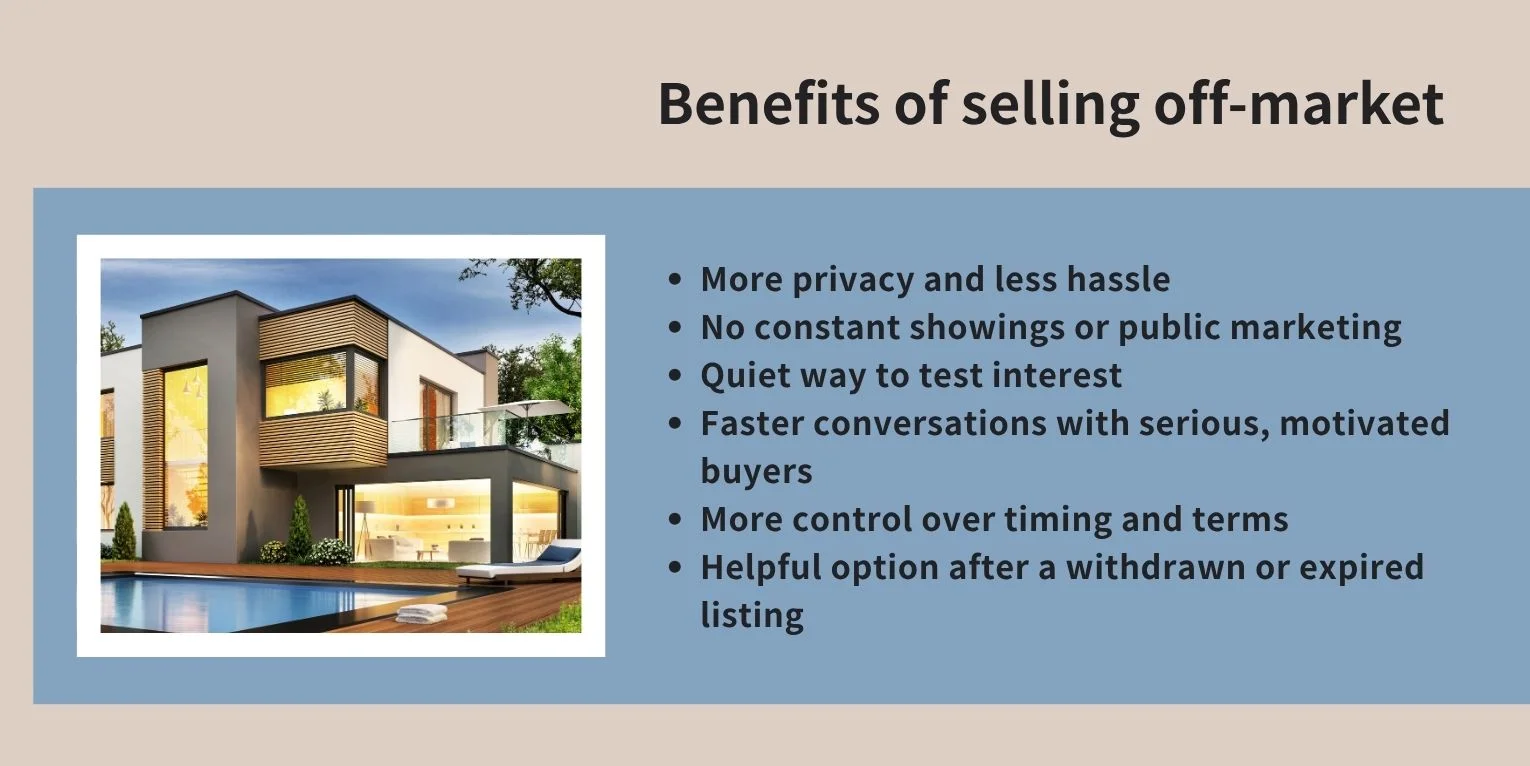
The biggest reason for choosing to keep the home sale low is privacy. Some owners don’t want photos online, showings every day, or attention from neighbors, especially in luxury properties or situations involving public figures. Keeping things off the Multiple Listing Service gives them more control over the process.
Others want to test the market quietly. They’re curious about interest but aren’t ready for the full listing process yet. Off-market conversations let them explore options before committing to photos, staging, or repairs. Moreover, some homes that were listed before didn’t sell and were withdrawn.
Developers and builders also use off-market conversations. They work on projects long before anything hits the MLS and often share upcoming inventory with trusted agents. This gives sellers and builders smoother negotiations and fewer complications.
Owners in high-demand areas may also choose off-market deals. They know they can find a client quickly without going public, especially if they want stronger control over timing or terms. Off-market real estate sales let them work with serious buyers, including cash investors or clients who value speed and flexibility.
And in many cases, life transitions play a role. Job relocations, divorce, inheritance, or unfinished renovations can make a private sale feel safer or more practical. The property owner wants to move forward without a public entry.
Why should you look for off-market properties?
Private properties help you grow faster as an agent because you’re not limited to whatever appears on the Multiple Listing Service. You get early access to investment opportunities that other agents may never see, which helps you build stronger relationships.
These deals also help you learn real estate from more angles. You start to understand cash offers, creative terms, deal structures and the kind of conversations investors have every day. This knowledge makes you better at advising buyers and sellers and more confident in negotiations.
Quite often, real estate agents also want to build something beyond commission income. Off-market transactions can help you explore investing, create a path toward passive income or start building a small portfolio over time. When you understand how these opportunities work, you can grow both sides of your real estate career.
For new agents, this is a particularly effective way to build their brand. You’re not just chasing the same listings as everyone else. You’re finding opportunities, creating value, and showing clients that you can think outside the box. You’re becoming a resource, especially for the uncommon cases that often come with stronger commissions and more flexible terms.
Pros & cons of buying off market properties
Off-market sales come with clear advantages, but they also require a bit more work. Knowing both sides helps you move with confidence and guide your clients through the process.
Pros
- Less competition from other agents or buyers
- More room for negotiation and creative terms
- Direct conversations with the home owner
- Faster decisions and fewer delays
- Early access to potential investment properties before they go public
- Opportunities to learn cash offers and investing strategies
- A chance to help with uncommon cases that often bring higher commissions
Cons
- More research needed on condition and history
- Longer search process
- Some properties may have unresolved legal or title issues
- A deal can fall apart due to hidden problems, leaving you with little or no commission
- More responsibility on the agent to verify details and protect the client
Most cons are manageable with good communication and a careful process. The more you handle these situations, the stronger your skills become in evaluating properties, spotting risks, and guiding your clients with confidence.
Where to find off-market properties for sale? 18 Best sources
Experienced agents look for off-MLS homes for sale through relationships, local businesses, real estate investor groups, dedicated online platforms and more. When you know where to look, the process becomes easier, more predictable, and far less risky.
Here are the best sources.
1. Your personal network
Your sphere is the fastest place to start. Friends, family, neighbors, and past contacts often hear about upcoming moves long before anything shows up online.
In fact:
65%
of home sellers find their agent through referrals or previous contacts.
Source: The Close, 2024
A quick check-in or casual conversation from time to time can turn into your first quiet seller lead.
Staying visible on social media can help you too. The more people remember what you do, the more likely you are to get a message saying, “My friend is thinking about selling, can I connect you two?”
>> Also read: 5 Best Real Estate Social Networks That Help You Grow
2. Door knocking in targeted areas
Some owners won’t reach out first, but they will talk when someone shows genuine interest. A quick introduction, a simple market update and a friendly tone can open doors.
According to HW’s article from 2025:
2-3%
The conversion rate for door-to-door sales is usually around 2% to 3%,
which means out of 100 doors you knock on, 2 to 3 may convert.
Not everyone will open the door or feel comfortable talking, and that’s completely normal. This is why it helps to leave a flyer with your website domain, social media profiles, and contact details.
A flyer gives them a low-pressure way to reach out when they’re ready, and your website helps build trust before the conversation continues.
3. Direct mail marketing campaigns
Where you can’t be in person, direct mail helps you stay visible. A branded postcard or letter can reach property owners who prefer privacy or don’t want face-to-face conversations. It also gives them time to think without any pressure.
Direct mail also works for owners who aren’t officially selling yet but are open to talking. Many are curious about their home’s market value or want guidance before taking the next step.
Adding your website or landing page link to every piece is important because most people will look you up before they respond.
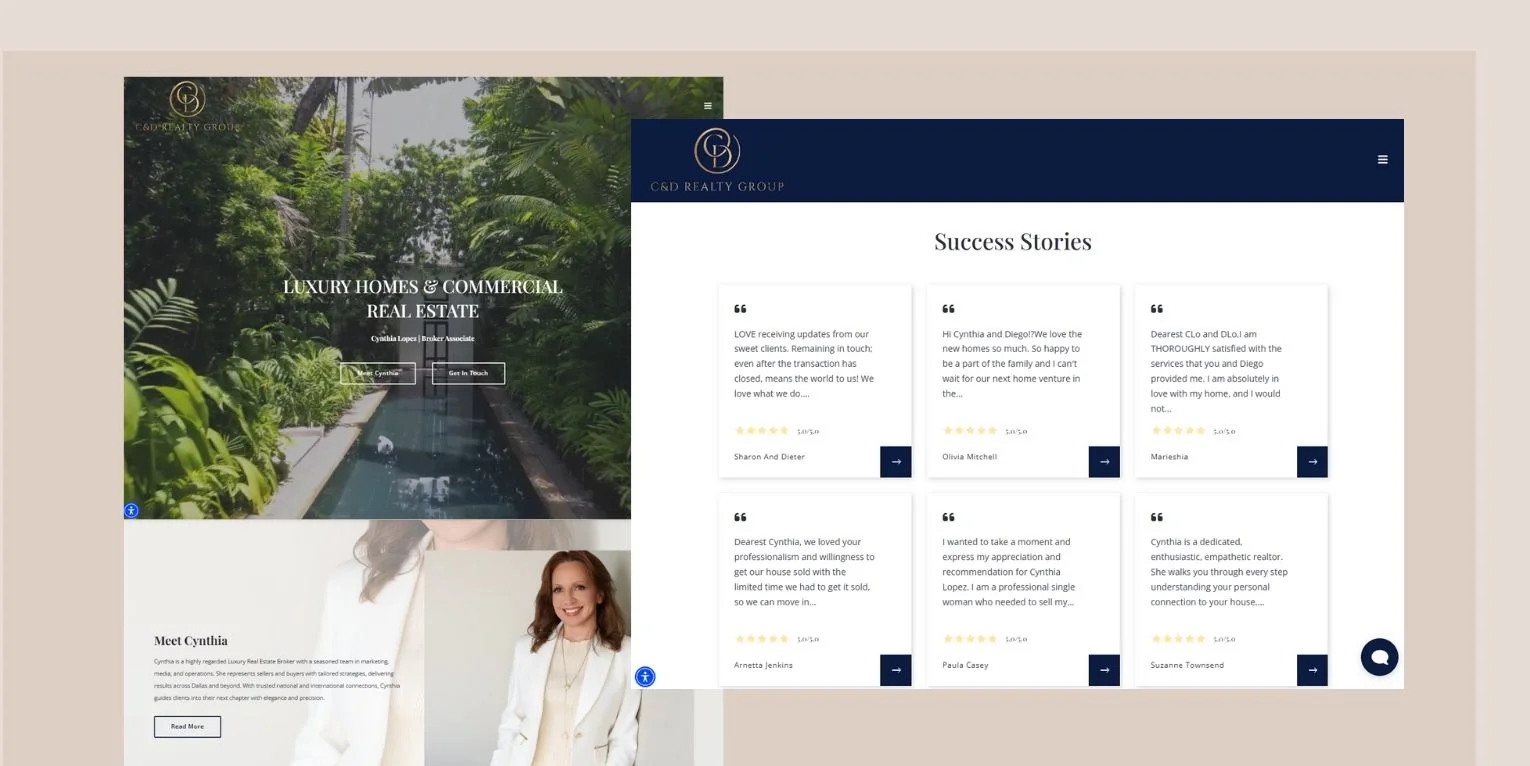
A website with written or video testimonials, past client feedback and a few short success stories helps build trust and makes it easier for them to reach out when the timing feels right.
>> Also read: 12 Real Estate Agent Tax Deductions to Save More
4. “What’s my home worth” tools on your website
We’ve already mentioned home-value tools, but they deserve more attention. Many home owners start here because it feels safe. They can check their home’s value without calling anyone or committing to a market entry.

A home valuation form on your website, like one you can add to your Placester site, can turn web visitors into new deals in your portfolio. Homeowners enter their address, get a quick estimate, and you follow up with a personal market analysis. It’s low pressure for them and a strong lead source for you.
5. Your broker network
Top-performing agents in your brokerage can be a major source of knowledge and opportunities. They often hear about sellers who want to test the waters privately. Stay active in internal chats, meetings, and office groups. Ask if anyone has off-market leads they’re willing to share.
6. High-volume estate agents in your market
Your brokerage network is a great starting point, but it helps to look beyond your office as well. High-volume real estate professionals in your local area often hear about private opportunities before anyone else. They get steady inbound calls, referrals, and quiet seller inquiries from people who want advice without going public.
Agents often talk about this on Reddit, too. One agent put it simply:
“It’s all about networking, who you know, and forming relationships. Connect with an investor-friendly Realtor, tell them your buy box, and let them do the rest.”
When you build relationships with agents who work with real estate investors and handle a high volume of deals, you’ll often hear about opportunities long before they become public.
7. Local builders and developers
Builders work on properties long before anything reaches the market. They know months in advance which homes will be available, what stage the project is in, and whether they plan to list publicly or sell quietly. Some prefer private conversations or pre-listing arrangements because it keeps the process simple and avoids constant inquiries.
Connecting with builders can give you access to homes most agents won’t hear about until construction is nearly finished. Start by visiting new developments, touring model homes and introducing yourself to site agents. Ask how you can support their sales process, and stay consistent with your follow-ups.
Developers also appreciate realtors who bring qualified buyers, understand timelines, and communicate clearly. When they trust you, they’ll often give you early insight into upcoming phases, price ranges, or units that may never hit the open market. These relationships can lead to repeat opportunities and long-term partnerships that benefit your business as it grows.
8. Networking with attorneys
This is a sensitive area, and it requires a thoughtful approach. Attorneys often work with clients who are dealing with major life changes:
- Divorce
- Probate
- Estate settlements
- Disputes
Many of their clients want privacy and prefer to explore their options quietly before committing to a public advertisement. These situations often involve legal or financial complexity, so a bit of due diligence on your end helps you understand the context before moving forward. When handled well, these cases can lead to off-market opportunities where your professionalism really matters.
Start by building relationships. Go to the same local business events, join community groups, join their tennis club or gym, or simply reach out to offer lunch.
Attorneys are busy people, so you either need to become someone they genuinely know or go straight to the point in a respectful way. They remember agents who make their job easier, and over time, they may refer clients who need guidance before going public with a sale.
9. Expired, withdrawn and temporarily off-market property listings
There could be many reasons why a property stayed on the market too long or why a seller decided to take it down. The timing may have been off, the price too high, or the situation too stressful, sometimes tied to mortgage issues the owner prefers to keep private.
But there’s often real potential in these homes, especially when the owner still wants to move.
Whenever you see a listing that didn’t work out, reach out with a helpful mindset. Ask if the owner still plans to move and what didn’t work last time. Share a quick update on current market conditions, and see if they’re open to non-standard selling options they may not know about.
You can also hire a real estate assistant or ISA to make cold calls and start these conversations for you. If you can offer a better strategy or even a simple plan that reduces the pressure, you’ll often be the first agent they consider when they’re ready to relist privately.
10. FSBO and FRBO owners
For Sale by Owner (FSBO) and For Rent by Owner (FRBO) listings often come from people who want control or privacy. Many realize they need professional support once the process becomes stressful. You can often find these owners on platforms like ForSaleByOwner.com and ByOwner.com, where they look for visibility without hiring an agent.
According to Zillow’s data from 2025:
21%
of FSBO sellers eventually hire an agent, which shows many doors are still very much open.
When an owner sees you as the resource who can reduce their workload and increase their chances of a successful sale, you shift from option to partner.
11. Community groups and local boards
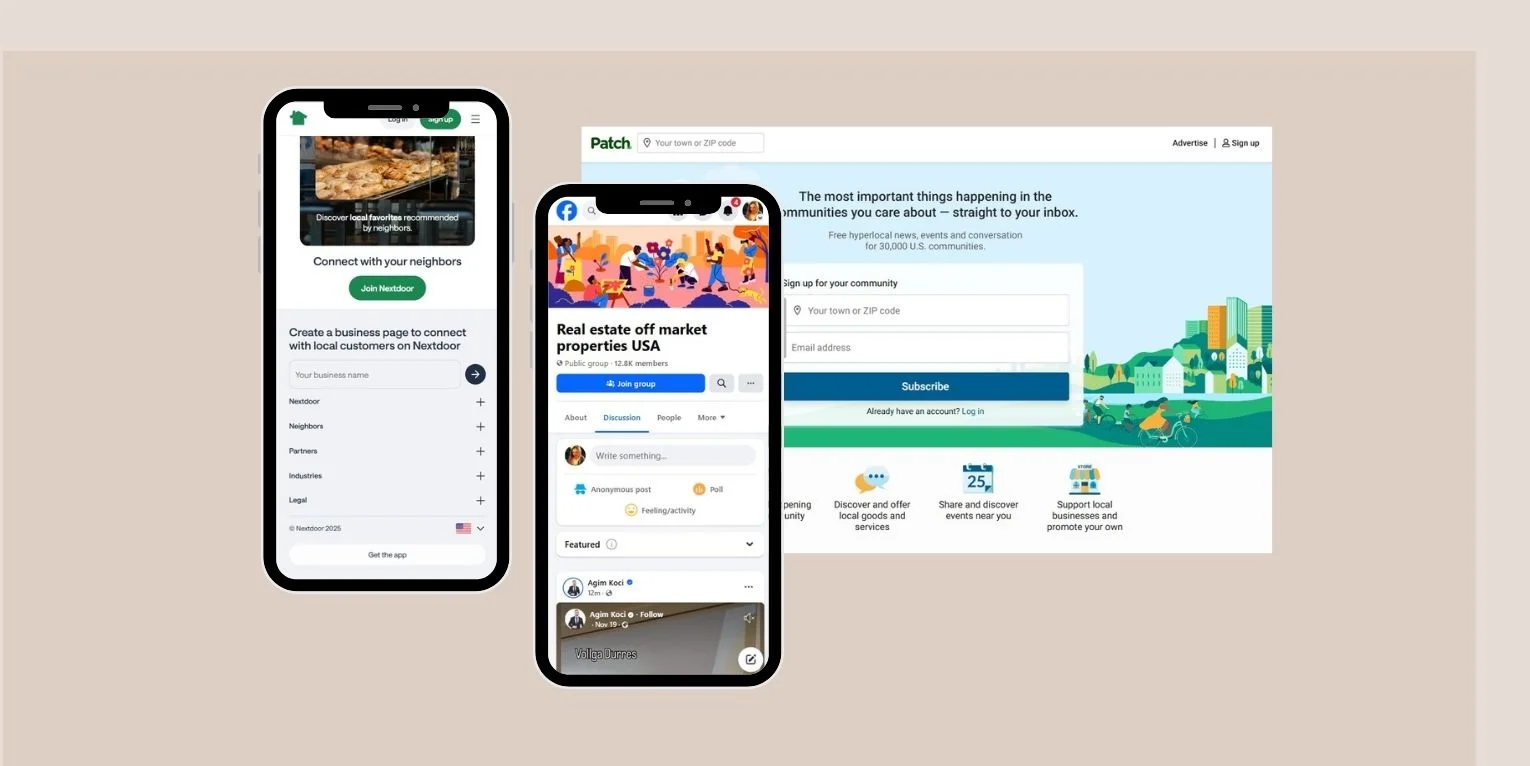
Community groups are a great place to spot early activity. Homeowners often look for advice before they talk to an agent, and many of those conversations happen inside local online spaces. Platforms like Nextdoor, Facebook Groups, Patch, Alignable, and neighborhood forums are all worth joining.
It also helps to keep an eye on investor-focused communities. Investors often share off-market opportunities, stalled projects, or real estate leads from their own network. Here are a few platforms worth checking:
Investor Platforms Worth Checking
| Platform | What It’s Good For |
|---|---|
| BiggerPockets | The largest online real estate investing community. Great for networking, deal discussions, and local forums. |
| Connected Investors | Active marketplace where investors share off-market purchase options and funding deals. |
| DealMachine Community | Popular among investors who “drive for dollars” and exchange off-market insights. |
| Local REIA Groups | Real-world investor meetups with active online boards. Great for local deal flow. |
| Wholesaling Facebook Groups | Members post off-market real estate deals daily. Easy way to see local activity. |
12. Local contractors and builders
Local contractors, builders and businesses often hear about upcoming moves long before anything becomes public. Cleaners, painters, movers, handymen, roofers, and general contractors sometimes know which homes are being prepared for sale or which owners are considering major changes.
Many contractors appreciate having a reliable real estate agent they can refer to when a homeowner asks for advice.
These relationships also help you catch early signs of off-market activity. When a contractor mentions a client who “might sell soon” or a homeowner who wants to avoid a public sale, you get a chance to step in before the property hits the market.
13. Local property managers
Local property managers are another strong source of off-market listings. They work directly with landlords and often know when a rental property is becoming too much to manage, needs major repairs, or is turning into a distressed property the owner no longer wants to handle. They also hear about upcoming vacancies that the owner might prefer to sell rather than re-rent.
14. Public records and government filings
Public records can show early signs that a property may come up for sale. Probate notices, foreclosure filings, tax delinquencies, and code violations often point to situations where a homeowner might be open to a quiet conversation. Some of these cases later turn into REOs, which lenders may handle privately before putting them back on the market. In other situations, the filings lead to a real estate auction, which can hint at potential options before they become public.
These properties aren’t always listed and many decision-makers prefer simple, direct options when the situation feels overwhelming.
15. Real estate wholesalers, investors and deal marketplaces
Many pocket deals circulate among investors long before they reach the public market. Real estate wholesalers, flippers, and buy-and-hold investors often share leads within their own networks, and those conversations can give you access to opportunities most agents never see.
How to find off-market properties?
Join local REIA groups, attend investor meetups and stay active in investor-focused online communities.
These professional relationships also help you learn creative deal structures and cash offer strategies. You also gain insight into the investor mindset, which strengthens your skills as an agent.
16. High-demand neighborhoods and low-inventory areas
Some of the best opportunities to buy off-market homes come from areas where demand is high and inventory is low. In these neighborhoods, owners often know they can sell without ever going public. Many prefer a quiet approach because it saves time and avoids the stress of heavy showing activity.
Spend time studying local trends, tracking price changes, and watching which streets get consistent buyer interest. When you know which areas move fast, you can reach out to homeowners with a simple update or a private conversation about current demand. Some owners will consider selling earlier than planned if the timing feels right.
17. Past clients and homeowners who almost sold
Past clients and customers who previously listed are two of the warmest sources of potential off-market deals.
Past customers already know your work, so a few simple touchpoints each year can bring them back when they’re ready to move. An email nurturing sequence is an easy way to stay top of mind.
Send short updates, market insights and quick check-ins their way once in a while. Real estate marketing automation can handle most of this for you, so your follow-ups stay consistent even when you’re busy.
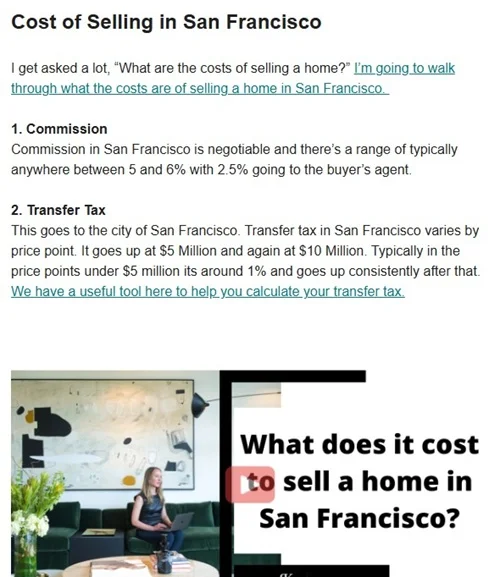
Householders who have almost sold are often overlooked but incredibly valuable. They showed interest once but got off-market due to … something they had to deal with. The chances are that things have settled now, and they may be ready to revisit the idea of selling.
Follow up with a call, email or professional marketing materials, and you’ll be the first agent to know.
18. Your Placester website
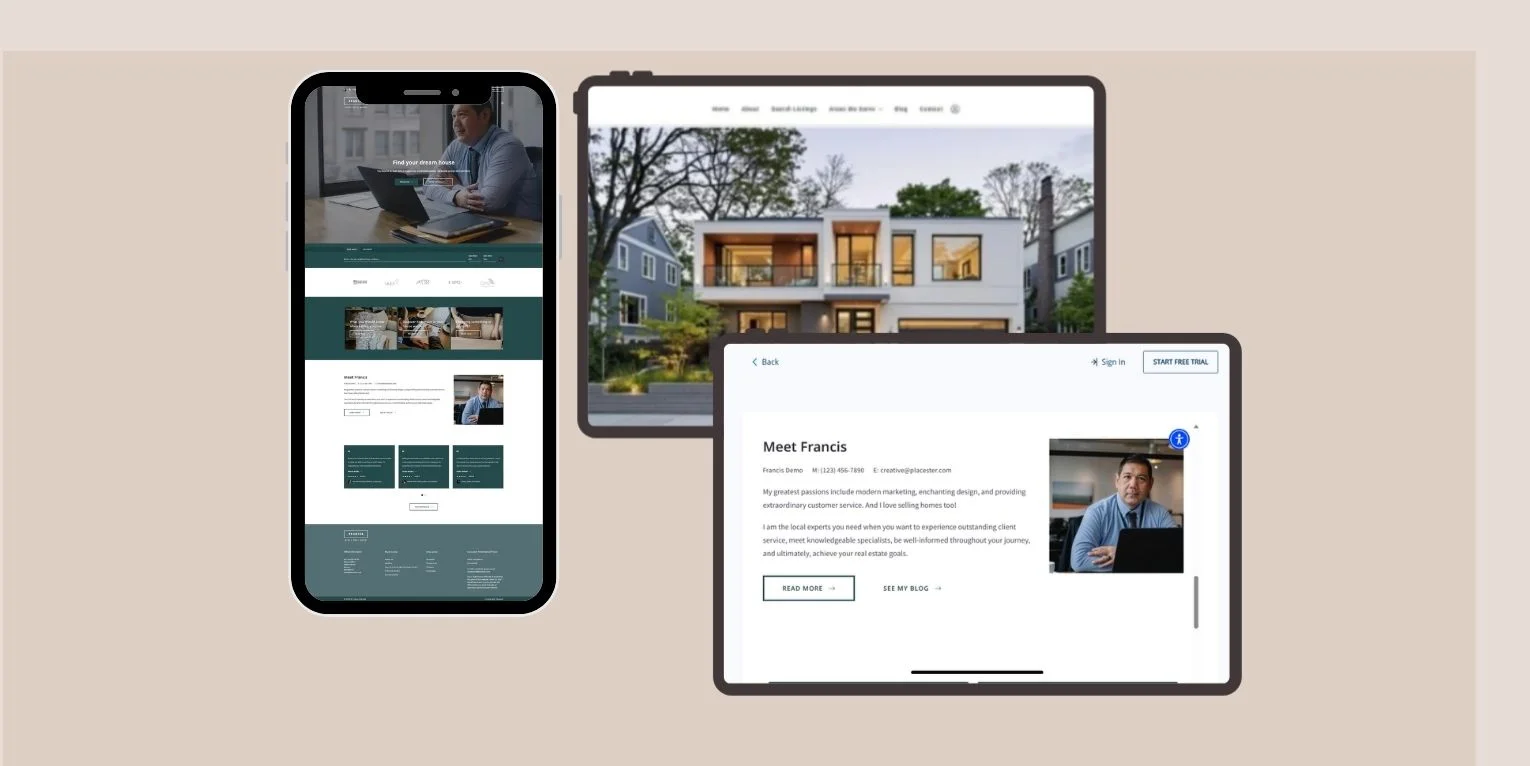
A strong real estate website supports every strategy above. A clean, modern design for real estate professionals and a mobile-friendly layout help householders trust you the moment they land on your page.
80%
of real estate website traffic now happens on mobile devices.
Source: REsimpli’s survey, 2025
When your site is also optimized for search, prospects can find you online when they start looking for quiet valuation or guidance.
Lead-capture tools make it easy for people to share their details without pressure, and your site becomes the place they check before reaching out.
Your branded site also gives you a professional space to showcase testimonials, past results, and clear next steps. When someone wants to learn more before making a decision, your Placester website does the first layer of trust-building for you.
Final thoughts on ways to find off-market properties
Finding sellers of off-market properties starts with the right mindset. You need curiosity, patience, and the confidence to explore opportunities that don’t appear on the MLS. Most quiet deals happen because an agent was paying attention, asked the right questions or showed up at the right moment.
If part of you is drawn to investing, building passive income, or growing a small portfolio, off-market opportunities can help you move in that direction. You’ll learn how cash offers work, how investors evaluate real estate deals, and how creative terms come together.
Off-market leads also let you stand out. New skills will make you a stronger agent in any market.
Your website plays an important role in this process. A strong site brings warm leads your way and gives private sellers a comfortable place to reach out before making anything official.
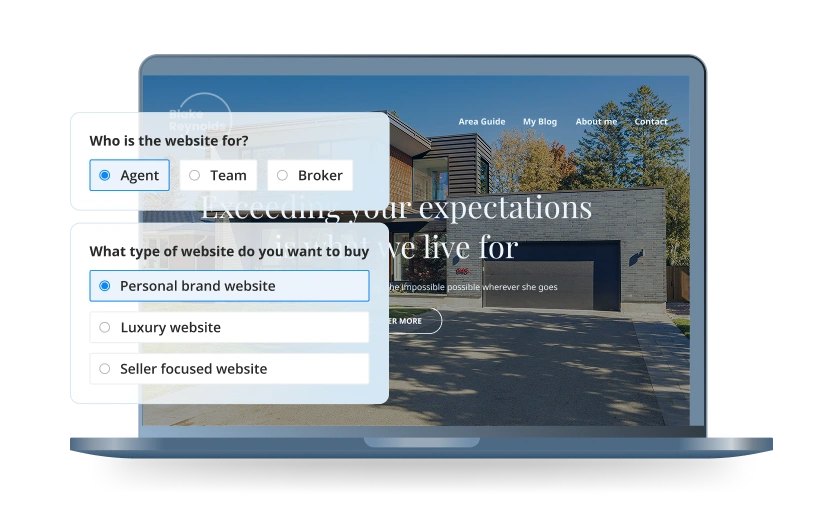
Placester’s AI website builder makes this easy by helping you launch a clean, modern, and mobile-friendly site in minutes. Yes, in minutes. So you’re ready when those quiet opportunities appear.
AI Websites for Real Estate
Get a custom, ready-to-edit website
in less than 4 minutes.
FAQ
Are off-market deals better than MLS listings?
Off-market sales can lead to a better deal for agents and buyers because there’s often less competition and more room to negotiate stronger terms. Buyers may secure a lower price, and agents can close deals faster with fewer hurdles. Off-market deals are also better in terms of privacy. Sellers avoid heavy traffic, and investors access opportunities before the public.
The MLS is still stronger when the goal is to attract top-dollar offers.
How to find off-market properties for free?
Some of the best ways to find off-market properties for free are using your network, community groups, public records, and local relationships. Door knocking, social media engagement, and checking expired or withdrawn adverts also work without any cost. Consistency matters more than tools.
How to find off-market commercial properties?
You can find off-market commercial properties by contacting local investors, commercial brokers, developers, and business owners directly. Public records, networking events, and commercial property managers are strong sources as well. Many commercial deals start with private conversations long before they reach the market.
Can you find off-market properties on Zillow?
You won’t find off-market real estate properties listed on Zillow. But you can spot clues through foreclosures, “Make Me Move” postings, and withdrawn listings. These indicators can point to owners who may be open to a private conversation.
Published on
(Last updated on
)