(800) 728 8391


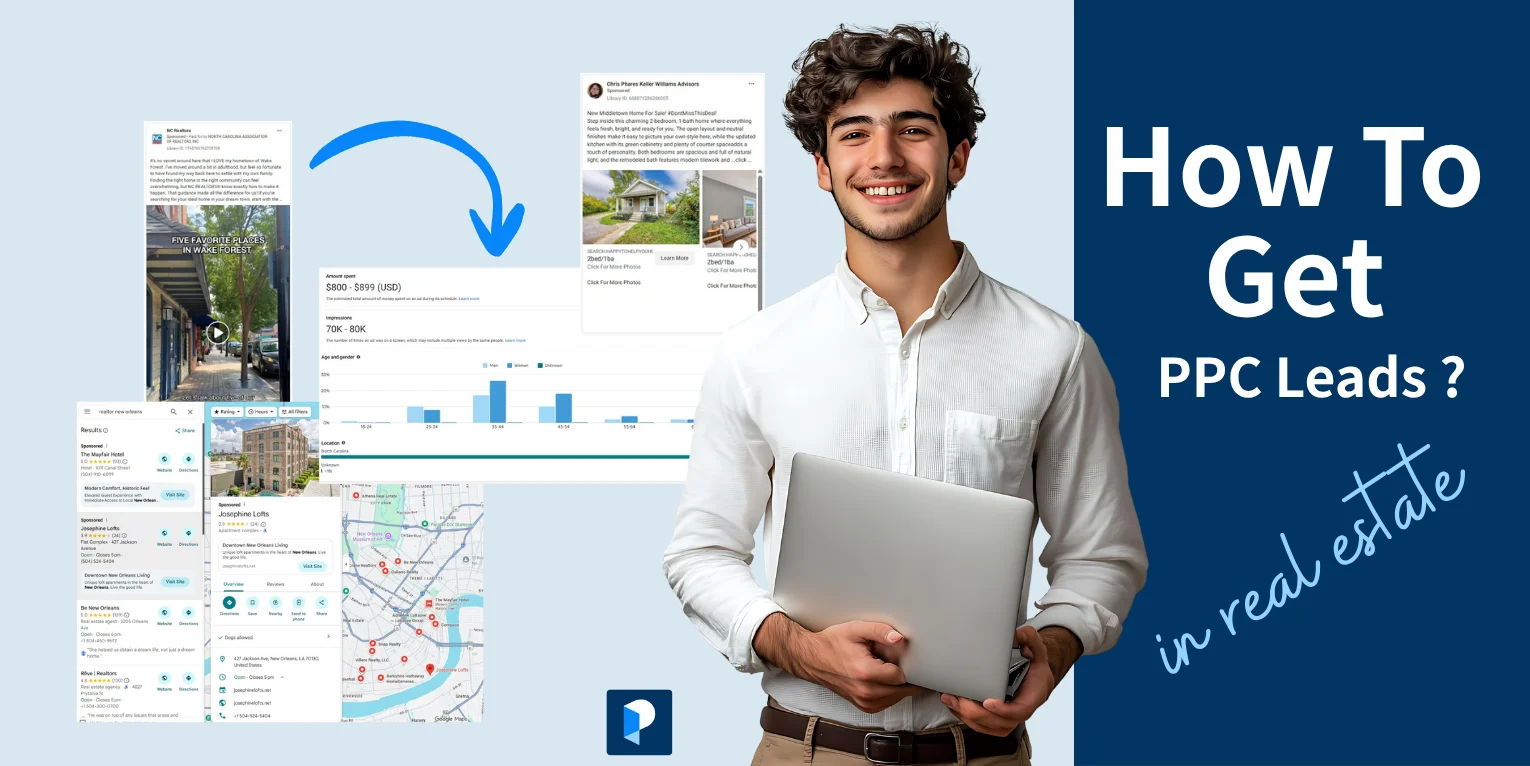
If you’re reading this, you’re probably thinking about running a PPC real estate campaign for your website. It’s a great decision – provided you have a branded website, the time to manage campaigns and a strong workflow in place to handle leads.
PPC advertising can deliver high-quality leads very quickly. It puts you on the same playing field as Zillow, Realtor.com and other big real estate portals. Your ads can show up at the very top of search results, even if you’re running a small brokerage or working as a solo agent.
It’s also proven to work.
In 2025, Google Ads data showed real estate campaigns average click-through rates over 8% and conversion rates above 3% (RentVision data).
This means that plenty of people searching for homes or selling opportunities are clicking and taking action.
In this extensive real estate PPC Guide, you’ll learn how PPC ads work and how to get your first campaign running step-by-step (or level up!). We’re covering real estate examples, strategies that deliver results, and explaining when outsourcing to professional PPCers makes the most sense.
Let’s start with the basics.
AI Websites for Real Estate
Get a custom, ready-to-edit website
in less than 4 minutes.
What is PPC in real estate?
In real estate, PPC is a digital marketing strategy where you pay each time a potential client clicks on your online advertisement. Hence the name, as PPC means pay-per-click.
Your ads can appear on search engines, like Google or Bing, partner websites within their networks, or social media platforms.
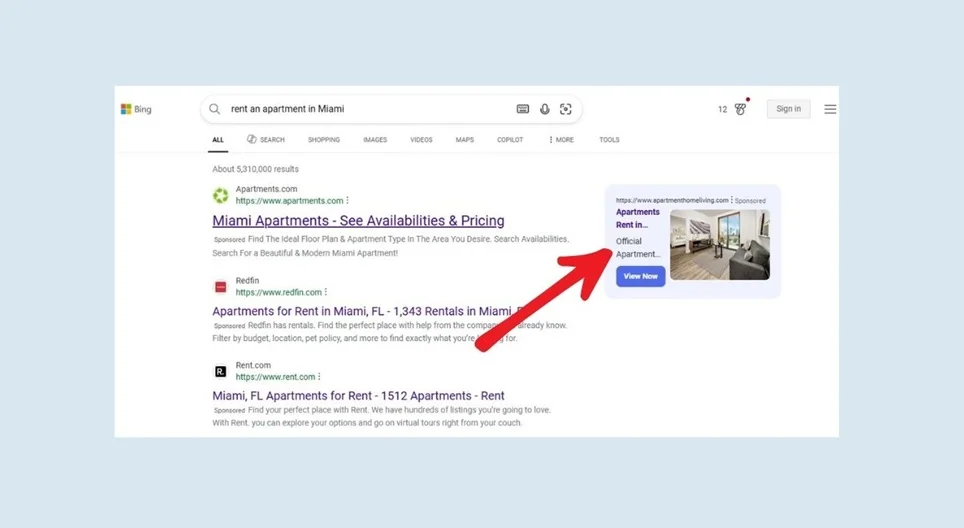
For example, a person might type ‘rent an apartment in Miami’ into Google or Bing. Your ad can appear at the very top of the search engine results page (SERP), clearly marked as ‘Sponsored.’ On Bing, ads may also include visual placements on the right side of the page with images and call-to-action buttons.
On social platforms like Facebook, your ad could appear as a video clip or a property carousel with available homes in the area.

In every case, you only pay when someone clicks.
It’s worth noting that not all real estate advertising runs on a pay-per-click model. Big portals like Zillow and Realtor.com typically use pay-per-lead or pay-for-visibility pricing. Instead of being charged for clicks, you pay for lead inquiries or for premium placement in specific ZIP codes.
How does PPC marketing work for real estate?
PPC is based on a bidding system. Each time someone searches for real estate, advertisers compete in an auction behind the scenes. Your bid, combined with the quality of your ad and landing page, plus the level of competition, decides how often and where your ad shows.
Pay-per-click advertising in real estate is built around different campaign types. Each one has a specific purpose, and together, they make PPC a flexible tool you can use at different stages of the buyer or seller journey.
Lead generation campaigns
Real estate lead generation campaigns focus on collecting contact details from potential buyers or sellers so you can follow up later. This might be a form submission, a phone call, or a sign-up for a free home valuation. Success is measured by the number and quality of leads you capture, not by whether they’ve already booked a meeting or signed a contract.
Brand awareness campaigns
Not everyone is ready to buy or sell today. Awareness campaigns keep you visible so people remember your brand when they are. These might include Facebook ads showing your logo, services, or local expertise. The focus here is on impressions, reach, and engagement, rather than immediate leads.
>> Further reading: How to Go Pro With Real Estate Facebook Ads? + 13 Examples
Conversion campaigns
Conversion campaigns go beyond collecting high-quality leads. They focus on turning those leads into actual clients. For buyers, this could mean scheduling a property tour. For sellers, it might be signing a listing agreement. These marketing campaigns track high-value actions inside your CRM, showing you exactly which ads drive real business outcomes.
Retargeting campaigns
Most people don’t convert the first time they see your ad. Retargeting, also called remarketing, lets you re-engage visitors who clicked before but didn’t act.
Research published in 2024 on ResearchGate found a 0.65 correlation between retargeting ads and purchase decisions. This basically means, people who see follow-up ads are much more likely to convert than those who only see an ad once.
For example, if someone browsed your listings and left, you can show them follow-up ads on Facebook or Google Display to bring them back.
What are the most successful real estate PPC strategies?
Successful PPC campaigns in real estate start with choosing the right ad format for your goals. Search and Maps ads capture people actively looking, while display and video ads keep your brand visible as they browse. Gmail and Local Service Ads also put your business directly in front of potential clients and customers.
Here are the main formats worth considering in your real estate PPC campaign strategy:
Search ads
Search ads are text-based ads that appear at the very top of Google or Bing search results, above the organic listings. They usually feature a headline, a display URL, and a short description. Real estate advertisers can also add extensions such as call buttons, website links, and location details.
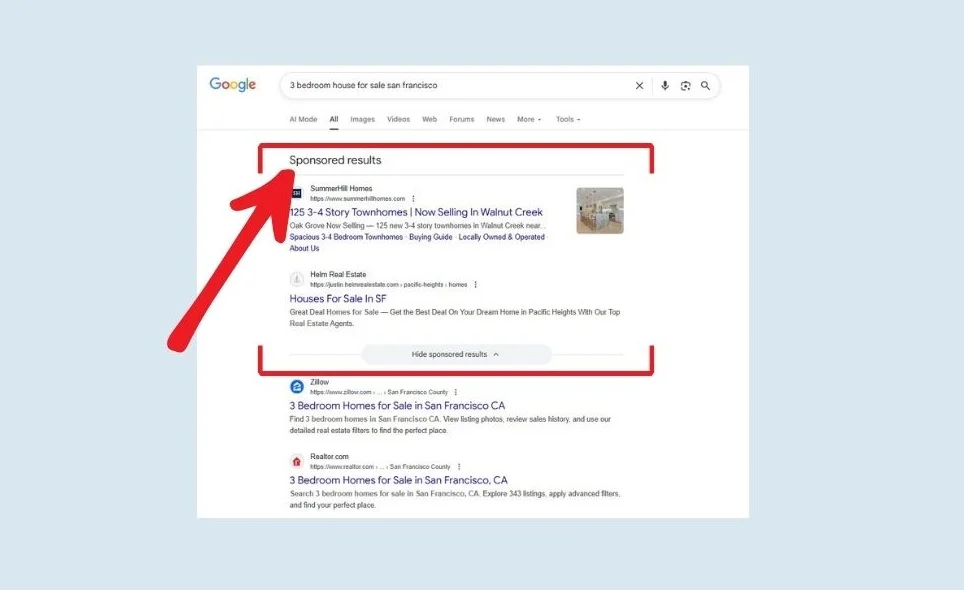
Search ads are effective for capturing high-intent leads. They appear when someone types a relevant query, and geotargeting ensures your ads reach only people in your service area.
Display ads
Display ads use visually engaging content like banners, images, animations, or short video clips. They appear across Google’s Display Network and partner platforms, including news websites, blogs, real estate forums, and local online newspapers.

Display ads are ideal for retargeting visitors or showcasing property photos. They build awareness and keep your brand top-of-mind even when prospects aren’t actively searching for real estate services.
Maps ads
Maps ads appear when users search for local services on Google Maps. So when someone types in ‘real estate agent near me’ or ‘property manager in New Jersey,’ you show as a promoted pin on the map and in the list of nearby results. These pay-per-click ads highlight your name, logo, address, and a call-to-action, plus ‘Call’ and ‘Directions’ buttons.
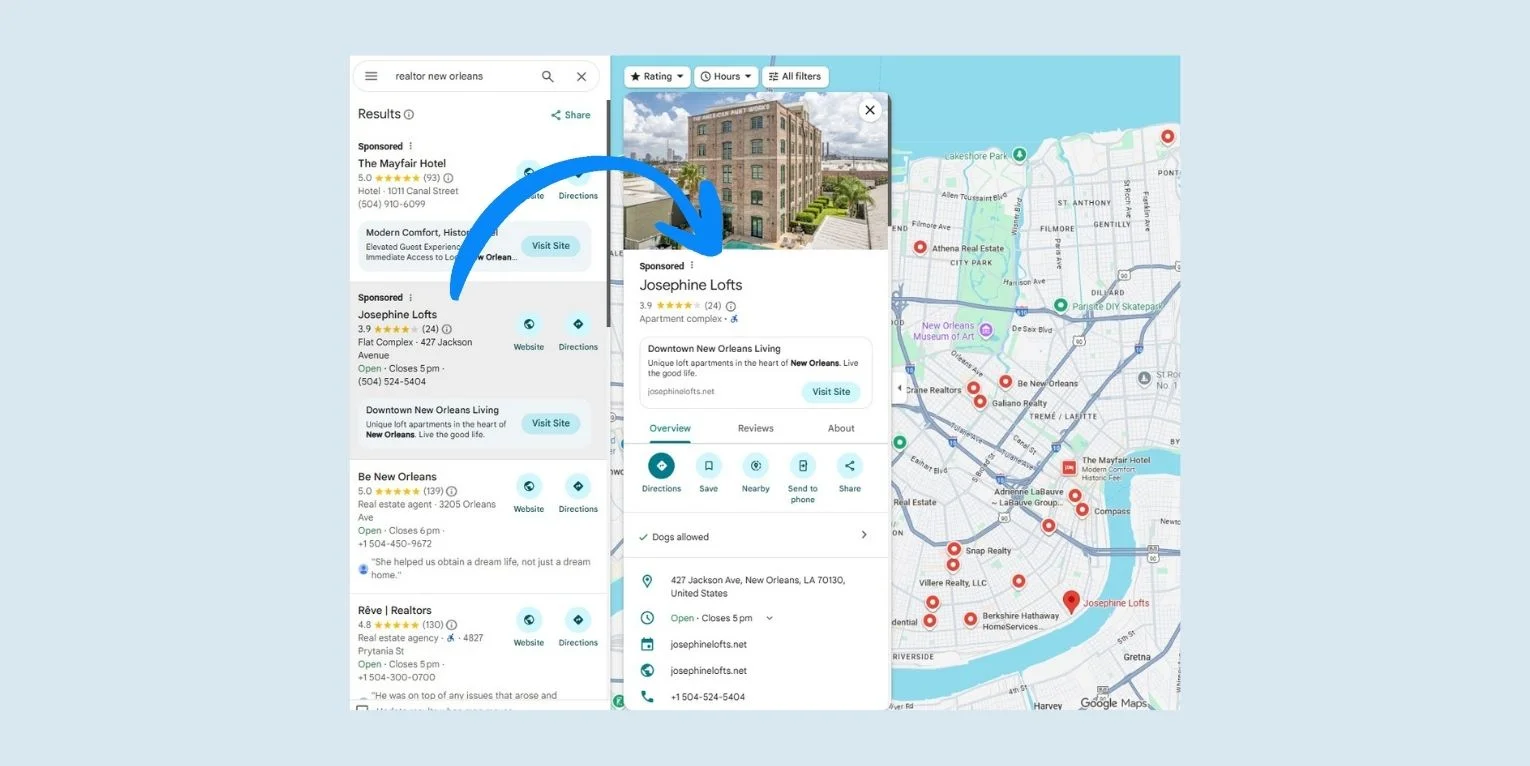
For real estate, maps ads are especially useful for reaching people who are already nearby and actively looking for an agent or property services.
Video ads
Video ads run on YouTube, Facebook, Instagram, and other social media channels. Real-estate professionals can use them for property tours, area profiles, and brand stories.
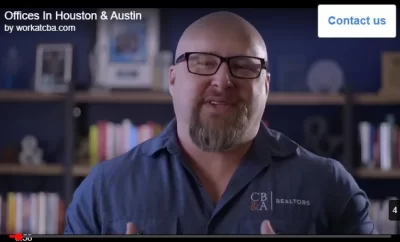
Video grabs attention and evokes emotions, while its storytelling builds trust faster than static ads. According to Vidico’s blog post from 2024:
Social videos generate 1200% more shares than text and image content combined.
Video PPC strategy is also a very cost-effective way to reach and engage prospects. On YouTube, ads average a 0.65% click-through rate with costs around $0.026 per view (AWISEE, 2025 data). This is much lower than the average Google Search CPC of $2.53 in real estate, which we mentioned earlier.
>> Also check: 21 Best Real Estate Videos Every Agent Should Watch
Gmail ads
Gmail ads appear in the Promotions and Social tabs of users’ Gmail inboxes. When clicked, they expand to show more details, images, videos, or call-to-action buttons. They’re effective for promoting listings, newsletters or special offers.
With over 1.8 billion active Gmail users worldwide, this format gives real estate agents a huge audience to reach with targeted PPC messaging. (DemandSage, 2026 information)

Advanced targeting options let real estate agents reach users by demographics, interests, or past interactions. You can appear for those who’ve already shown interest in property or similar deals.
Local Service Ads
Google Local Service Ads (LSAs) aren’t classic PPC. They’re better! Instead of paying for clicks, you only pay when a qualified lead reaches out by call or message.
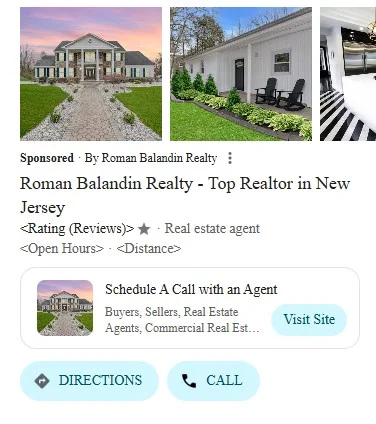
LSAs show at the very top of search results with a ‘Google Guaranteed’ badge, instantly building trust. They connect prospects directly with verified agents or property managers and are one of the strongest options for real estate lead generation.
How to run a real estate PPC campaign?
Running a real estate pay-per-click campaign means creating and managing ads through dedicated PPC platforms. The most popular are Google Ads and Meta Ads Manager.
Google is the clear leader in paid advertising. According to Statista:
98% of PPC marketers in the US use Google search ads.
Meta, with its Facebook and Instagram platforms, is also widely used for real estate campaigns thanks to strong targeting and visual ad formats.
Bing, now branded as Microsoft Advertising, also matters.
67% of PPC marketers in the same survey said they advertise on Bing, making it the fourth most common choice.
Inside these platforms, you do everything in one place: define your target audience, choose keywords, set your budget, and track results.
Follow these steps, and you’ll have a campaign ready to start generating high-quality leads.
1. Decide what you want to achieve
First, define what you want from your campaign.
Do you want to advertise a new listing?
Attract more seller leads?
Or, build brand visibility in your local market?
Each goal connects to specific metrics, so make sure you set the right KPIs (Key Performance Indicators) from the start. If you skip this step, it becomes almost impossible to track progress or understand whether your ads are paying off.
Once you’re clear on your goals, you can move on to choosing the best platform and ad format.
Google Ads campaigns (formerly Google AdWords) are effective for high-intent searches like ‘homes for sale in Austin.’ Meta Ads (Facebook and Instagram) work well for visual storytelling, brand awareness, and retargeting.
Bing, YouTube, and even TikTok can add extra reach, especially in markets where competition on Google is high. LinkedIn is effective if you want to reach commercial property investors, developers, or attract new agents for your team.
2. Set your PPC budget
Your budget sets the limits for how much you spend on clicks each day or month. For example, if you set a daily budget of $100, the platform will never spend more than $100 in a single day.
The main metric to understand here is CPC, or cost-per-click. This is the average amount you pay every time someone clicks your PPC ads. CPC depends on competition for the keyword, your ad quality, and the platform you use.
Start by looking at how much a typical lead is worth to you. If closing a deal brings in $5,000 in commission, paying $50-$100 per qualified lead may be a smart investment. From there, you can work backward to decide how much you’re willing to spend.
In 2025, the average Google Ads CPC in real estate was about $2.53 (RentVision). On Meta, real estate CPCs often fell near $1.63 in US-based campaigns (Superads).
Use tools like Semrush or Ahrefs to check CPC in your own market. For example, ‘homes for sale in Boston’ has a CPC of just $0.28. With a daily budget of $100, you could generate more than 350 clicks a day from this type of buyer-focused keyword.
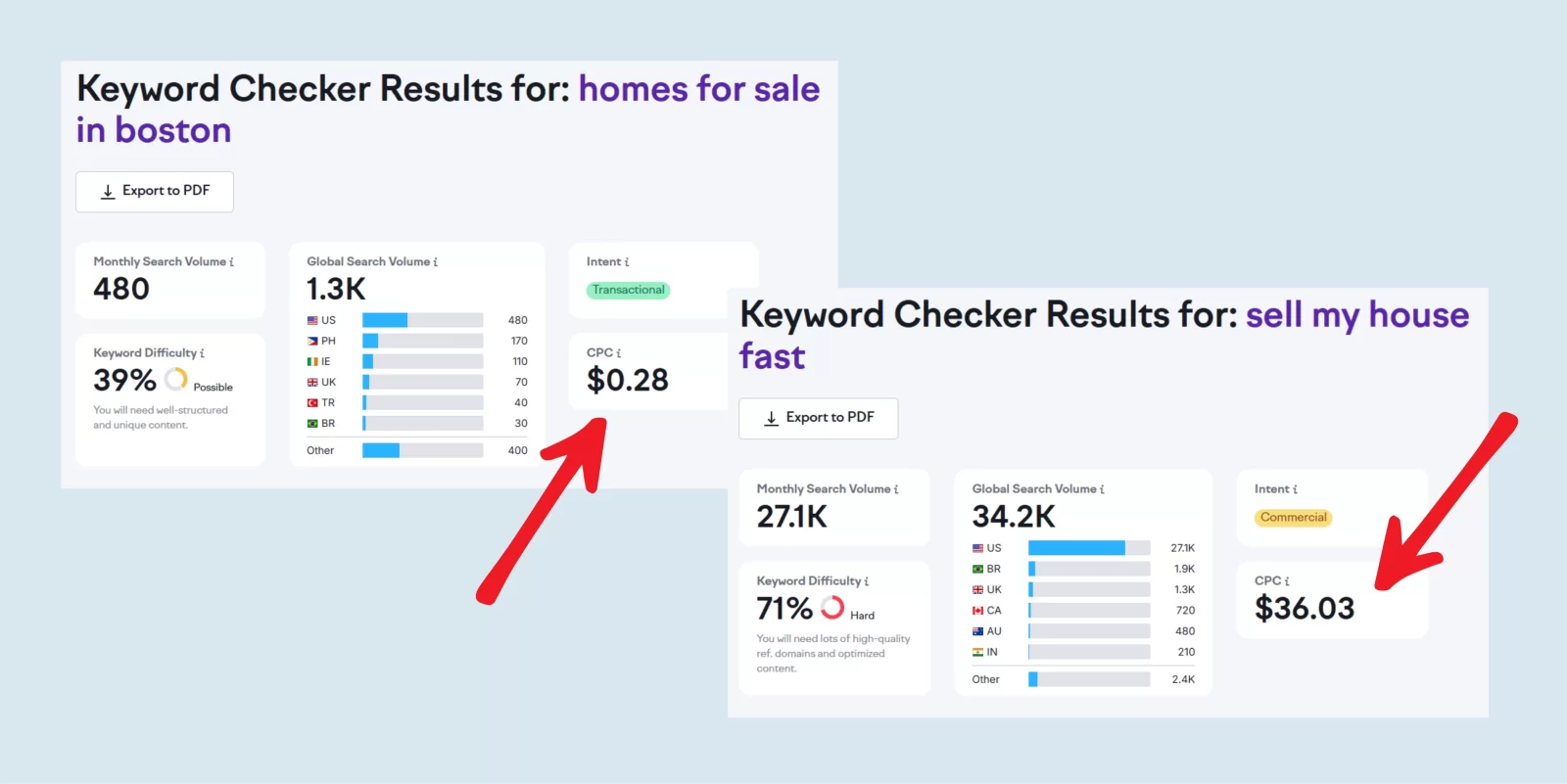
Now compare that to ‘sell my house fast,’ where the CPC averages $36.03. With the same $100 daily budget, you’d only get 2-3 clicks per day, but they’re seller leads with very high intent and often much higher value.
💡Expert tip: Semrush gives you up to five free keyword searches per day, which is perfect for testing terms before you commit ad spend.
3. Find the right keywords
The next step is choosing keywords that match what your audience is searching for. In real estate, searches are almost always tied to location. Keywords with city names, ZIP codes, or neighborhoods capture higher intent and often cost less than broad keywords. That’s why keyword selection is a big deal for the success of your PPC ad campaigns.
Start by thinking like your target audience and their intent. A seller might search ‘sell my house fast in Boston’ (ready to act), while a buyer could type ‘best neighborhoods in Boston’ (still researching).
Search engines like Google and Bing also suggest related searches as people type. These suggestions give you extra keyword ideas that real users are actively looking for.
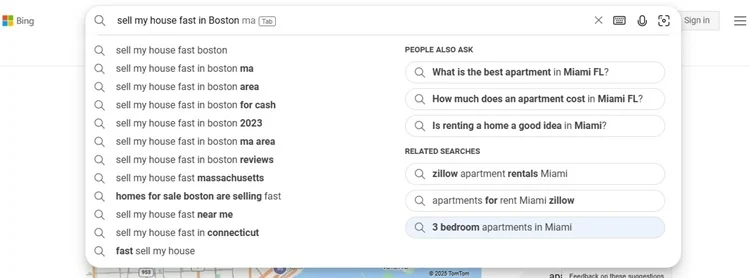
Make a list of phrases people would actually type into Google or Bing. Use tools like Google Keyword Planner, SEMrush, or Ahrefs to find keywords with a healthy mix of search volume and reasonable CPC. Focus on long-tail keywords (3-5 words) that are more specific. They often bring higher intent and lower costs than more general keywords like ‘real estate.’
Check your competitors to spot keyword gaps (terms they’re ranking or bidding for that you aren’t). At the same time, build a negative keyword list. These are the search terms you exclude to avoid wasted spend.
Also, in Google Ads, you can set the right match types:
- Broad match → captures related searches and synonyms.
- Phrase match → shows ads when the phrase is included in the search.
- Exact match → shows ads only for that exact keyword or close variants.
4. Build optimized landing pages
Before you spend a dollar on PPC advertising, make sure you have a solid real estate website. A slow or outdated one will waste clicks and lower your ad performance.
From there, create dedicated landing pages for your campaigns. If your ad promises a free home valuation, the page the users land after they click on your ad should lead with that offer, backed by a simple form.
With Placester, you can launch a professional, mobile-friendly real estate website in under an hour, no coding required. It’s easy to create custom landing pages with clear calls-to-action and add trust signals like testimonials or brokerage credentials in just a few clicks.
5. Choose who should see your ads
Targeting decides where your budget goes. Instead of showing ads to everyone, you focus on the audience most likely to convert. And surely, not all of them will.
According to WordStream, the average conversion rate for real estate pay-per-click campaigns in 2025 was about 3.28%.
Ways to segment your audience include:
- Location targeting – Focus on cities, ZIP codes, neighborhoods, and streets to reach potential clients in your area.
- Demographic targeting – Narrow by age, income level, or household type to reach likely homeowners, renters, or investors.
- Device targeting – Adjust ads for mobile vs. desktop users. Mobile-friendly ads are crucial, since 72% of recent buyers used a mobile device to search for homes (NAR’s 2025 Trends Report).
- Time-based targeting – Run ads at times your audience is most active, like evenings or weekends, when people often search for homes. Good platforms suggest optimal running times.
- Interest or behavior targeting – On platforms like Meta, you can reach people showing interest in moving, property listings, or home financing.
The more precise your filters, the higher the chance your ads reach the right people at the exact moment.
6. Create and launch your ads
Time to be creative and put together your ad! If you choose to advertise through Google, you’ll mostly work with search ads. Google Search Ads are keyword-driven digital ads that appear at the very top of the search engine results page whenever someone types in a relevant query.
You can add extensions such as phone numbers, locations, or extra links to boost clicks and credibility.
On Meta, ads are more visual. You can use image ads for single listings, carousel ads to show multiple properties, or video ads for virtual tours.
To get results, these ads should link to consistent marketing materials such as landing pages, listing pages, or lead forms that continue the message after the click.
In most cases, you’ll follow step-by-step instructions inside the ad platform. It may feel complex at first, since there are many settings, but it gets easier with practice.
7. Track your PPC campaigns
The great thing about PPC advertising is that it’s highly measurable. And to get the most out of your pay-per-click ad campaigns, you want to know what’s working.
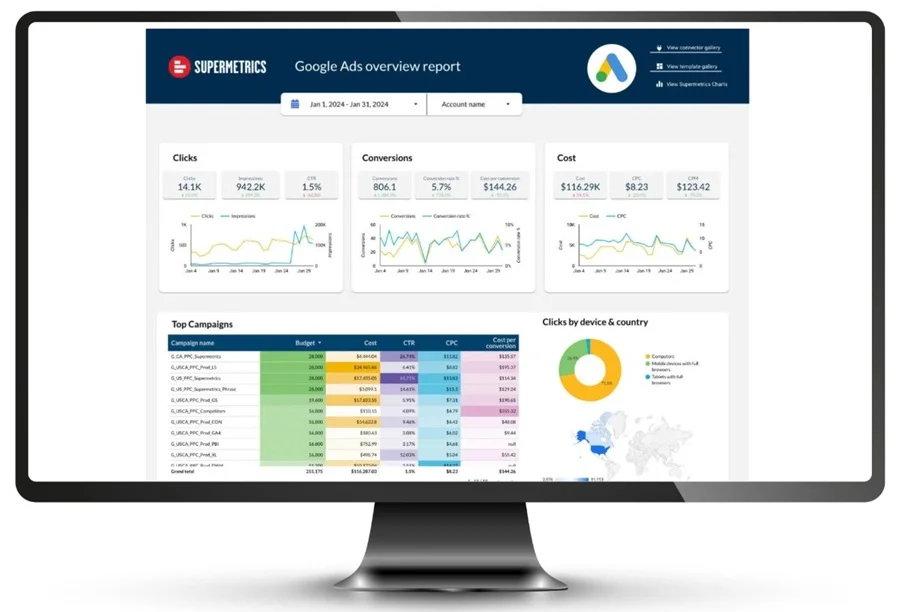
Set up conversion tracking inside your ad platform. On Google Ads, you can track form submissions, phone calls, or booked appointments. On Meta, install the Meta Pixel to measure actions taken on your website after someone clicks your ad. Connect these tools to Google Analytics for a complete view of user behavior.
To ensure proper ad spend, track, measure results, compare them to your goals, and decide where to adjust. Monitor audience engagement, website traffic, and bounce rates on your landing pages. If people click but leave within seconds, your page or message needs improvement.
For deeper reporting, look for third-party tools such as Looker Studio (for custom dashboards) or AdEspresso by Hootsuite (for managing and testing multiple ad variations). These give you more insight and help refine campaigns over time.
💡 Expert tip: Launch → Track → Adjust → Repeat
PPC real estate – 5 Examples from real Agent, Investor and Realtor campaigns
SevenAtoms for Tenant Planet
Tenant Planet is a property management company in California. The management wanted more online leads but struggled to keep costs under control. That’s when they started working with SevenAtoms to improve their Google and Bing Ads campaigns.
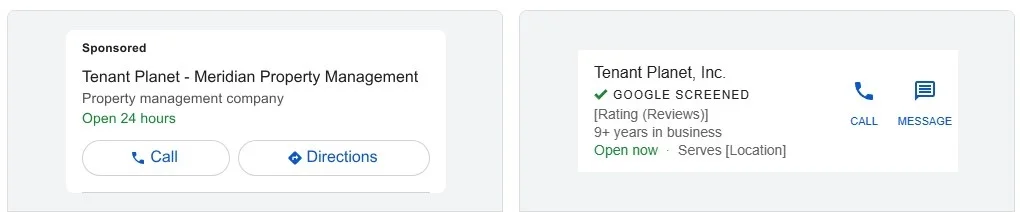
The agency built new campaigns, added landing pages, and tightened up keyword targeting. The results came quickly:
- Leads went up by 213%,
- Cost per lead dropped by 52%,
- Conversion rates improved by almost 300%.
Tenant Planet’s case shows how real estate companies outside of traditional brokerages can also benefit from online advertising. With the right setup, both Google and Bing Ads can bring in steady, affordable PPC real estate leads.
Ylopo for Chris Phares, Realtor
Ylopo worked with Chris Phares, a real estate agent who wanted to generate more predictable leads. His campaigns included Meta ads on Facebook and Instagram, supported by Ylopo’s AI-driven remarketing.
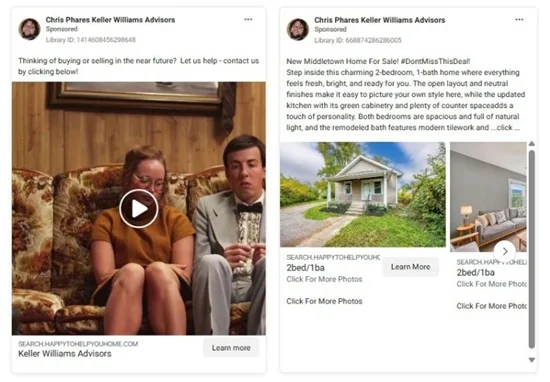
The results were impressive. Chris reported a 461% return on investment from Ylopo leads in 2024. The strategy combined targeted Facebook ads with remarketing and smart follow-up, turning ad clicks into closings at scale.
On a monthly budget of $2,500 (including fees and leads), Chris generated 470 leads and closed 16 deals. With smart targeting and consistent follow-up, social media pay-per-click ads can also drive a steady flow of qualified buyers and sellers for your business.
KlientBoost for LandMonkey
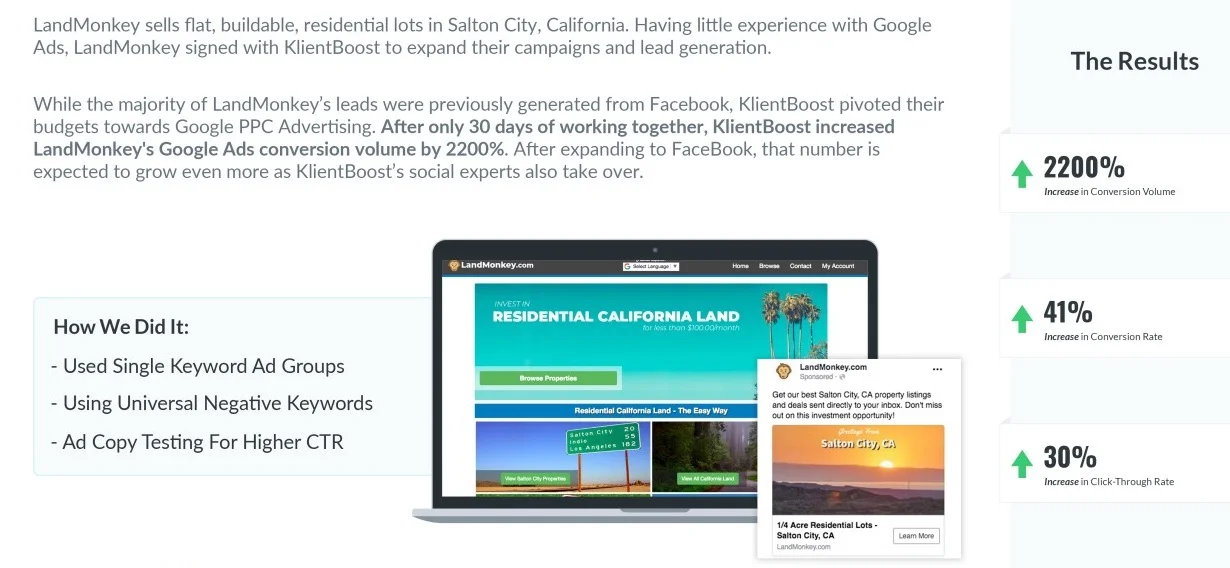
KlientBoost, a full-service performance marketing agency, worked with LandMonkey, a company selling residential lots in Salton City, California. LandMonkey wanted to increase conversions from paid search campaigns, but their campaigns were not delivering enough qualified leads.
The agency restructured their Google Ads setup, adding single keyword ad groups (SKAGs), refining negative keywords, and testing new, compelling ad copy. These adjustments quickly paid off. In just the first 30 days, LandMonkey saw a 2200% increase in conversions, a 41% jump in conversion rate, and a 30% lift in click-through rate.
“We were excited to see what kind of leads KlientBoost could deliver via Google Ads. They did an exceptional job at communicating, remaining transparent, and relentless when pursuing goals defined at the beginning of our partnership.”
— Christopher Hoffman, Founder of LandMonkey
LandMonkey’s hiring a PPC agency proved the value of outside expertise. KlientBoost applied proven paid search tactics to this niche market and turned Google Ads into a reliable channel for land sales.
NC Realtors on Meta
Since 2018, NC Realtors have spent a total of $12,483 on Meta ads in the US, focusing their campaigns on homebuyers and sellers across North Carolina. Their targeting strategy covered all age groups from 18-65+, with a strong emphasis on interests like first-time buyer, starter home, and real estate. To scale further, they also used custom and lookalike audiences, reaching people similar to their existing clients.
Looking at one specific ad, they invested $800-$899, which generated between 70K-80K impressions. The bulk of engagement came from men and women aged 35-54, a prime home-buying demographic, with nearly all impressions (99%) concentrated in North Carolina.
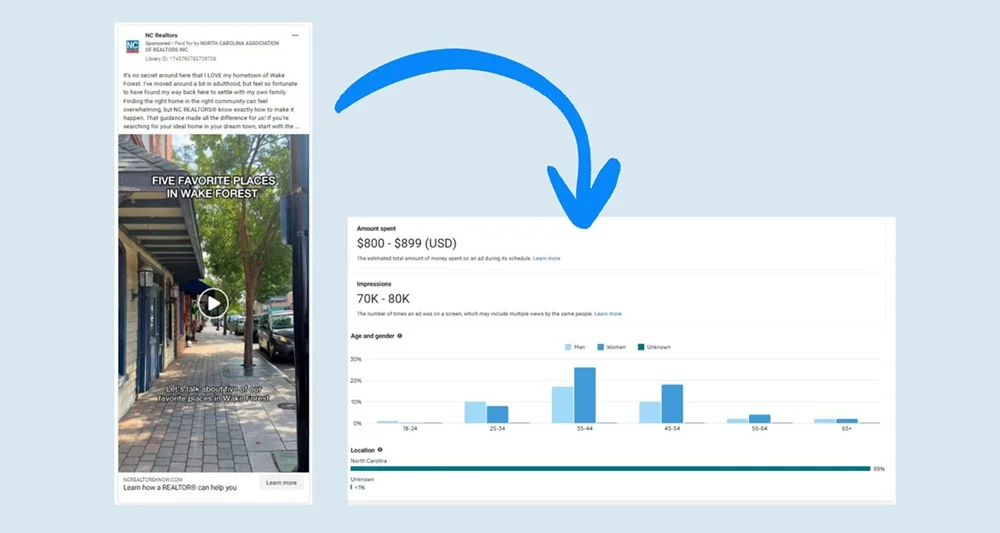
This example shows how local targeting, intent-based interests, and audience expansion tools can work together in Meta ads. It highlights how real estate professionals can use the platform to stay highly visible in their market.
SachiStudio for Realtor in Highland Park RE
SachiStudio partnered with a Realtor in the Highland Park area near Dallas to improve lead quality and lower acquisition costs. The market was competitive, with high CPCs for general ‘Dallas real estate’ keywords.
By shifting to hyper-local targeting, which means narrowing campaigns to neighborhood-level searches, they were able to drive better-qualified clicks. Within three months, the results were clear:
- A lead cost dropped by nearly 40%, from $18 to $10.
- The Realtor maintained a steady lead volume while reducing total ad spend.
- Targeted neighborhood terms performed better than broader city-level keywords, proving the value of local precision in real estate PPC campaigns.
Here’s an example of a real estate PPC video ad run across YouTube placements within the Google Ads network.
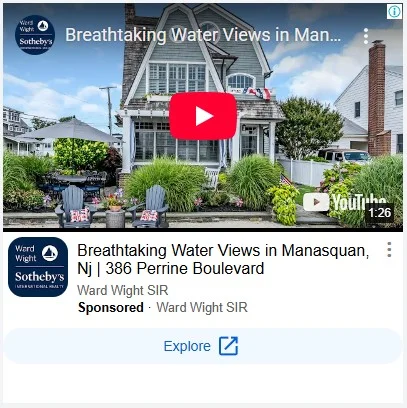
This case shows how small adjustments in keyword strategy can have a big financial impact. For agents and Realtors working in competitive metros, going hyper-local can stretch budgets further and deliver a stronger return on investment (ROI).
PPC advertising for real estate industry – 10 Best practices (checklist)
If you’re planning to run PPC campaigns on your own, this handy checklist will keep you on track. Follow our best practices to allocate your budget smarter, target better, and get more qualified leads.
Strategic keyword selection
Use dedicated marketing apps and tools like Ahrefs, SEMrush, or Google Keyword Planner to find relevant keywords and see what they cost (CPC). Look for local, intent-driven phrases and check which search terms your competitors target. You can even bid on competitor brand names to catch people who are already looking at their services.
Applying negative keywords
Not every click is worth paying for. Add terms like ‘jobs’ and anything else that comes to your mind to your negative keyword list so your ads don’t show for irrelevant searches. Update this list often to keep your budget focused on people who are actually ready to buy or sell.
Setting a realistic PPC budget
Your budget depends on how many PPC leads you want to generate. Let’s say your goal is one lead per day. If your landing page converts at around 5%, you’ll need roughly 20 clicks to get that lead.
Now, check the average cost-per-click for your market. If CPC in your area is $10, you’d need a daily budget of about $200 (20 clicks × $10) to hit your goal. Adjust the math based on your own CPC and lead targets.
Decide how much you want to spend per day and per month, and set caps inside your ad platform to avoid surprises.
Having a professional website
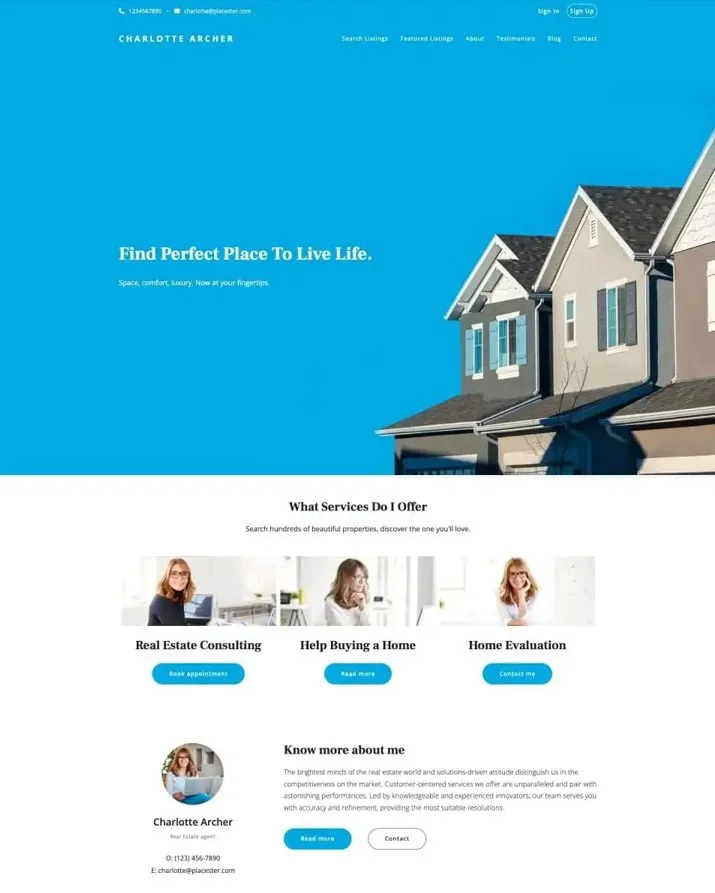
Before you spend any money on real estate PPC services, make sure you have a reliable branded website that loads fast, looks professional, and works on mobile devices. With builders like Placester, you can launch modern real estate designs quickly and add lead-capturing features, like live chat, with just a few clicks. Good websites build trust and keep visitors from bouncing before they even see your offer.
Ensuring ad relevance through landing pages
Each PPC campaign should lead to its own landing page. Make sure the page matches your ad. For instance, if your ad promotes a new listing, the landing page should highlight that property front and center.
Keep the layout simple, fast, and mobile-friendly. Add trust signals like testimonials, recent sales, or brokerage credentials to boost credibility and conversions.
💡 Expert tip: You may already have a page on your website, like a contact form or property search, that can work as a starting point for certain campaigns.
Leveraging advanced filtering options
Platforms like Meta and Google let you combine multiple filters, so your ads reach the right audience. Go beyond basic targeting to refine who actually sees your ads. Use audience segments to reach past visitors, homeowners by household income, or people researching mortgages.
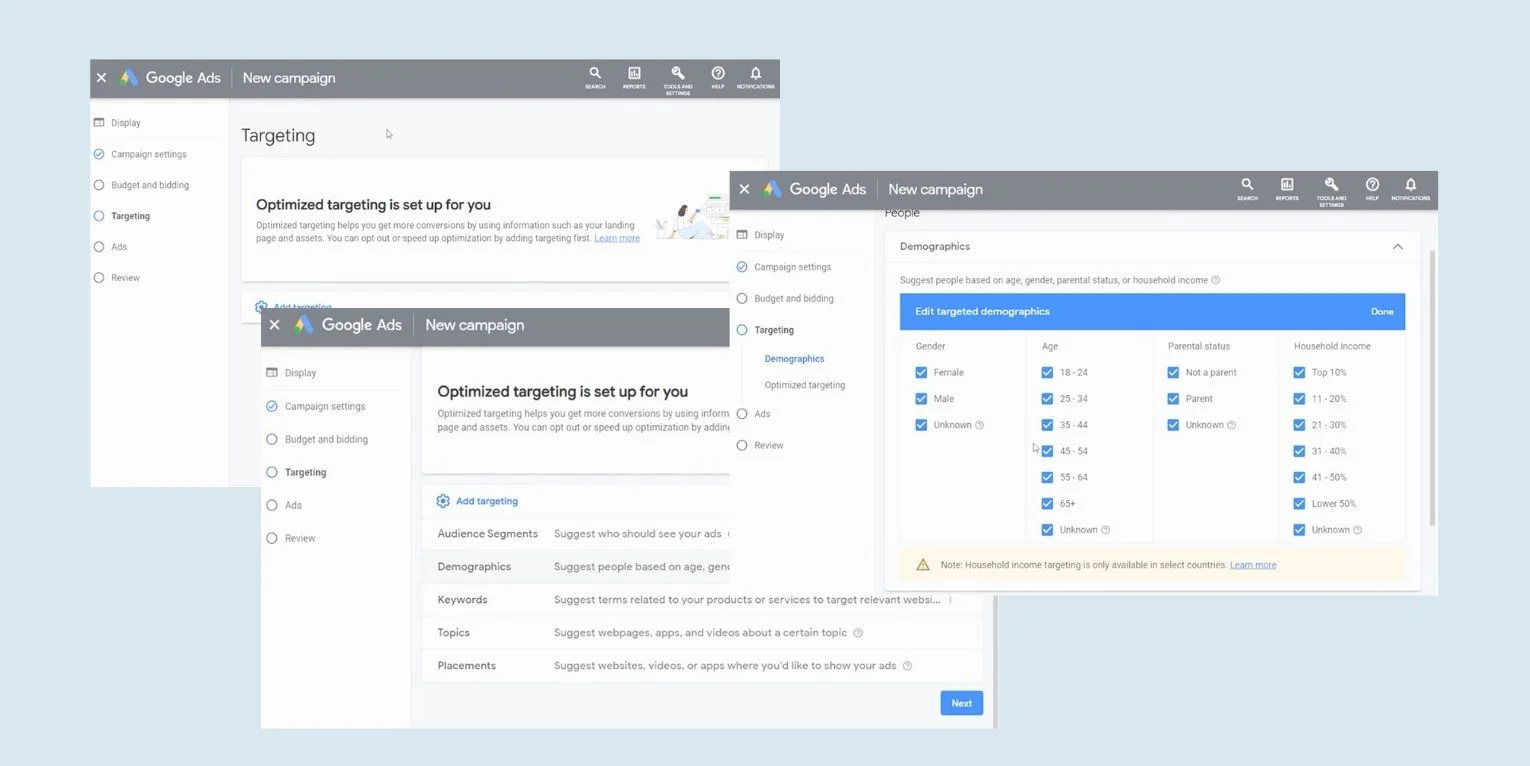
On Meta, you can also build lookalike audiences – new prospects who share similar traits with your best leads. This makes it easier to scale campaigns without losing relevance.
Testing, monitoring & refining
Most ad platforms let you run A/B tests. Try different headlines, images, and calls-to-action to see which ones bring in more PPC leads or appointments. Track metrics like click-through rate (CTR), conversion rate, and cost per lead. Pause ads that underperform, shift budget to the winners, and fine-tune campaigns as you go.
Automating and using AI tools wisely
Google, Meta and Microsoft Advertising offer smart bidding, automated targeting, and AI-driven suggestions. LinkedIn also uses automation for audience expansion, which can be valuable for commercial real estate campaigns.
Real estate AI tools save time and improve results, but you shouldn’t leave them unchecked. Review performance often to ensure automation aligns with your goals and budget.
>> More on this: Real Estate Marketing Automation: Ultimate Guide
Retargeting visitors who didn’t convert
Most people won’t act the first time they see your ad. Recent research shows that:
Retargeted users are up to 3-times more likely to click, and campaigns report conversion rate lifts of 43% or more (Cropink, 2025 data).
Retargeting lets you show follow-up ads to visitors who clicked but didn’t sign up, call, or request info. Use display or social ads to bring them back when they’re closer to making a decision.
Building a cross-channel marketing approach
As you get more confident, expand your PPC campaigns into a cross-channel strategy to stay visible wherever your prospects spend time. Run pay-per-click ads alongside full social media marketing, targeted email campaigns, and ongoing SEO efforts on your website.
When these channels work together, prospects see your brand consistently, which builds trust and shortens the path to conversion.
Real estate PPC management – DIY vs. Outsourcing
Managing pay-per-click campaigns takes time, skill, and ongoing optimization. The big question is whether to do it yourself or outsource. Let’s look at both approaches and see when it’s better to bring in professional PPCers.
Running campaigns yourself
Pros:
✅ Full control over budget, targeting, and creative.
✅ You learn the mechanics of pay-per-click campaigns directly.
✅ Lower upfront costs if you’re a solo agent or small team.
Cons:
⚠️ Steep learning curve – mistakes can burn budget fast.
⚠️ Time-intensive – proper management takes hours each week.
⚠️ Harder to stay on top of platform updates and advanced tactics.
Self-management can work if you’re a solo realtor or investor starting small. But only if you’re ready to invest time into testing, analyzing, and refining campaigns.
Outsourcing to PPC specialists
Pros:
✅ Access to expertise and proven strategies.
✅ Agencies track benchmarks and market conditions across many clients.
✅ Less time spent on day-to-day management.
✅ Faster scaling with structured processes.
Cons:
⚠️ Higher cost to start with. Pay-per-click ad management from an agency often costs $500 to $5,000 per month for small to mid-sized clients.
⚠️ Many real estate PPC agencies require minimum contracts of 3-6 months.
⚠️ Some expect you to update/rebuild your website, CRM, or landing pages before starting.
Outsourcing makes sense if you’re growing, running multiple campaigns, or need advanced tactics like retargeting, multi-channel funnels, CRM integration, and closing more deals.
Key takeaways
PPC real estate is one of the fastest ways to attract new clients for your business. It delivers visibility, qualified traffic, and measurable ROI. The challenge is time and cost: done right, it’s a strong investment, but done wrong, it can drain your budget quickly.
Here’s the quick recap:
- Start with clear goals and high-intent keyword selection.
- Focus on landing pages as much as on your ad copy.
- Use negative keywords, retargeting, and A/B testing to cut waste.
- Fine-tune your campaigns weekly and adjust as needed.
- Decide whether DIY or outsourcing works best for your business.
To get even more from your marketing in 2026, pair PPC with social media campaigns and local SEO on your website. Together, these channels strengthen your online presence, generate more leads, and grow your business faster.
If you’re investing in PPC real estate, make sure the clicks you pay for land on a website that’s fast, professional, and built to convert. Placester helps you launch a professional, mobile-friendly real estate website in minutes, not months. With built-in lead capture, IDX, and simple customization, you can turn every PPC visitor into a real opportunity, without needing developers or complex tools.
AI Websites for Real Estate
Get a custom, ready-to-edit website
in less than 4 minutes.
FAQ
What does PPC stand for?
PPC stands for Pay-Per-Click. It’s an online advertising model where you pay only when someone clicks your ad, not when it’s shown.
What are some of the best PPC keywords for real estate leads?
The best PPC keywords for real estate leads are hyper-local and intent-driven. Examples include ‘sell my house fast [City],’ ‘condos for sale in [area],’ or ‘real estate agent near me.’ However, high-demand phrases like these attract more competition, which often makes them more expensive per click.
How effective is Bing PPC for real estate investors?
Real estate investor PPC campaigns run on Bing (now Microsoft Advertising) can be very effective, especially in markets where Google competition drives costs up. Bing’s audience tends to be older and more affluent.
For example, nearly 40% of its users have household incomes above $100K (The Ad Spend, 2025 data). This means real estate investors can sometimes reach high-value PPC leads at lower competition. Bing also reports a conversion rate of about 2.94% in some verticals (Top Bing Ads statistics 2025, by amra & elma).
Which works better — SEO vs PPC for real estate investors?
PPC campaigns are better for getting real estate investors more leads and visibility immediately, while SEO builds long-term organic traffic and credibility. Successful investors combine both: PPC for quick wins, SEO for sustainable growth.
What is the expected ROI of local real estate PPC campaigns?
ROI for local real-estate PPC campaigns varies, but well-run campaigns often deliver 200%-400% (2-4×) return. For example, a case study from AdWords Nerds reported an investor achieving 30 real estate transactions per year using paid traffic.
However, broader benchmark data shows the average real-estate PPC ROAS is just 1.40 (140%) for many agents (ez Home Search).
What is the best real estate PPC company?
The best real estate PPC company according to Clutch reviews is Disruptive Advertising, with over 360 reviews and a strong track record in Google Ads and Meta Ads management. Other good real estate PPC companies include Black Propeller, ATRA, GRO, Elit-Web, and Ylopo, all specializing in pay-per-click campaigns tailored for real estate professionals.
Published on