(800) 728 8391



Quick summary:
- Most real estate agent interview questions test three things: how you’ll find clients, how you’ll get through a slow first year, and how you treat people under pressure.
- Bring proof, not promises: a written 90-day lead plan, a realistic budget, and two or three short stories from past work.
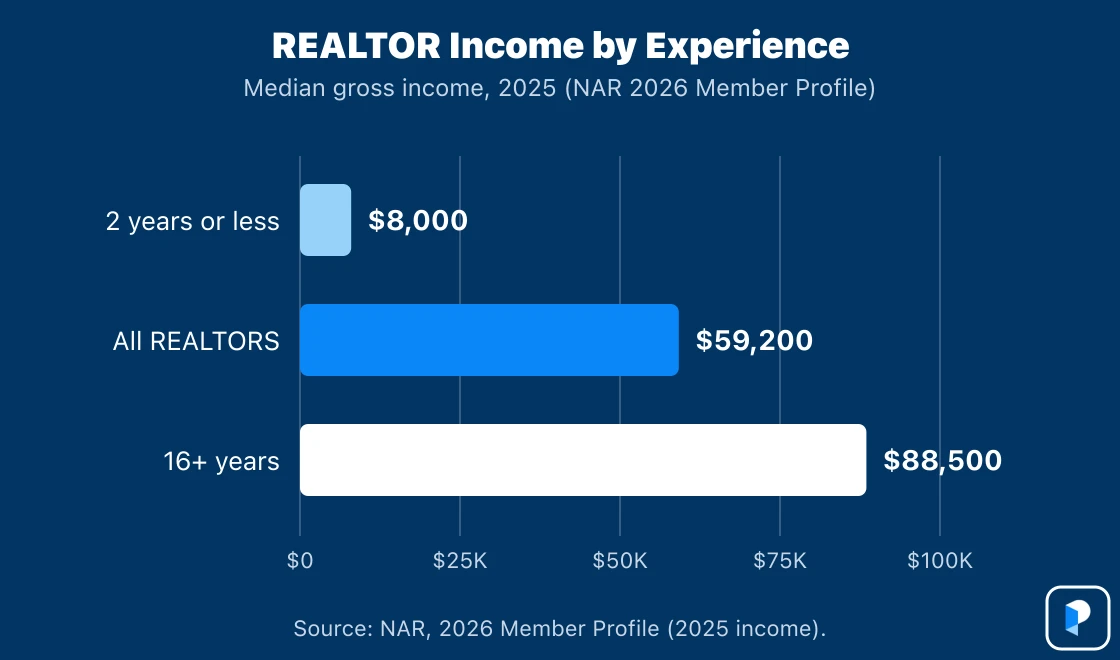
- New agents earn very little at first. REALTORS with two years or less of experience earned a median of $8,000 in 2025 (NAR, 2026), so expect questions about how you’ll cover your bills.
- Interview the brokerage back. Fees, caps, training, and lead support often matter more than the headline commission split.
The first real interview of your real estate career usually isn’t with a client. It’s with a managing broker deciding whether to hang your license at their firm.
That conversation is different from a typical job interview. You’re not applying for a salary. You’re asking a brokerage to sponsor you, train you, and share your commission, so the broker wants proof you’ll actually close deals and stick around. Generic interview questions and answers don’t cover that.
This guide groups 30 common real estate interview questions by what the broker is really testing, with tips on how to answer each one. Then it flips the table with the questions you should ask the brokerage before you sign anything.
What brokerages look for in a new agent
Brokers hire agents who will produce and stay. Every question in the interview process ties back to those two goals, because a brokerage only earns money when its agents close deals.
The U.S. Bureau of Labor Statistics lists five important qualities for real estate brokers and sales agents:
- business skills,
- interpersonal skills,
- organizational skills,
- problem-solving skills,
- being self-motivated.
Most interview questions are just different ways of checking for those qualities.
Retention matters too. Training a new agent takes a broker’s time, and most agents stay put once they settle in. The typical REALTOR has been with their current firm for six years, and 75% say they’re very certain they’ll stay active in real estate for at least two more years (NAR, June 2026). Hiring managers want to see that you’ll be one of them.
A quick note on format: real estate interviews mix behavioral and technical questions. Behavioral questions ask what you did in a past situation. Technical questions check what you know about contracts, pricing, and the current market. You’ll see both below.
Questions about your motivation and background
These usually come first. The broker is looking for a real reason you chose a career in real estate and a sense of your commitment.
1. Why do you want to be a real estate agent?
- Give a specific reason. “I’ve helped three friends find rentals and loved it” is better than “I like houses.”
- Connect it to people or your community, not just the product.
- Don’t lead with money or flexible hours. Brokers hear that constantly, and it signals you may quit when the first few months are slow.
2. Why do you want to work at our brokerage?
- Research the real estate firm before you walk in. Look at its recent listings, reviews, training program, and the agents who work there.
- Name one or two things that genuinely appeal to you, such as its mentorship program or its focus on first-time buyers.
- Avoid generic praise that could apply to any office.
3. Will you work full-time or part-time?
- Be honest. Stretching the truth here only creates problems later.
- If you’re part-time at first, explain your schedule and your plan to go full-time, including a rough date.
- Show you know clients expect quick replies during evenings and weekends, and explain how you’ll cover them.
4. What did you do before real estate, and how does it help?
- Pick transferable skills such as sales, customer service, negotiation, marketing, or managing a schedule.
- Prepare a real-life example from your previous jobs.
- Coming from an unrelated field? Focus on habits like follow-through and handling stress.
5. Where do you see your real estate career in three years?
- Give a realistic goal, such as the number of transactions a year or a niche you want to own.
- It’s fine to mention leading a team or getting your broker license. Just show you plan to build your business here first.
- Avoid answers that sound like you’ll leave as soon as training ends.
6. What do you know about our local market?
- Look up a few basics before the interview: median sale price, days on market, and inventory trends in the area.
- Mention one or two neighborhoods you know well and why.
- Even basic market analysis tells the broker you’ll be credible with clients from day one.
Questions about how you’ll find clients
These questions can make or break most real estate interviews. A broker can teach you contracts. Teaching you to generate business is much harder, so they want to see that you already have a plan.
The stakes are high because clients rarely shop around. In NAR’s 2026 Profile of Home Buyers and Sellers, 77% of repeat buyers and 67% of first-time buyers interviewed only one agent (Real Estate News). Your answers here should show how you’ll be that first call.
7. How will you generate leads in your first 90 days?
- Name specific sources and a weekly routine. For example: call 20 people from your sphere each week, hold two open houses a month, and post three times a week on Instagram.
- Bring a written 90-day plan. One page instantly separates you from candidates who say “social media and networking.”
- Mention how you’ll track what works so you can adjust. Our guide to real estate lead generation strategies has more ideas to build into your plan.
8. Who’s in your sphere of influence?
- Give a rough count of the people you know well enough to call, such as friends, family, neighbors, former coworkers, and parents from your kids’ school.
- Explain how you’ll tell them you’re now in real estate, whether through calls, a mailer, or a launch post.
- Brokers like this question because past clients and referrals drive so much of the business. The typical NAR member earned 28% of their business from past clients and customers in 2025 (NAR, June 2026).
9. Are you comfortable cold calling and door knocking?
- Say yes only if you mean it, then describe how you’d approach it, such as calling expired listings or circle prospecting around a new sale.
- Nervous about it? Say so, and explain that you’ll use scripts and practice. Honesty plus a plan works better than false confidence. These cold calling scripts are a good place to start.
10. How do you plan to use social media?
- Name the platforms where your target clients spend time and the content you’ll post, such as local market updates, neighborhood videos, or listing tours.
- Show you know social media is about staying top of mind, not just posting listings.
- Mention that you’ll follow the brokerage’s advertising and compliance rules.
11. Do you have a website or online presence?
- Expect this one more often now, since most buyers and sellers look you up online before they call.
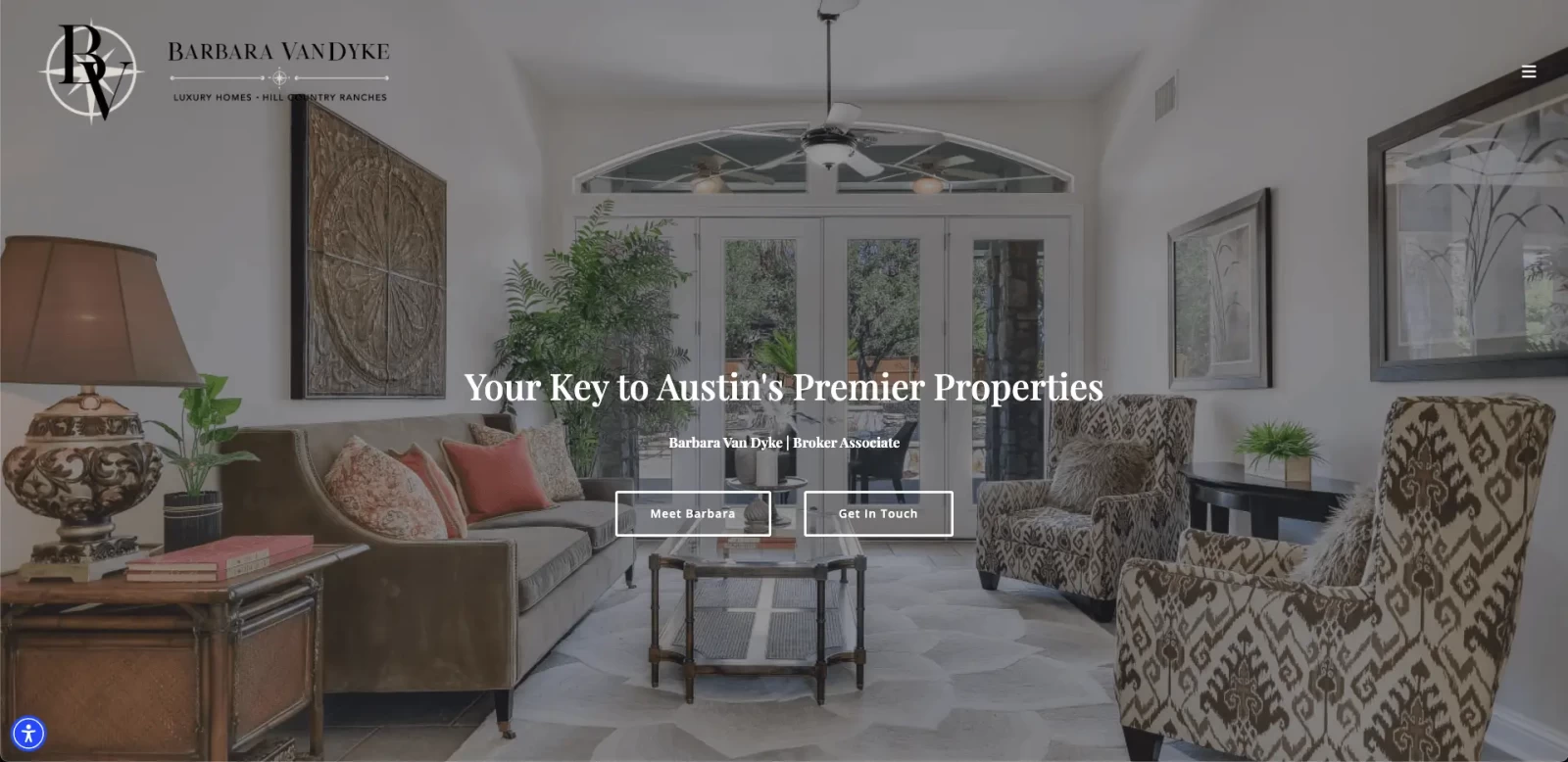
- If you have a personal website or bio page, pull it up on your phone and show it. Few candidates bring proof of their marketing, so this stands out.
- No site yet? Explain what you plan to build and when. A strong agent bio is a good first step.
12. How will you follow up with leads?
- Describe a simple process: respond within minutes, set a follow-up schedule, and keep notes on every contact.
- Mention a CRM or the tool the brokerage provides.
- Show you understand that most leads aren’t ready to buy right away, so long-term nurturing matters.
13. Do you plan to focus on a niche?
- Starting broad is fine, but naming a direction shows focus. Examples include first-time buyers, luxury homes, a specific neighborhood, or investment properties.
- Tie your niche to your background or network.
- Not sure yet? Our guide on how to choose a real estate niche can help you pick one before the interview.
Questions about the business side
Brokers want to know you understand that real estate is a commission business with real costs and a slow start. These questions test whether you’ve done the math.
The numbers explain why. REALTORS with two years or less of experience earned a median gross income of $8,000 in 2025, compared with $59,200 for all REALTORS and $88,500 for those with 16 or more years in the business. Median business expenses were $9,530 (NAR 2026 Member Profile).
14. How will you support yourself while you build your business?
- Have a real answer: savings that cover six to 12 months of expenses, a partner’s income, or a part-time job with a flexible schedule.
- Show that you’ve thought about cash flow. Your first commission check may not arrive until several months after you start.
- Brokers ask this because agents who run out of money quit, no matter how talented they are.
15. How much will you invest in marketing?
- Give a monthly or yearly number, even a small one, and say what it covers, such as signs, a website, ads, or mailers.
- Include required costs like MLS dues, association fees, and errors and omissions insurance in your budget.
- A real estate business plan makes this question easy to answer.
16. What are your goals for your first year?
- Give a number of closed transactions and the activity behind it, such as calls, appointments, and open houses.
- Keep it realistic. The typical REALTOR had nine transaction sides in 2025 after a median of 13 years in the business (NAR, June 2026), so a new agent claiming 30 deals in year one won’t sound plausible.
- Explain how you’ll measure progress each month.
17. How will you track your numbers?
- Name the metrics you’ll watch, such as leads by source, appointments set, conversion rate, and gross commission income.
- Mention when you’ll review them, whether it’s weekly or monthly.
- Brokers respect agents who treat real estate like a business, and tracking the right metrics proves it.
18. Have you used a CRM?
- If you have, name the tool and how you used it in a past job.
- If you haven’t, say you’re ready to learn the brokerage’s system and explain how you’ve organized contacts before, even if it was a spreadsheet.
- Ask which real estate CRM the office uses. It shows interest and helps you compare brokerages.
19. How do you manage your time?
- Describe a daily structure, such as prospecting in the morning, appointments in the afternoon, and follow-up at the end of the day.
- Mention the tools you rely on: a calendar, time blocking, or task lists.
- The broker wants to hear that you’ll work without a boss watching, since most agents are independent contractors.
Questions about clients and people skills
Expect behavioral questions here. The best way to answer is with a short case study from your own experience: the situation, what you did, and the result. If you’re new to real estate, draw on any customer-facing job.
20. Tell me about a time you dealt with a difficult customer.
- Pick a real story with a clear ending, ideally one where the customer left happy.
- Focus on how you listened, stayed calm, and solved the problem.
- Don’t criticize the customer. Brokers want to see empathy, not blame.
21. What would you do if a deal fell apart days before closing?
- Walk through your problem-solving steps: find out why, talk to your broker, and explain options to your client right away.
- Show you’d keep the client informed even when the news is bad.
- Mention backup plans, such as reaching out to other interested buyers.
22. How would you tell a seller their price is too high?
- Explain that you’d use data instead of opinion. Show recent comparable sales and how long overpriced homes sit on the market.
- Mention that you’d be honest early rather than letting the listing go stale.
- Show respect for the seller’s emotional connection to their home.
23. How do you handle multiple clients at once?
- Describe how you prioritize, such as by timeline and urgency.
- Mention your system for keeping track of deadlines, showings, and follow-ups.
- Point to a past job where you juggled several projects or accounts.
24. How would you explain a contract term to a first-time buyer?
- Pick a term like contingencies or earnest money and explain it in plain language, as if the broker were the buyer.
- This tests communication, not legal knowledge. Keep it simple.
- Mention that you’d encourage clients to ask an attorney about legal questions.
25. Tell me about a time you missed a goal.
- Be honest about what happened and what you learned.
- Show what you changed afterward. Brokers care more about how you respond to setbacks than about the setback itself.
- Avoid picking a fake weakness. Interviewers see through it quickly.
Questions about ethics and market knowledge
Most interviews include at least one “what would you do” question about ethics. The safe answer is almost always the same: follow the law, follow brokerage policy, and talk to your broker. The rest of this section tests what you know about the real estate industry.
26. What would you do if a client asked you to avoid a neighborhood because of who lives there?
- This is a fair housing question. Say you’d explain that you can’t steer clients based on race, religion, national origin, or any other protected class.
- Offer objective information instead, such as school data, commute times, or crime maps the client can review themselves.
- Mention you’d tell your broker about the conversation.
27. How would you handle a conflict of interest?
- Mention disclosure first. If you have a personal interest in a deal, the client needs to know.
- Show you understand dual agency, where one agent represents both sides, and that rules vary by state.
- Say you’d ask your broker before taking any step you’re unsure about.
28. How would you explain your compensation to a buyer?
- Since August 2024, NAR rules require written agreements with buyers before touring a home, and those agreements must state the agent’s compensation.
- Practice a short, confident explanation of what you do for buyers and how you’re paid.
- Brokers want agents who can talk about money without getting defensive.
29. How do you stay current on market trends?
- Name real sources, such as your local MLS reports, NAR research, local news, and broker meetings.
- Mention a recent trend you noticed and what it means for buyers or sellers.
- Show you understand that market dynamics change quickly and clients rely on you to explain them.
30. How would you price a home?
- Explain that you’d run a comparative market analysis using recent comparable sales, active competition, and the home’s condition.
- Mention adjusting for differences like square footage, upgrades, and location.
- Want to work with investors? Add that valuation for investment properties also looks at cash flow, net operating income, and capitalization rates. Detailed commercial property and lease questions belong to commercial real estate interview questions for analyst roles, so don’t over-prepare for those unless that’s your target.
Questions to ask the brokerage
Remember that the interview goes both ways. As an independent contractor, you’re choosing a business partner, so evaluate the brokerage as carefully as it evaluates you. In 2025, 86% of REALTORS were independent contractors at their firms (NAR, June 2026).
The commission split gets the most attention, but it’s only one line. Fees, caps, and support decide how much you actually take home. Use this table as a cheat sheet:
| Question to ask | Why it matters | Red flag answer |
|---|---|---|
| What’s the commission split, and does it change as I produce more? | Graduated splits reward growth | “It’s fixed forever” with no path to improve |
| Is there a cap? | A cap limits what you pay the brokerage each year | Vague answers about how the cap works |
| What fees will I pay? (desk, technology, transaction, franchise, E&O) | Fees can cost more than the split | “We’ll go over that later” |
| What training do new agents get, and does it cost anything? | Good training shortens your ramp-up | Training is just a library of old videos |
| Do mentors take a share of my commission? | Mentor splits are common but should be clear | No clear end date for the mentor split |
| How available is the managing broker? | You’ll have questions at night and on weekends | “Email me, and I’ll get back to you” |
| Does the brokerage provide leads? On what terms? | Leads often come with a referral fee | Leads promised but no numbers shared |
| What marketing and website support do I get? | You need an online presence from day one | Only a basic profile on the company site |
| How many agents joined last year, and how many stayed? | Turnover hints at culture and support | Won’t share retention numbers |
| Can I join a team, or do I work solo? | Teams offer leads and mentorship in exchange for a split | Pressure to join a team before you’ve compared |
Get every number in writing and compare at least two or three brokerages before you decide. A high split means little if you’re paying for everything yourself and getting no support.
How to prepare for a real estate agent interview
Good preparation takes a few hours and makes a big difference. Use this checklist as your toolkit to prepare for your real estate interview:
- Research the brokerage. Read its reviews, browse its listings, and look up a few of its agents.
- Study the local market. Know the median price, inventory, and a few market trends in the area.
- Write a 90-day plan. List your lead sources, weekly activities, and goals on one page.
- Count your sphere. Write down how many people you can contact in your first month.
- Build a budget. Include living expenses, licensing and association fees, and marketing costs.
- Prepare three stories. Choose examples of solving a problem, handling a difficult customer, and recovering from a mistake.
- Set up your online presence. Have at least a professional bio and social profiles, or ideally a simple personal website.
- Write five questions for the broker. Pull them from the table above.
- Follow up within 24 hours. Send a short thank-you email that mentions something specific from the conversation.
Skip memorizing sample answers from a questions bank. Brokers hear the same scripted answers all day. Know your plan and your stories well, and you’ll be able to answer almost any question in your own words.
The bottom line
Real estate agent interview questions come down to a few simple things. Can you find clients? Can you survive the slow start? Will you treat people well and follow the rules?
- Prepare for questions about motivation, lead generation, money, people skills, and ethics.
- Answer with specifics: numbers, a written plan, and real stories.
- Expect questions about how you’ll support yourself, since new agents earn little at first.
- Interview the brokerage back on fees, caps, training, and support.
- Bring proof of your marketing, such as a personal website or bio.
Treat the interview like a meeting between two business partners. When you walk in with a plan, you’re not just hoping a broker picks you. You’re choosing the brokerage that gives your business the best start.
Show brokers your brand with Placester
Few candidates walk into a brokerage interview with a website of their own. It’s an easy way to stand out, and it keeps working for you long after you sign.
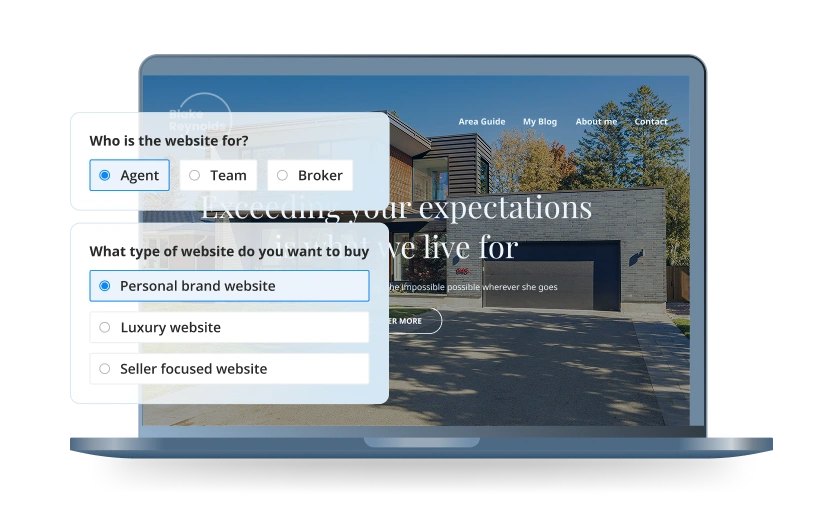
Many new agents assume building a website is slow, expensive, and technical. Placester’s AI website builder makes it quick:
- A professional site in minutes: Answer a few questions, and the builder creates a branded site with your bio, photo, and service areas.
- IDX search and lead capture: Buyers can search listings on your site, and forms and listing alerts collect their contact info.
- Area and market guides: The builder creates neighborhood and market pages for the areas you serve, which help with local SEO.
- Built-in follow-up: A real estate CRM with autoresponders and drip campaigns keeps new leads warm.
Show your site at the interview, and you’ll have a ready answer when the broker asks how you’ll find clients. Start a free trial to build your agent website.
AI Websites for Real Estate
Get a custom, ready-to-edit website
in less than 4 minutes.
Frequently asked questions
What questions are asked in a real estate agent interview?
Most real estate agent interview questions fall into five groups: your motivation and background, how you’ll find clients, how you’ll manage the business side, how you handle people, and ethics and market knowledge. The most common are “Why do you want to be a real estate agent?” “How will you generate leads?” and “How will you support yourself while you build your business?”
Do new real estate agents need to interview with brokerages?
In most states, yes. A newly licensed agent has to work under a sponsoring broker, so you’ll usually interview with one or more brokerages before or right after you pass your exam. Licensing rules vary by state, so check with your state’s real estate commission.
What should I wear to a real estate interview?
Dress one step above what agents in that office wear day to day. For most brokerages, that means business casual or a suit without a tie. Look like someone a client would trust with a big decision.
How many brokerages should I interview with?
Two to four is a good range. That gives you enough offers to compare splits, fees, and training without dragging out the search. Ask each one the same questions so you can compare their answers side by side.
Published on