(800) 728 8391



Quick summary:
- 🔍 IDX turns your website into a live property search platform. Buyers can browse MLS listings without leaving for third-party portals.
- 🧲 A strong IDX setup helps you generate leads. Buyers stay on your website longer and interact with listings more often.
- 🎯 Each IDX platform focuses on a different growth strategy. Some tools prioritize SEO visibility, while others focus on branding or lead automation.
An IDX website gives your real estate business a live property search experience connected to local multiple listing service (MLS) data. Buyers can search active listings directly on your site instead of leaving for third-party portals.
2.4B
Zillow recorded 2.4 billion visits in Q1 2025 alone, even though only around 4 million homes were sold across the entire U.S. in 2024.
Source: The Washington Post
It proves that buyers spend enormous amounts of time browsing listings online. An IDX website helps you capture part of that attention on your own domain instead of losing visitors to Zillow or Realtor.com. Most agents use dedicated IDX platforms to add live MLS search directly to their website without building the entire system from scratch.
Agents often say “IDX websites” when they actually mean the platforms behind them. An IDX website is the final product your clients use. An IDX platform is the software that powers it through MLS integrations and other useful features.
This guide compares the best IDX website builders for real estate agents. Whether you need a simple setup for solo lead generation or a more advanced platform for a growing team, you’ll find the tools worth your attention below.
| Platform | Best for | Pricing | Rating |
|---|---|---|---|
| Placester | AI-assisted website building and simple IDX management | $59–$129/month for agents or $199–$599/month for teams and brokers | 4.9/5 (Google) |
| AgentFire | Hyperlocal SEO and neighborhood-focused content strategy | $700–$6,000 setup plus $149–$199/month | 4.9/5 (Capterra) |
| Real Geeks | PPC lead generation and behavioral lead tracking | $399–$1,799/month | 4.5/5 (G2) |
| Agent Image | Luxury branding and highly customized website design | $2,500–$8,500 setup plus $99/month | 4.9/5 (Google) |
| Showcase IDX | Modern WordPress-based property search experience | $94.95–$124.95/month | 4.9/5 (G2) |
| CINC | High-volume lead management and automated follow-up | Custom pricing | 4.4/5 (G2) |
| IDX Broker | Advanced WordPress customization and SEO flexibility | $60–$199/month | 3.7/5 (G2) |
| Luxury Presence | Premium visual presentation for luxury real estate brands | Custom pricing | 4.3/5 (G2) |
| Sierra Interactive | SEO-driven IDX websites with deep buyer behavior tracking | $299.95–$599.95/month | 4.8/5 (Capterra)* |
What is IDX real estate website?
An Internet Data Exchange (IDX) real estate website pulls active property listings directly from your local MLS and displays them on your own domain through an approved data connection. They update automatically, so buyers see current prices and property details without manual uploads from your side.
A regular real estate website usually works like a digital business card. It may include your bio, contact form, or a few featured listings that you added manually. It doesn’t work like a searchable property database tied to real-time MLS data, however. An IDX website does.
Visitors stay on your website while browsing homes, which gives you more opportunities to capture leads. You can keep buyers engaged with your brand instead of losing them to Zillow or Realtor.com.
The experience feels completely different both for you and for your potential clients. The key IDX website features include:
- Live MLS listing search connected to your local market
- Automatic property updates synced with MLS data
- Advanced search filters based on buyer preferences
- Interactive map search with property pins
- Lead capture forms built into listing pages
- Saved searches with listing alerts
- Mobile-optimized property browsing
- SEO-friendly neighborhood and listing pages
Most agents do not build IDX functionality manually. They use intuitive platforms that already maintain partnerships and technical connections with MLS organizations. Once you join a supported MLS and verify your license, the platform requests IDX approval on your behalf or guides you through the setup process.
After approval, the platform connects your website to MLS data feeds through RETS or newer RESO Web API standards. The tool then formats that data into searchable listing pages and lead capture features, which work inside your website interface.
👉 Get MLS listings on your website step by step.
Why real estate agents need an IDX website
You need an IDX website to turn property search traffic into leads. Without live MLS listings, buyers will leave your website to search elsewhere and eventually connect with another agent. You also cannot maintain a functional listing website manually. Property statuses, prices, photos, and inventory change too quickly. Without IDX integration, keeping listings updated becomes a full-time job that drains time away from actual lead generation and client work.
Here’s what an IDX website helps you do:
⬇️ Keep buyers on your own website
Buyers expect a modern property search experience. When your website includes live MLS listings, visitors spend more time interacting with your brand instead of jumping between different portals. That extra engagement matters because buyers often return to the same search platform many times during their decision process.
33%
33% of buyers said online research played a key role in how they chose their agent.
If your listing search sends them elsewhere, part of that decision may happen away from your brand.
🧲 Generate qualified leads
IDX websites capture signals based on real buyer behavior. Saved searches and viewed properties reveal far more intent than a generic contact form. This gives you a stronger context from the beginning.
73%
73% of customers expect personalized experiences based on their unique needs and expectations.
Source: Salesforce
🔍 Improve your local SEO visibility
IDX pages can help your website rank for location-based property searches. Google rewards domains that regularly publish fresh and relevant pages, which naturally happens when MLS data updates continuously.
564%
In one content refresh case study, updating 21 older articles increased organic traffic by 564% after six months.
Source: Spyfu
🤝 Build trust earlier in the buyer journey
A professional IDX website positions you as an active local expert instead of another agent with a static brochure setup. Buyers can explore listings under your branding from the beginning of their search, which immediately creates familiarity.
7
interactions
Marketing research often references the “Rule of 7,” which suggests that buyers need around seven interactions with a brand before taking action.
Source: University of Maryland
💸 Reduce your dependence on paid lead platforms
Many agents spend heavily on Zillow, Realtor.com, or paid advertising because they lack a strong lead-generation system on their own website. An IDX setup gives you a long-term asset that keeps working even when ad costs increase.
$100.48
The average cost per lead in real estate continues to rise. In 2025, it reached $100.48, up 15.02% compared to the previous year.
Source: WordStream
🤖 Automate part of your follow-up process
Most IDX platforms include CRM integrations, lead routing tools, or automated email alerts tied to saved searches. This keeps buyers engaged between conversations without requiring constant manual follow-up from your side.
3–18
months
Many buyers and sellers take anywhere from 3 to 18 months before making a move, which makes long-term automated follow-up essential.
Source: US Tech Automations
📱 Create a better mobile experience
Mobile traffic dominates real estate search behavior.
70%
70% of buyers use mobile or tablet devices during the home search process.
Modern IDX platforms optimize listing search, map views, and inquiry forms for smaller screens, which directly affects lead conversion rates.
👉 Browse standout websites built for real estate agents.
How to choose the right IDX website
Choose an IDX website platform based on the way you generate business today and the way you want your brand to grow over the next few years.
Many agents start with visual design and pricing, then realize later that the platform limits their SEO visibility or lead management. Your website should support your everyday work. If local SEO drives most of your traffic, pay close attention to neighborhood pages and listing indexation. If you rely on paid ads, focus more on lead capture flows and CRM automation.
MLS compatibility should be your first technical check. Some IDX providers support only selected MLSs or require additional setup depending on your market. It’s also good to look at listing refresh frequency because outdated inventory damages trust quickly.
The search experience deserves just as much attention as the homepage design. Buyers expect fast map search, responsive filters, and smooth mobile navigation. A slow interface pushes visitors back to Zillow within seconds.
You should also think carefully about ownership and flexibility. Some platforms keep part of the lead ecosystem inside their own network. Others give you direct control over contact data, email workflows, and long-term SEO growth. That difference becomes important once your website starts generating consistent traffic.
Choose a platform that scales with your business. Migrating an established IDX website later can become expensive because your indexed pages and lead workflows often depend on the provider’s infrastructure.
When choosing an IDX website, consider features such as:
- MLS support in your target market
- Built-in CRM functionality
- Flexible branding options
- Listing behavior tracking
- Marketing integrations
- AI-assisted content tools
- Brokerage management support
- Transparent pricing structure
👉 Compare the best website builders for real estate agents.
9 best IDX websites compared
The IDX tools below solve very different business needs, which is why it makes sense to compare their features carefully before making a decision. In each review, you’ll see the platform’s core functionality, pricing structure, major advantages, and potential limitations. Use this comparison to narrow your options faster and find an IDX website that fits your real estate business.
1. Placester
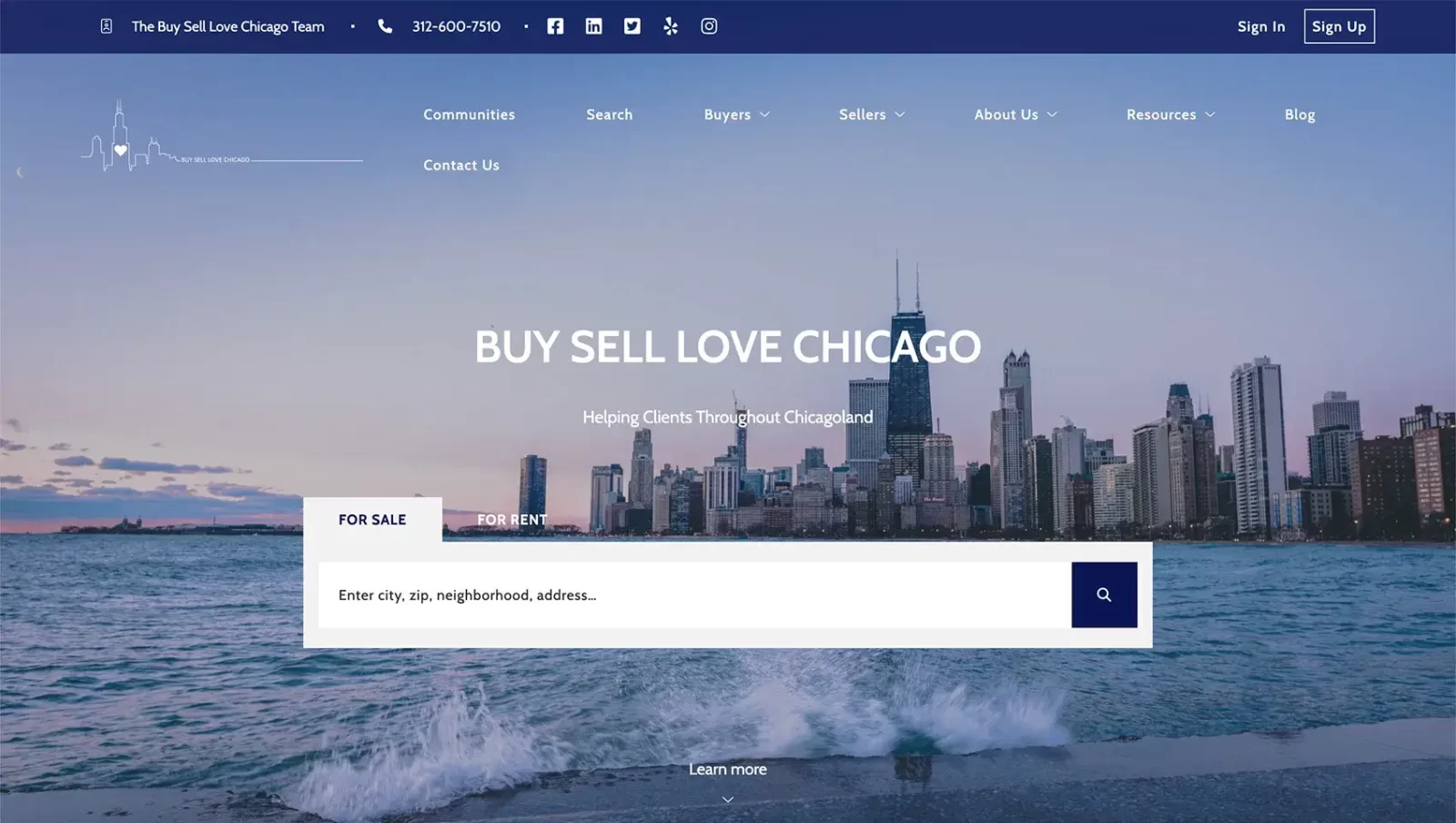
Placester targets agents who want a professional IDX website without getting stuck in technical setup for weeks. The platform simplifies tasks that normally require outside help or custom development. You can launch your site much faster than with a traditional WordPress-based configuration.
Placester gives you two different ways to build your website, depending on how involved you want to be in the process. You can generate an AI-based draft using information about your business, then refine the content through custom prompts directly inside the editor. If you prefer more control from the beginning, you can start with one of the ready-made real estate templates and customize it manually.
Placester also puts unusual focus on helping agents maintain their online presence after launch. Many real estate websites slowly die because nobody updates neighborhood content or expands local pages consistently. Placester solves that problem through built-in AI writing assistance tied directly to the website editor.
Placester’s key features:
- IDX property search with MLS integration
- AI-powered website builder
- SEO-ready neighborhood pages
- Built-in CRM functionality
- Lead capture popups and landing pages
- AI-assisted website content tools
- Mobile-friendly property search
- Custom branding options
- Team and brokerage website support
- Marketing integrations with Google and Facebook
Placester’s pros and cons:
| Pros | Cons |
|---|---|
| Easy setup process for non-technical agents and brokers | Some marketing automation features feel more website-oriented than sales-oriented |
| Professional templates designed for real estate | Some larger teams may outgrow the built-in CRM over time |
| Strong IDX search experience with mobile optimization | The platform prioritizes ease of use over developer-level flexibility in some areas |
| Built-in CRM reduces the need for additional software | Deep customization outside the platform ecosystem can take extra work |
| AI-powered website builder and content creator |
Pricing: $59–$129 per month for agents or $199–$599 per month for teams and brokers (billed monthly)
Rating: 4.9/5 (Google)
2. AgentFire

AgentFire feels much closer to a semi-custom real estate marketing website than a typical IDX template platform. The company built its reputation around highly localized SEO structures designed specifically for agents who want to dominate niche searches inside a single market. Instead of pushing you toward generic listing pages, AgentFire encourages you to create hyperlocal content around neighborhoods.
The platform makes the most sense for agents who treat SEO as a long-term lead generation strategy rather than a secondary marketing channel. AgentFire gives you much more control over website architecture than many simpler IDX builders. The design system also feels more flexible visually, which appeals to agents trying to avoid the “cookie-cutter IDX website” look common across the real estate industry.
AgentFire’s key features:
- Hyperlocal SEO page builder
- IDX property search with MLS integration
- Neighborhood guides and local content tools
- Custom landing pages for niche audiences
- Visual website customization tools
- Lead capture forms connected to listings
- Blog and content marketing support
- CRM integrations
- Mobile-friendly IDX experience
- Built-in review and testimonial features
AgentFire’s pros and cons:
| Pros | Cons |
|---|---|
| Strong hyperlocal SEO capabilities | Advanced customization takes more time during onboarding |
| Flexible design system with fewer template limitations | Some agents may prefer a simpler out-of-the-box experience |
| Powerful neighborhood page structure | Full platform potential becomes clearer after initial learning |
| Helpful support team praised in user reviews | Smaller agents may not use every advanced feature available |
| Good fit for long-term organic lead generation |
Pricing: $700–$6,000 setup fee and $149–$199 per month (add-ons cost extra)
Rating: 4.9/5 (Capterra)
3. Real Geeks
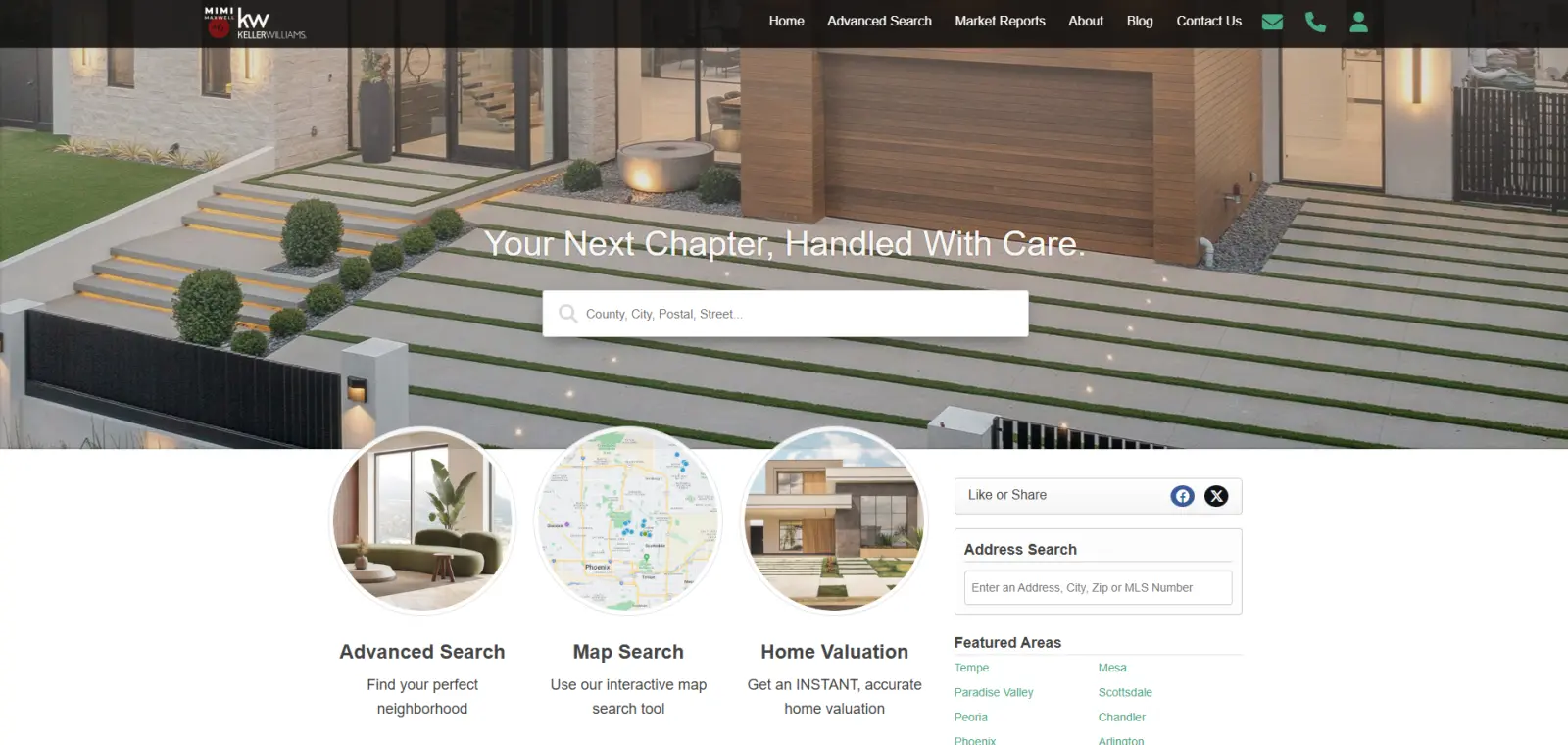
Real Geeks became especially popular among agents running aggressive online marketing campaigns. It keeps the path from ad click to conversation extremely short. The CRM tracks how visitors interact with listings on your website and automatically turns that activity into lead data.
This tight connection between website activity and lead follow-up became one of Real Geeks’ biggest strengths long before behavioral tracking became a standard talking point across the industry. You can also see that philosophy in the platform’s overall design choices. It doesn’t try to impress you with flashy visuals. The system focuses much more heavily on conversion behavior tied directly to listings and search activity.
Key features of Real Geeks:
- IDX property search with MLS integration
- Built-in real estate CRM
- Behavioral lead tracking
- Automated follow-up workflows
- Home valuation landing pages
- Facebook lead generation tools
- Google PPC integration support
- SMS and email drip campaigns
- Mobile-friendly IDX pages
- Team lead routing
Pros and cons of Real Geeks:
| Pros | Cons |
|---|---|
| Strong lead generation focus | Website design flexibility feels more limited than some newer platforms |
| CRM stays closely connected to IDX activity | Interface prioritizes functionality over premium visual presentation |
| Effective automation tools for follow-up | Advanced visual customization may require additional support |
| Good fit for PPC-driven lead generation | SEO structure feels less content-focused than hyperlocal platforms |
| Frequently praised support and onboarding experience |
Pricing: $399–$1,799 monthly (with 12-month contract)
Rating: 4.5/5 (G2)
4. Agent Image
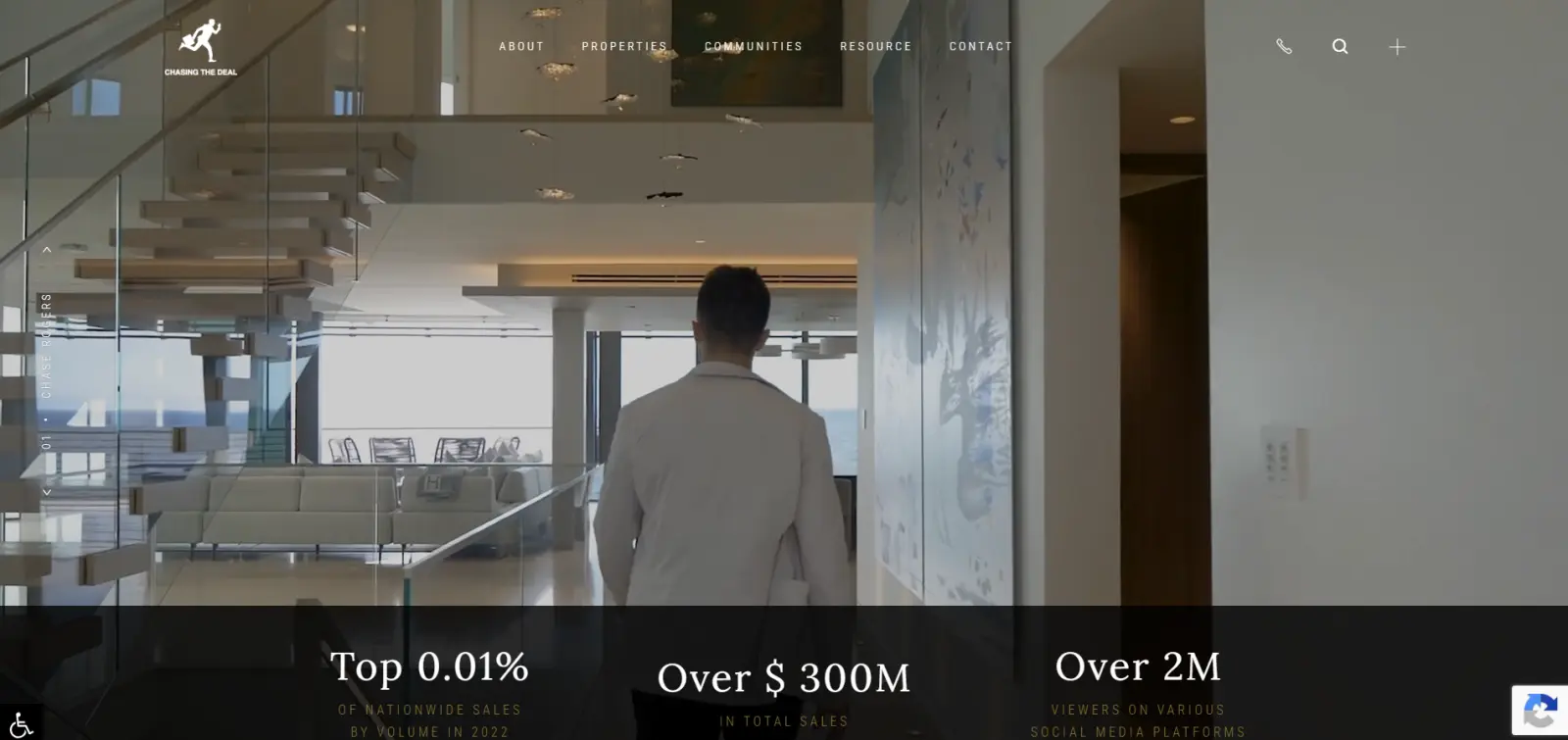
Some real estate websites immediately feel interchangeable. Agent Image answers that problem. The platform became known for building websites that look closer to luxury lifestyle brands than traditional IDX pages filled with generic templates and stock layouts. You notice that difference quickly when browsing agent portfolios built with Agent Image.
This approach works especially well in competitive markets where branding affects perceived value just as much as listings themselves. Established brokers and high-end teams often use Agent Image to create a stronger digital identity around their business.
Agent Image’s key features:
- Custom-designed IDX websites
- Luxury-focused website branding
- MLS-integrated property search
- Mobile-responsive layouts
- SEO-ready page structure
- Neighborhood content support
- Lead capture tools
- WordPress-based website management
- Custom landing pages
- Digital marketing services
Agent Image’s pros and cons:
| Pros | Cons |
|---|---|
| Highly customized website appearance | Premium customization increases project cost |
| Strong fit for luxury branding | Launch timelines can become longer for custom projects |
| More visually distinctive than many IDX competitors | Some advanced changes may require agency involvement |
| Responsive support experience mentioned in reviews | Less focused on DIY simplicity |
| Flexible design approach for established teams | Best value appears in higher-end branding strategies |
Pricing: $2,500–$8,500 setup plus $99/month and IDX-related costs
Rating: 4.9/5 (Google)
5. Showcase IDX
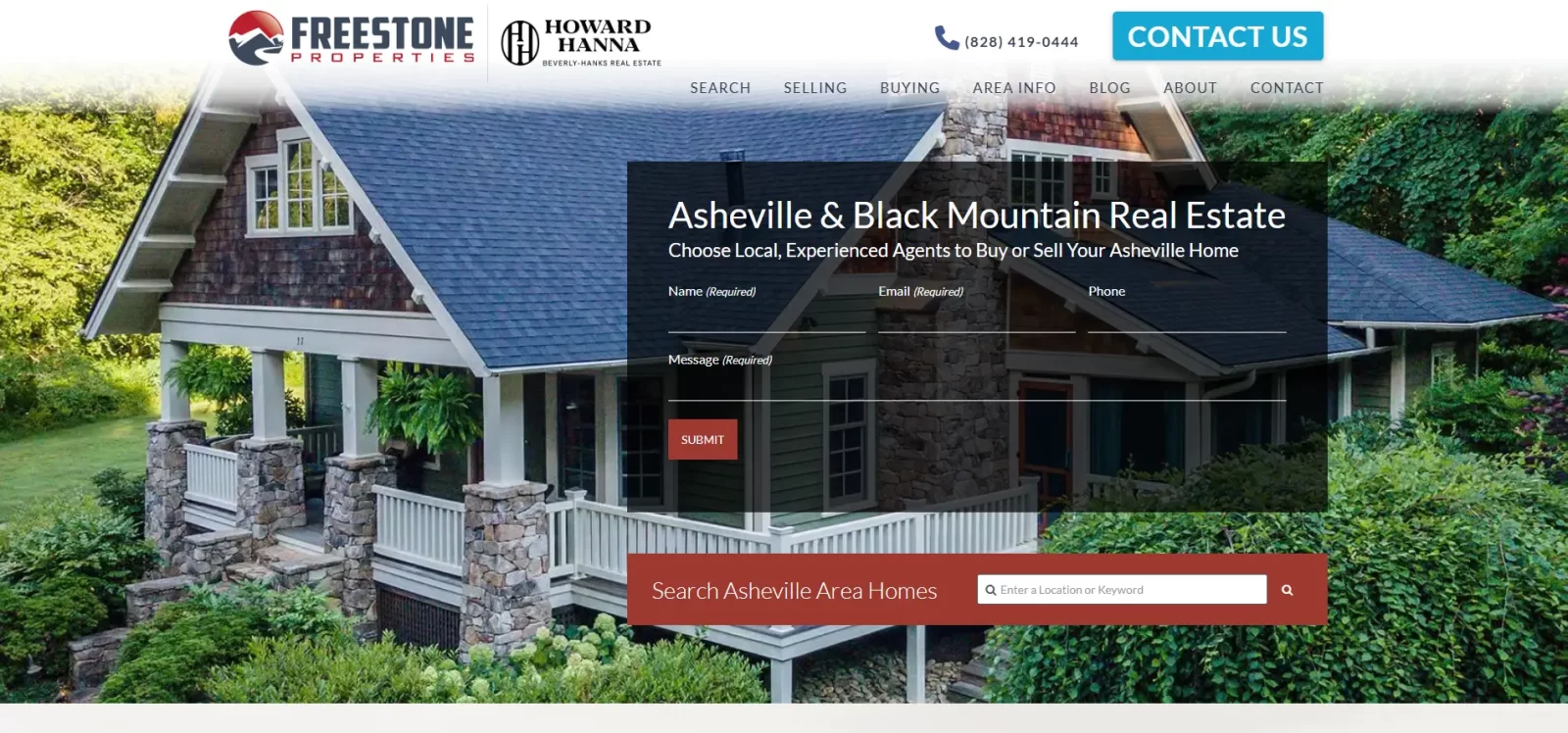
Showcase IDX focuses heavily on WordPress flexibility instead of trying to replace your website ecosystem completely. The platform works like a deeply integrated search layer added directly into your existing WordPress setup. That becomes especially useful when you have already invested in your current website and do not want to start over inside a completely separate tool.
Many agents choose Showcase IDX specifically because it feels closer to a modern web product than a traditional IDX plugin.
The search experience also feels unusually polished compared to many older IDX systems built around clunky filters and outdated layouts. Showcase IDX puts strong emphasis on map interaction, property recommendations, and behavior-driven browsing. That makes it especially appealing for agents who already understand content marketing or local SEO and simply need a more advanced IDX layer inside WordPress.
Showcase IDX’s key features:
- WordPress-native IDX integration
- MLS-connected property search
- Interactive map search
- Mobile-optimized listing pages
- Saved searches and property alerts
- Visitor behavior tracking
- SEO-friendly listing pages
- Custom property recommendation tools
- Lead capture connected to IDX activity
- CRM integration support
Showcase IDX’s pros and cons:
| Pros | Cons |
|---|---|
| Strong fit for WordPress-based websites | Works best when you already manage a solid WordPress setup |
| Modern property search experience | Advanced customization may depend on WordPress knowledge |
| Cleaner interface than many legacy IDX plugins | Some features rely on external integrations |
| Good balance between flexibility and usability | Less focused on complete brokerage infrastructure |
| Frequently praised ease of integration | Requires more hands-on website management than hosted platforms |
Pricing: Starting at $94.95–$124.95 monthly
Rating: 4.9/5 (G2)
6. CINC
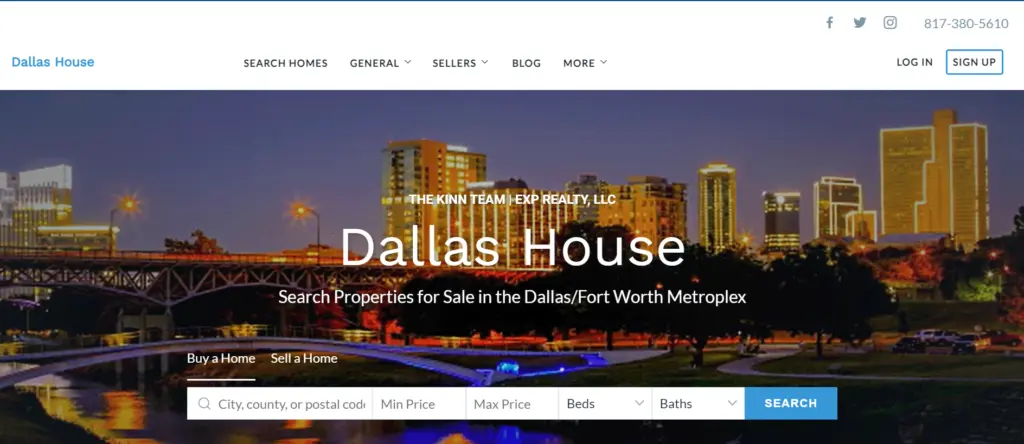
A lot of IDX platforms still assume the website itself is the product. CINC treats it more like the starting point of a much larger sales process. The moment someone begins interacting with listings, the platform starts building a picture of how serious that buyer might be. Over time, it creates a very different workflow from the typical “new lead notification” approach that many agents still rely on.
CINC works particularly well for teams that already generate consistent traffic and now struggle more with lead organization than lead volume itself. It delivers the most value when you actively commit to its process instead of using it only as a basic IDX website.
CINC’s key features:
- IDX property search with MLS integration
- AI-driven lead scoring
- Built-in CRM with behavioral tracking
- Automated lead nurturing workflows
- PPC lead generation support
- Team lead routing tools
- Mobile app for agents
- Smart property recommendations
- Text and email automation
- Pipeline management dashboards
CINC’s pros and cons:
| Pros | Cons |
|---|---|
| Strong lead management infrastructure | Platform complexity creates a longer onboarding process |
| Advanced automation tied to buyer behavior | Smaller agents may not use the full system potential |
| Well-suited for high-volume lead generation | Monthly pricing sits above many simpler IDX platforms |
| CRM remains tightly connected to IDX activity | Works best with an active follow-up strategy |
| Reliable support and coaching resources | Interface feels more operational than design-focused |
Pricing: Available on request
Rating: 4.4/5 (G2)
7. IDX Broker
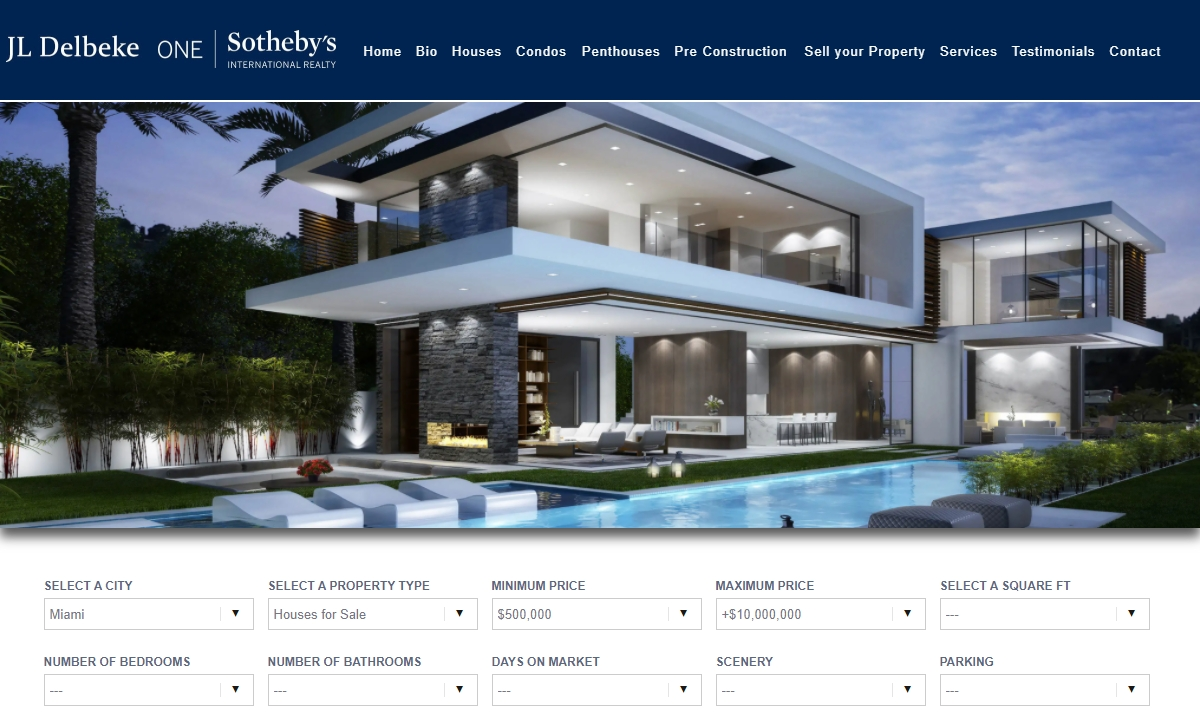
If you have already spent months building your real estate website, you don’t need an IDX platform that forces you to throw everything away and start over inside another closed system. IDX Broker isn’t that kind of a tool. Instead of replacing your setup, it plugs directly into it and gives you much more freedom over how listings appear across your pages.
That is one reason the platform became so popular among WordPress users and real estate SEO specialists. You can shape the IDX experience around your own strategy instead of rebuilding your marketing around the platform’s limitations.
The tradeoff is obvious, though. This platform expects you to stay involved. You will get much more control than with simpler IDX builders, but you will also spend more time handling website configuration.
IDX Broker’s key features:
- MLS-connected IDX property search
- WordPress integration through the IMPress plugin
- Customizable search widgets
- SEO-friendly listing pages
- Interactive map search
- Polygon search tools
- Saved searches and listing alerts
- API access for custom development
- CRM integration support
- Broad MLS coverage across U.S. markets
IDX Broker’s pros and cons:
| Pros | Cons |
|---|---|
| Deep customization flexibility | Requires a more hands-on setup process |
| Strong fit for advanced WordPress websites | Interface feels less modern than newer hosted builders |
| Broad MLS compatibility across many markets | Full potential often depends on technical knowledge |
| Useful API access for custom workflows | Website management stays largely in your hands |
| Popular among SEO-focused real estate marketers | Some advanced changes may require developer support |
Pricing: Starting at $60–$149 for agents, $80–$169 for teams, and $110–$199 for offices
Rating: 3.7/5 (G2)
8. Luxury Presence

If you work in the premium segment, Luxury Presence feels like a very natural choice from the moment you open the first demo website. The platform stands out because it treats presentation as part of the sales strategy itself.
Its biggest strength comes from the way it combines large-format visuals with layouts designed to slow visitors down and keep attention focused on the property and your brand. That creates a very different impression from the fast-moving, portal-style experience common across many IDX websites.
Luxury Presence also helps protect the image you build around your business. The websites immediately communicate what type of clients you work with and what level of properties you represent. Why is it important? Because luxury sellers often judge your positioning long before the first conversation happens. A polished presentation increases the chances that high-value clients will see you as someone operating at the right level of the market.
Key features of Luxury Presence:
- Luxury-focused IDX websites
- High-end visual website design
- MLS-integrated property search
- Personal branding tools
- SEO support for luxury markets
- Mobile-optimized property pages
- Video and editorial-style content support
- Lead capture functionality
- CRM and marketing tools integrations
- Custom design services
Pros and cons of Luxury Presence:
| Pros | Cons |
|---|---|
| Visually distinctive luxury presentation | Premium positioning comes with higher pricing |
| Strong branding experience for high-end agents | Less focused on low-cost DIY workflows |
| High-quality onboarding support | Design process involves more collaboration |
| Polished mobile experience | Best suited for agents investing heavily in branding |
| Premium look and feel tailored to luxury markets | Smaller agents may not need the full presentation layer |
Pricing: Available on request
Rating: 4.3/5 (G2)
9. Sierra Interactive
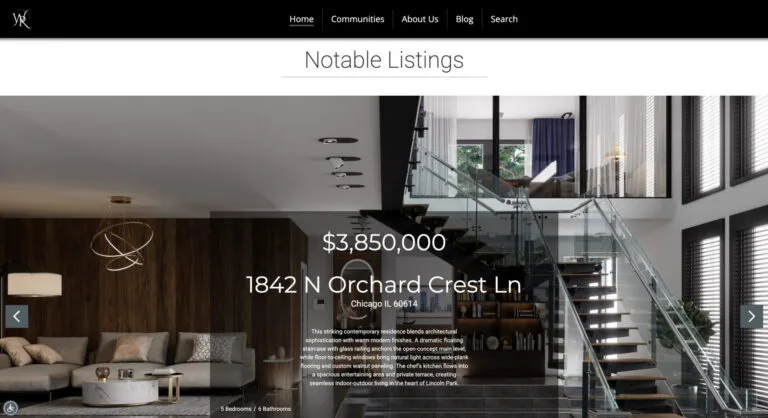
Sierra Interactive works especially well once your website starts bringing in more leads than you can comfortably track by hand. The platform constantly watches how buyers behave on your website and helps you spot the moment casual browsing turns into serious intent.
Someone suddenly comes back every evening to check listings in the same neighborhood? Sierra notices that immediately. That gives your team a much better chance of reaching buyers while they are actively making decisions.
The website itself also feels built for long-term visibility in Google rather than quick-win lead capture tricks. Sierra gives you far more control over how listings appear in search results and how local pages are structured around specific markets. That becomes extremely valuable if you care about SEO and want your website to attract buyers organically. Some real estate teams even migrate from heavily customized WordPress setups because Sierra handles listing indexation and search performance more effectively at scale.
Key features of Sierra Interactive:
- IntelliSearch hyperlocal SEO pages
- IDX property search with MLS integration
- Built-in CRM with behavioral tracking
- Reverse prospecting tools
- Automated lead nurture workflows
- Integrated dialer with voicemail drop
- Bulk texting functionality
- PPC campaign support
- Real-time lead activity alerts
- Large integration ecosystem
Pros and cons of Sierra Interactive:
| Pros | Cons |
|---|---|
| Strong operational tools for large lead pipelines | Platform requires active process management |
| Deep behavioral tracking tied to IDX activity | Visual customization feels secondary to performance features |
| Hyperlocal SEO functionality through IntelliSearch | Small teams may not fully utilize the infrastructure |
| Integrated dialing and texting workflows | Higher pricing than simpler IDX website builders |
| Fast IDX performance built for PPC traffic |
Pricing: Starting at $299.95–$599.95 per month (billed annually)
Rating: 4.8/5 (based on 5 Capterra reviews)
How to set up an IDX platform for real estate agents
To set up an IDX platform, choose a provider that supports your MLS and connect the feed to your website. The listings won’t appear automatically, though. Your MLS needs a secure way to share property data with the IDX provider first.
Most modern platforms now use RESO Web API, which became the industry standard for faster and more reliable MLS data delivery. Some older systems still rely on RETS feeds developed years ago. You usually do not need to configure those connections manually, but the technology behind them affects how smoothly your IDX website works in daily use.
Check how to set up your IDX website step by step:
1️⃣ Confirm your MLS access
Start by checking whether your MLS allows IDX display for agents. Many MLSs require you to be an active member in good standing before you can display listing data on your website.
2️⃣ Get broker authorization
If you work under a brokerage, your broker usually needs to approve the IDX connection before the MLS can activate it. Most IDX providers handle this process for you and send the authorization request directly to the broker.
3️⃣ Wait for MLS approval
After the broker approves the request, the MLS reviews the connection and activates the data feed for your website. This step can take anywhere from a few days to a couple of weeks. During that time, the MLS verifies whether the platform follows its listing display rules and data policies.
4️⃣ Connect the MLS feed to your website
Once the MLS activates the connection, your IDX provider can start pulling listing data directly into your website. Hosted platforms usually handle this part automatically in the background. WordPress-based solutions often require a more manual setup process before listings appear correctly across your pages.
5️⃣ Configure an engaging search experience
Do not overload your search app during setup. Most buyers start with only a few preferences, so the first screen should focus on location and price range before exposing more advanced filters. You also need to pay close attention to mobile navigation because most property searches now happen on phones.
6️⃣ Build local landing pages
Create pages for the cities, neighborhoods, or property types you want to target. These pages give your IDX website a stronger SEO structure and help buyers start their search from a specific local need.
7️⃣ Connect lead capture to your CRM
Most IDX platforms covered in this guide come with their own lead management system. If your business relies on another solution and you do not want to migrate your contacts, connect it to the IDX website through a native integration or a tool like Zapier. This setup helps you capture more leads automatically whenever buyers interact with listings.
👉 Explore the top CRM tools for real estate agents.
8️⃣ Test listings before launch
Check the home search experience on both desktop and mobile devices before making the website public. Verify that it displays up-to-date listings because even small problems quickly damage trust. You should also test how quickly buyers can move from viewing a property to contacting you through the website.
9️⃣ Monitor website performance
Watch how visitors move through your listing pages during the first weeks after launch. If buyers leave the website quickly or rarely return to saved searches, the browsing experience probably needs adjustment. You can also monitor which pages attract the most organic traffic because that data often reveals new neighborhood or property topics worth expanding.
Launch your IDX site with Placester
An IDX website is a real estate tool that helps you display live MLS listings directly on your own domain and generate leads through built-in search functionality. The product recommendations above cover very different business models, which makes it much easier to find a solution that matches the way you work as an agent or Realtor. If you want the safest starting point for most real estate businesses, Placester stands out thanks to its intuitive setup process and AI-assisted website creation.
FAQ
What is the best IDX plugin for WordPress?
The best IDX plugins for WordPress include Showcase IDX, IDX Broker, and iHomefinder. Showcase IDX stands out for its modern search experience and cleaner interface, while IDX Broker gives you deeper SEO flexibility and more advanced customization options. Agents who want a simpler setup process often prefer iHomefinder because it handles much more of the IDX configuration automatically.
Are there any free IDX platforms?
Completely free IDX platforms are extremely rare because MLS integrations require licensing agreements, data infrastructure, and ongoing maintenance. Some providers offer free trials or limited starter plans, but most serious IDX tools charge a monthly fee once the MLS connection becomes active. You should also remember that some MLSs charge additional data access fees on top of the platform subscription.
What are the best IDX and lead generation tools for new agents?
Placester is one of the strongest starting points for new real estate agents because it combines IDX search, lead capture, and website management inside an easy-to-manage system. Real Geeks also works well if you plan to rely heavily on Facebook Ads or Google PPC from the beginning. If long-term SEO matters more to you, AgentFire offers stronger tools for building hyperlocal neighborhood content.
How do you create an IDX real estate website?
With Placester, the process starts by connecting your MLS through the platform’s built-in IDX integration. After your broker and MLS approve the connection, Placester pulls live listing data directly into your website. The platform can then generate your first website draft with AI based on information about your business, which you later refine through prompts and manual edits. If you prefer more control from the beginning, Placester also includes ready-made real estate templates that you can customize yourself.
Are IDX and MLS the same thing?
No. MLS is the database where agents share property listings with other licensed professionals. IDX is the technology that allows approved MLS listings to appear publicly on real estate agent websites through a controlled data connection.
How much does IDX cost per month?
IDX pricing usually starts around $60 per month for simpler WordPress-based solutions. Placester is a notable exception because it combines IDX functionality with AI-assisted content creation and CRM tools while still starting at $59 per month for agents. Other platforms like this usually cost significantly more. Their pricing often starts around $300 per month and can climb into the thousands for team or brokerage-level setups.
Published on
(Last updated on
)