 (800) 728 8391


Updated on
15 Real Estate Branding Ideas to Grow Visibility and Trust
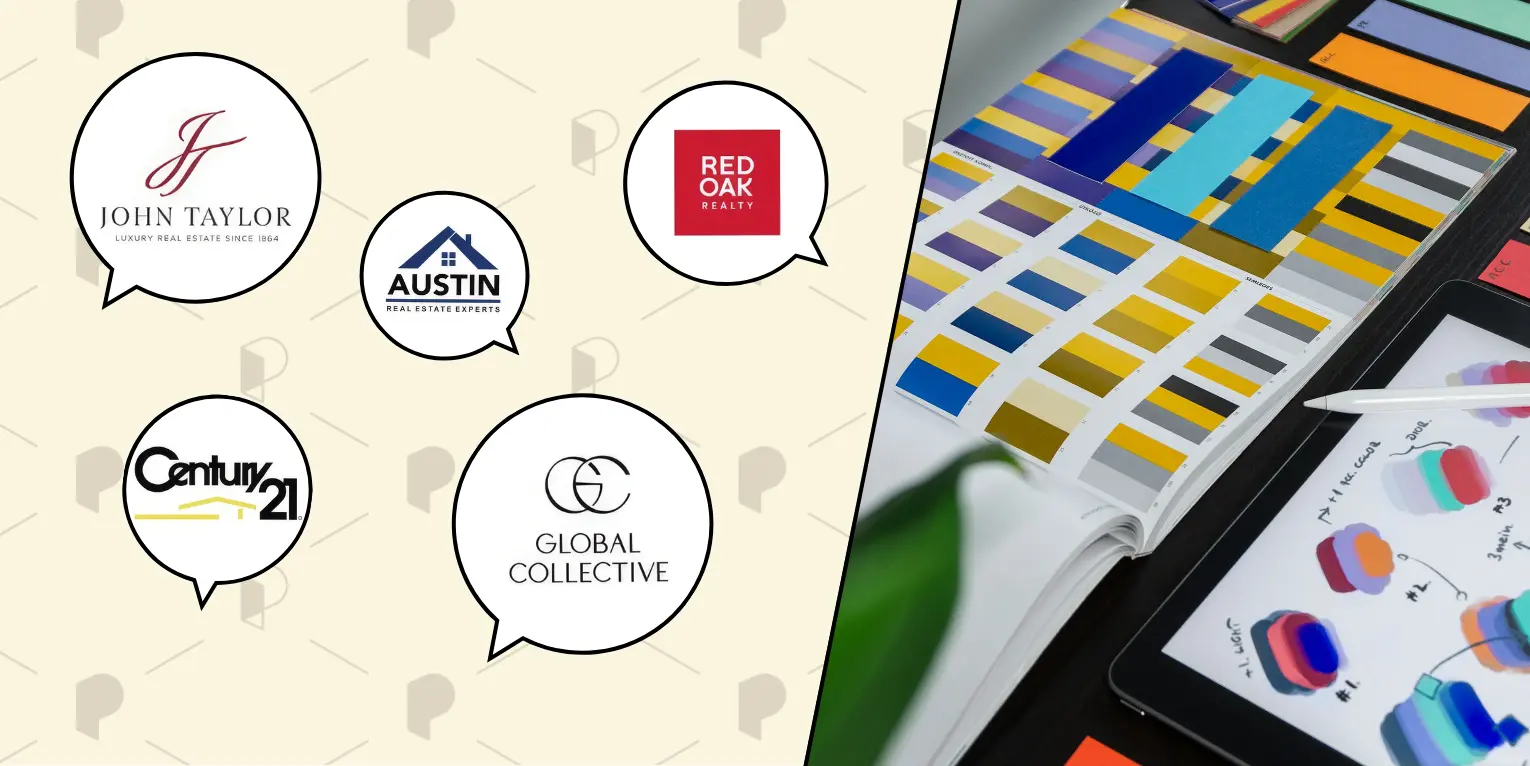
You’ve seen it yourself—buyers search for homes online before they’ll even pick up the phone. For 88% of them, brand trust is just as important as price and quality, according to Edelman. That trust piece? It’s branding at work.
In this article, I’ll show you 15 tested branding moves to build real, lasting trust. You’ll learn how to make your online reviews shine. How to showcase your unique personality. How to use video, social media, and authentic content to stand out.
You’ll skip the fluff. Each idea gives you a clear action you can apply today.
What is branding in real estate?
Branding in real estate is the way you present your business so clients know who you are, what you stand for, and why they should trust you. It’s the full picture of your identity—not just a logo or a catchy slogan.
Think of branding as the story your business tells at every touchpoint. Your name, logo, and tagline matter, but so do your website design, social media posts, email tone, and even how you answer the phone. Every detail shapes how clients and customers see you.
Strong branding sets expectations. It tells potential buyers and sellers what kind of experience they’ll have when they choose you. Maybe it’s your deep knowledge of luxury homes. Maybe it’s your hands-on support for first-time buyers. Whatever your niche, branding makes that clear.
Branding builds recognition and trust. Clients remember you because you feel familiar, consistent, and reliable. And when they feel that trust, they’re more likely to pick up the phone and call you instead of the agent down the street.
Effective real estate branding highlights:
- Your niche and specialty
- Your unique personality and approach
- The services that set you apart
- Your knowledge of the market
- The value you bring clients

Why is real estate branding important?
Real estate branding matters because it builds trust, attracts the right clients, and helps you close more deals faster.
Here are key benefits of a strong real estate brand:
Builds trust fast
Buyers prefer brands they recognize. In fact, 59% of consumers prefer to buy from familiar brands, even before the first call. That means when your name, colors, and tone feel consistent, clients feel more at ease right away. Memorable brands get repeat referrals and more forgiveness when mistakes happen.
Attracts better leads
Branded listings catch more eyes. That means you can spend less time chasing cold leads and more time closing deals. Strong brand identity works like a magnet. Your visuals, tone, and marketing materials show if you’re the kind of expert your target audience is looking for.
Lets you charge more
A distinct, meaningful brand lets you stop competing on price alone. When potential clients trust your quality, they’re ready to pay a premium for your services.
A Savills report shows that branded residences sell for an average of 30% more than similar non-branded properties. This highlights how buyers increasingly value luxury, quality, and exclusivity in real estate.
Builds a long pipeline
Branding turns one-off clients into lifetime sources of business. When your message and service match, clients remember you and recommend you. The most successful luxury agents set the standard here. Those with a strong brand presence report higher client retention rates and more referrals.
Boosts marketing ROI (return on investment)
Loyal clients already trust your brand, so they are likely to buy again and respond to upsells. That trust reduces the effort and cost needed to convince them. Retention becomes smarter and more profitable strategy than constantly pursuing new prospects.
Keeping existing clients is far cheaper and more effective than chasing new ones. This makes branding a source of tangible returns. A strong brand converts better, so every dollar you spend on marketing works harder.
According to data put together by DemandSage, retaining customers costs 5× less than acquiring new ones. Boost retention by just 5%, and profits can jump 25–95%. Plus, selling to an existing client succeeds 60–70% of the time, compared to 5–20% for new prospects.
15 Real Estate Branding Ideas (& Examples)
Every agent, REALTOR, and broker has a story to tell—and your brand is how you shout it from the rooftops. In this section, you’ll discover 15 real estate branding ideas—each designed for a specific role. These tips include detailed examples you can swipe, adapt, and put into action.
How do you brand yourself as a real estate agent?
You brand yourself as a real estate agent by creating a consistent presence with your website, social media, logo, and tagline. When all parts align, your personal brand feels authentic and appealing to customers.
1. Find a real estate niche
Your niche defines where you stand out. Don’t try to serve everyone—pick the type of properties you know best and focus on becoming the go-to expert there.
Think beyond broad categories. You can go for:
- Luxury estates
- First-time homes
- Urban condos
- Suburban houses
- Rural acreages
- Vacation properties
- Commercial spaces
Each type of property attracts a unique audience and demands a different branding approach.
Once you pick a niche, tailor everything to speak directly to that audience. It will include your website, marketing materials, social media, and messaging, among others.
Expert tip: Emerging U.S. niches include institutional rental housing, sustainable developments, and smart homes. They all meet changing buyer preferences and adapt to economic shifts. Positioning yourself in one of these niches now can give you a competitive edge.
2. Create professional logo
Real estate logo is the face of your brand. It’s often the first thing clients notice, and it shapes how they perceive your expertise and credibility. A polished, visually appealing logo instantly communicates professionalism and builds trust.
Keep your design simple and memorable. Use clean fonts and a clear icon that reflects your niche. Avoid cluttered details that get lost on business cards or social media. Every element should reinforce your brand identity.
Color matters. Choose shades that match your personality and the market you serve. Luxury homes might call for elegant, muted tones. First-time buyer services, on the other hand, can use approachable, friendly colors. Make sure your logo looks great in both large formats and small ones.

Invest in a custom design from a skilled graphic designer rather than relying on templates. A professional designer can translate your niche, style, and values into a unique visual mark. This ensures your logo stands out in a crowded market and feels authentic to your brand.
Data collected by Cropink shows that 75% of consumers recognize a brand by its logo and see it as key to building trust. Meanwhile, 60% avoid brands with unattractive logos.
3. Craft a brand tagline
To build brand awareness you need a catchy tagline. It tells clients what makes your services different from other real estate agents. A strong tagline builds recognition and connects emotionally with your target audience.
Keep it short and memorable—usually 2 to 6 words. Focus on what defines your niche, approach, or expertise. It should inspire clients and speak directly to their needs. Here are some examples of real estate branding slogans:
- “Turning keys into memories”
- “Guiding you home, every step”
- “Making real estate personal”
The true value of a tagline is helping to complete, wrap up, or make sense of a story or series of stories. A good tagline creates a greater world that the campaign lives in, connecting and unifying it under one brand umbrella.
4. Design your own website
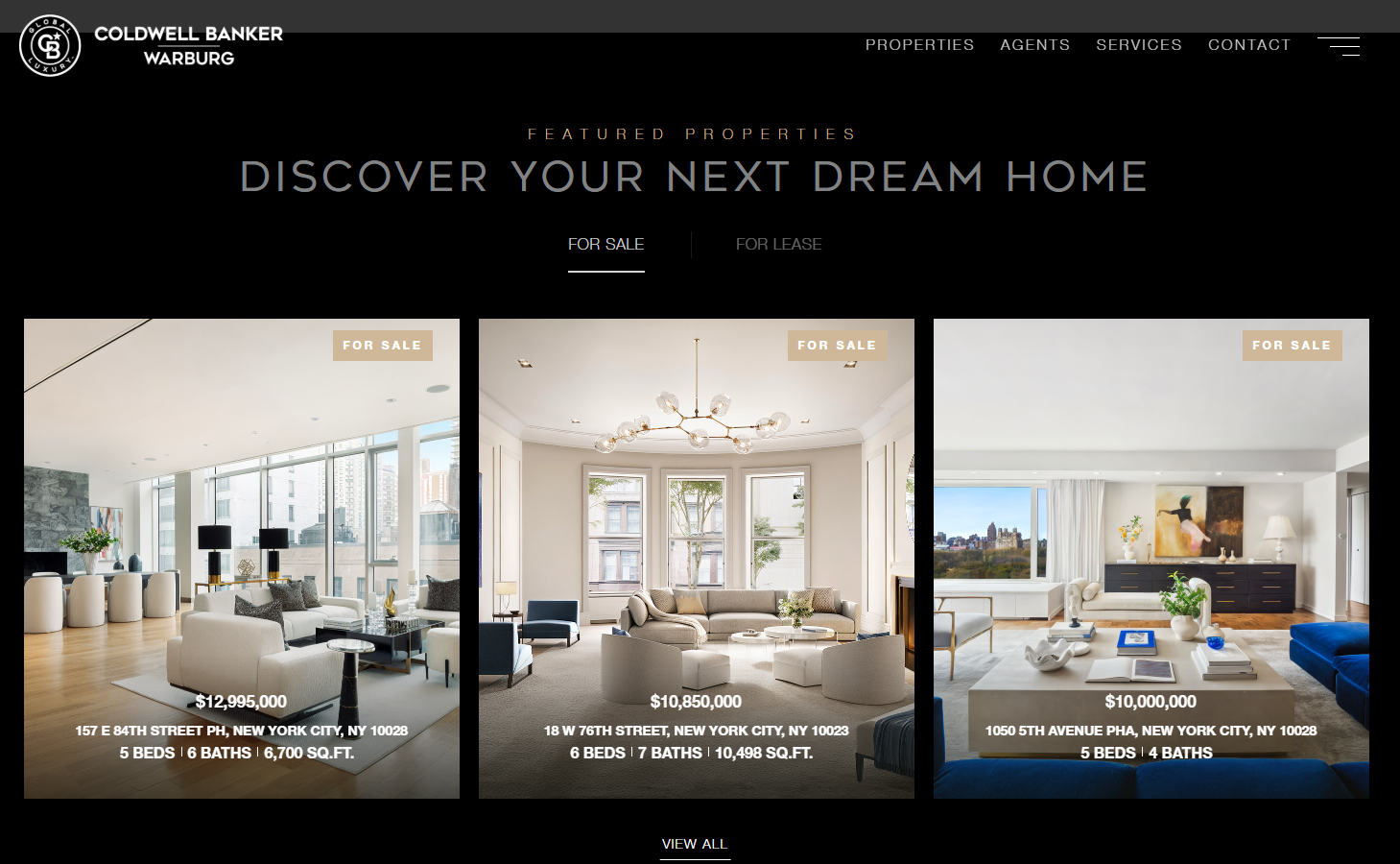
First impressions happen online. Many buyers will judge your professionalism the moment they land on your website. A sleek layout, sharp photos, and easy navigation signal trust right away.
A polished design is only the starting point. Consumers won’t stay on your site if it loads slowly or looks broken on mobile. You should take care of technical issues and a positive user experience.
Consider SEO as another part of your website’s foundation. Clear page titles, a memorable domain name, and keyword-rich content help prospects actually find you online. Pair that with a blog covering local insights, and you’ll build authority in your market.
And don’t forget lead capture. Forms, live chat, and calls to action make your site an effective pipeline for new clients.
Expert tip: If building a website from scratch feels overwhelming, Placester gives you a head start. It offers real estate–ready templates, IDX integration, and lead capture features. You can use it to boost brand recognition and win clients.

5. Build social media presence
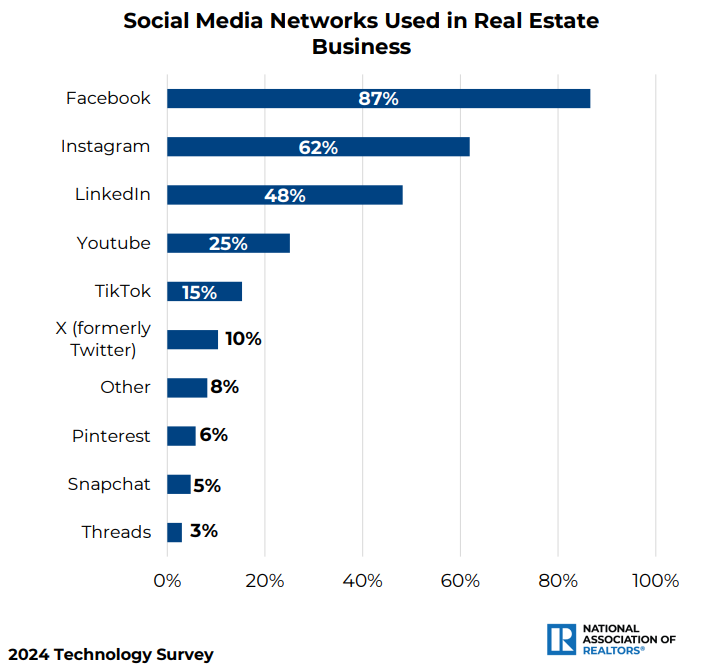
Solid social presence is a key for ongoing success. Pick the right channels, post smart, and mix organic content with paid campaigns. Each social media channel serves a different purpose, reaching its own audience:
- Facebook is still the most versatile platform for the real estate businesses. It works well for both personal branding and promoting listings. Organic content like neighborhood tips or client stories builds trust with your community. Paid ads, on the other hand, allow you to target specific recipients.
- Instagram is highly visual, making it ideal for property branding. Stories and reels show your personality and spark quick engagement. Carousel posts let you share a fuller story about each home. Paid campaigns increase the reach of your real estate Instagram account, especially among younger buyers who search for real estate on mobile.
- LinkedIn positions you as a professional. It’s the right place for building referral networks and attracting high-value clients. Regular organic posts on market insights or industry news show your authority.
- TikTok continues to grow as a discovery channel. Quick tips and creative property tours can go viral and drive massive reach. Paid promotions expand that reach even further, especially to first-time homebuyers and Gen Z renters.
- YouTube works best for long-form content. Think neighborhood guides, Q&A sessions, or property walk-throughs. Consistent posting improves SEO and establishes you as a go-to resource.
To make it work, keep this social media principle in mind: consistency. Your brand should look and sound the same across every social media platform. This way, wherever consumers see you, they instantly recognize your brand.
Social media is one of the most powerful lead sources in the real estate industry. According to NAR, in the past year, social platforms brought the highest number of quality leads to 52% of agents.
How do you make branding for REALTORS?
To build branding as a REALTOR, define your values, craft visual identity, and collect client testimonials. Strong brand image underscores the professional edge REALTORS have over non-member agents.
1. Define your brand values
Without clear values, your brand feels generic and forgettable. They should tell customers what you stand for as a REALTOR.
Start by asking yourself what matters most to you and your clients. Maybe it’s honesty, local expertise, innovation, or relentless follow-through. Pick 3 to 5 core values that feel authentic. These should reflect both your professional standards and personal approach.
Your brand values also set REALTORS apart from agents who only meet the licensing minimum. As a member of NAR, you already commit to its Code of Ethics. Building on that with your own values gives clients another reason to choose you over someone else.
Values also form the foundation for your mission and vision. A clear mission tells clients why you do what you do. A vision shows them where you’re heading. Together, they turn abstract terms into a brand story people can connect with.
If people believe they share values with a company, they will stay loyal to the brand.
2. Select brand colors, fonts, and icons
A strong visual identity helps REALTORS stand out and makes your real estate company recognizable. Colors and other branding elements communicate your personality without words.

A color scheme alone conveys powerful associations, so pick one that reflects the image you want to project:
- Blue signals trust and reliability.
- Green communicates calm and balance.
- Red conveys energy.
- Black paired with gold suggests luxury.
Your color palette is a key part of your visual identity, but it’s just one piece of the puzzle. Guidelines for choosing its other elements appear in the table below:
| Visual element | Key principles | Practical tips |
|---|---|---|
| Brand colors | Reflect your brand values and evoke the right emotions. | Choose 2–3 primary colors and 1–2 accent colors. Test how they look on screen and in print. |
| Fonts | Communicate professionalism and readability. | Use 1–2 fonts max. Pick a clean font for body text and a distinct one for headings. |
| Icons | Reinforce brand personality and niche. | Keep icons simple, consistent in style, and relevant to real estate (keys, houses, cityscapes). |
| Images/photography | Show expertise and lifestyle your clients aspire to. | Use high-quality photos. Showcase real listings, happy clients, and community shots. Avoid generic stock images when possible. |
| Logo | Serves as your primary brand mark. | Ensure scalability. Test it in color and black/white. Make sure it reflects your niche. |
Expert tip: In real estate industry, blue and green palettes tend to perform best. They communicate trust and stability—key factors clients look for when choosing a REALTOR. Pair them with neutral tones to maintain a polished look across all channels.
3. Design your business cards
Even in a digital-first world, a business card still matters. Its design alone communicates your market knowledge and real estate expertise.
Everything you’ve built—logo, colors, fonts, tagline—can transfer seamlessly to the offline world. A well-crafted card reinforces your identity and makes your brand memorable long after a conversation ends.
Design for clarity and impact. Keep essential info front and center: name, title, phone, email, and website. Incorporate your logo and brand colors consistently.
Consider functionality, too. A QR code linking to listings or a micro tagline highlighting your specialty can make your card interactive and practical. Avoid clutter—every element should serve a purpose.
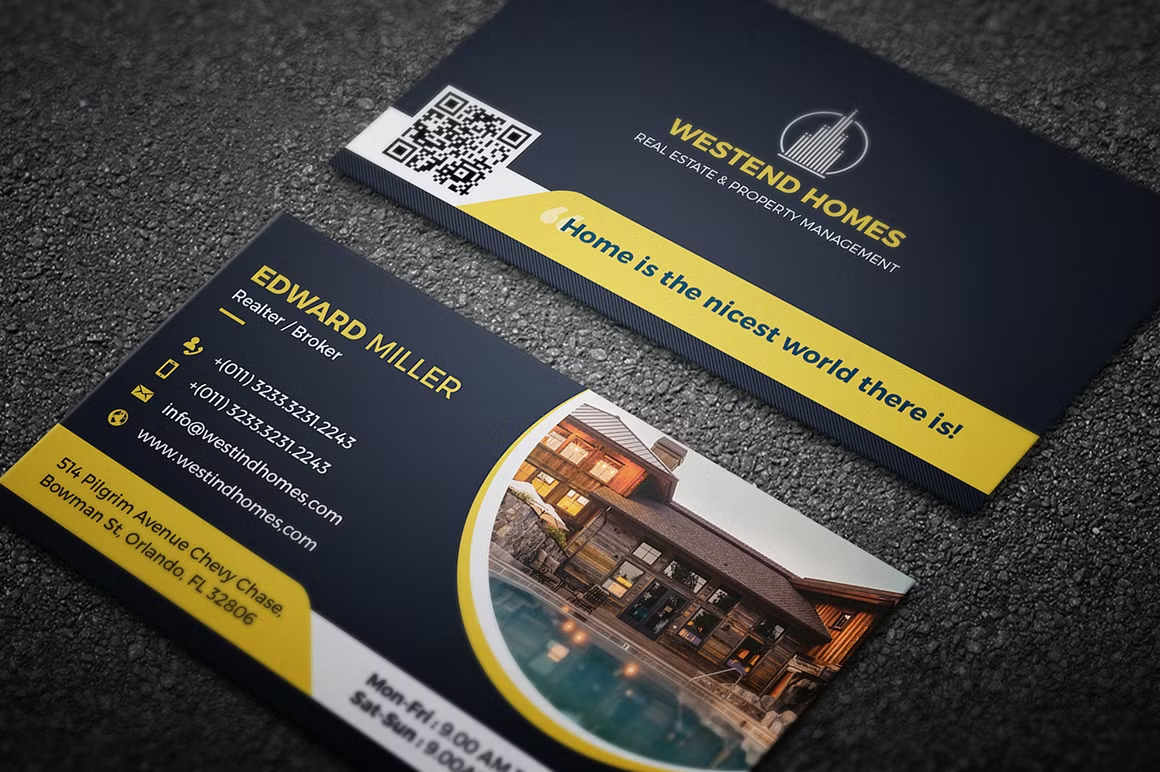
Hand your cards out at open houses, networking events, or even casual meetups. Such a strong offline touchpoint can turn brief encounters into lasting client relationships.
Aura Print reports that 86% of customers think a thicker business card looks more professional. The company also found that 78% of recipients remember a colored card better than the white one.
4. Collect client testimonials
Client testimonials are one of the most powerful tools in commercial real estate branding. They show prospects that you deliver results and people are satisfied with your services. A strong testimonial can be more persuasive than any marketing copy.
Client reviews can take many forms:
- Written quotes are quick and easy to share on your website or social media.
- Video testimonials add emotion and authenticity, letting customers speak directly to your audience.
- Star ratings and reviews on platforms like Zillow, Google, or Realtor.com provide social proof at a glance.
To gather testimonials, ask satisfied clients soon after closing. Send a short email, request a quick video, or guide them through a review platform. Keep it easy and convenient—most clients are happy to help if it’s simple.
Showcase testimonials everywhere. Place them on your homepage and dedicate a section to client stories. Highlight them in email campaigns and share short quotes or clips on social media, too. Consistency builds credibility.
Rotate fresh testimonials regularly. Present different property types, neighborhoods, and client experiences to show versatility. By making testimonials central to your branding strategy, you become the obvious choice for new clients.
Wyzowl discovered that 9 out of 10 people trust what a customer says about a business more than what the business says about itself.
5. Create engaging content
For many clients, hearing your insights or watching you explain the market builds trust faster than text alone. Podcasts and video content let people connect with you on a more personal level.
A real estate podcast might cover local market updates, home-buying tips, or interviews with experts. Episodes don’t need to be long—15 to 30 minutes is enough to share real value. Shorter clips from these episodes can double as social media content.
Engaging video works just as well:
- Virtual tours show homes in action.
- Quick explainer videos answer common buyer or seller questions.
- Behind-the-scenes clips give a human touch.
You don’t need a film crew—your phone and good lighting can carry most of the work.
Wyzowl data shows the impact of video on branding and sales. 96% of marketers say video helped them increase brand awareness. And 87% of people have been convinced to buy a product or service after watching a video.
How do you make branding for real estate brokers?
You can build real estate broker branding by defining your USP, creating a brand style guide, or using a newsletter. Here, it doesn’t stop at what clients see. In larger firms, it’s just as important to build a shared culture inside the team.
1. Craft compelling brand story
A good brand story shows the journey that shaped your business. When it feels authentic, it makes you a one-of-a-kind broker. To achieve this, know your audience—their goals and struggles. Then frame your story around the solution you offer and the results they get.
Remember to keep it human. Share challenges you’ve overcome and experiences that shaped your real estate firm. You can also highlight some success stories from your clients.
Finally, structure it like a simple narrative: conflict, solution, outcome. Use the same tone and message across all channels.
Brands that tell compelling stories have the power to break through the clutter and truly engage their audience. A story can capture someone’s attention, make them feel strong emotions, and develop empathy, leading to engagement and action. This journey from awareness to purchase is why storytelling is such a powerful tool in a brand manager’s arsenal.
2. Define your USP
Without a unique selling proposition (USP), you blend in with every other broker. This standout feature attracts clients—and agents—giving them a reason to choose you over someone else.
To make your USP work, start with thorough research. Look at your competitors. What promises do they make? What gaps do they leave? Your USP should never be a copy of what’s already out there. It has to come from your own strengths, values, and the ideal audience you want to reach.
Maybe you specialize in first-time homebuyers, luxury properties, or relocation services. Maybe your edge is hyper-local expertise or a client experience that feels more personal than anyone else’s. Whatever direction you choose, make sure it’s both authentic and hard for others to replicate.
Don’t bury your unique value proposition in the fine print. Put it front and center, backing it up with stories, proof, and results.
Expert tip: Stand out by leaning into current trends. They include, for example, AI-powered matchmaking, green living, or virtual-first experiences.
3. Host local events and webinars
Events let people meet you face-to-face or live online. They turn cold contacts into warm leads and give you content to share after the fact. They also create referral opportunities with local partners.
By hosting local events and webinars, you share your expertise and build community at the same time. You position yourself as a trusted expert.
How to organize an in-person event:
- Set a clear goal. Decide if you want new buyer leads, seller consultations, or press interest. Choose a specific topic with local appeal, such as “Buying in [Neighborhood] Right Now.” Keep it practical and useful.
- Pick a simple format. A workshop for 20–30 people works well for deeper conversations. A larger mixer helps you expand your sphere. Partner with a café, library, or community center to keep costs down and add local flavor.
- Plan a short agenda: welcome (5 min), main value section (20–30 min), Q&A (10–15 min), and a clear call to action (5 min). Promote through your email list, social media, and local partners. Capture registrations with a simple form.
- Deliver strong value on the day. Keep slides clean and involve attendees with questions. Collect contact info at check-in. Within 48 hours, send a thank-you email with a recap and invite attendees to book a short consultation.
Webinars give you the same benefits without venue costs. Choose a platform like Zoom or GoToWebinar. Define your audience and tailor the title to their needs. Keep the structure tight, use good audio and visuals, and engage attendees with polls or chat. Record the session to repurpose clips for marketing.
Events are everything—they allow us to engage with the community, and we are nothing without our community.
4. Send a branded newsletter
Use a newsletter to stay top of mind with clients. Sending valuable updates keeps you visible and memorable, so subscribers think of you when buying or selling property. Newsletters also nurture relationships with real estate investors, while showcasing your industry knowledge.
While writing newsletters, include actionable content:
- Local market trends
- Property listings
- Tips for buyers and sellers
- Links to your blog or videos
- Clear calls to action
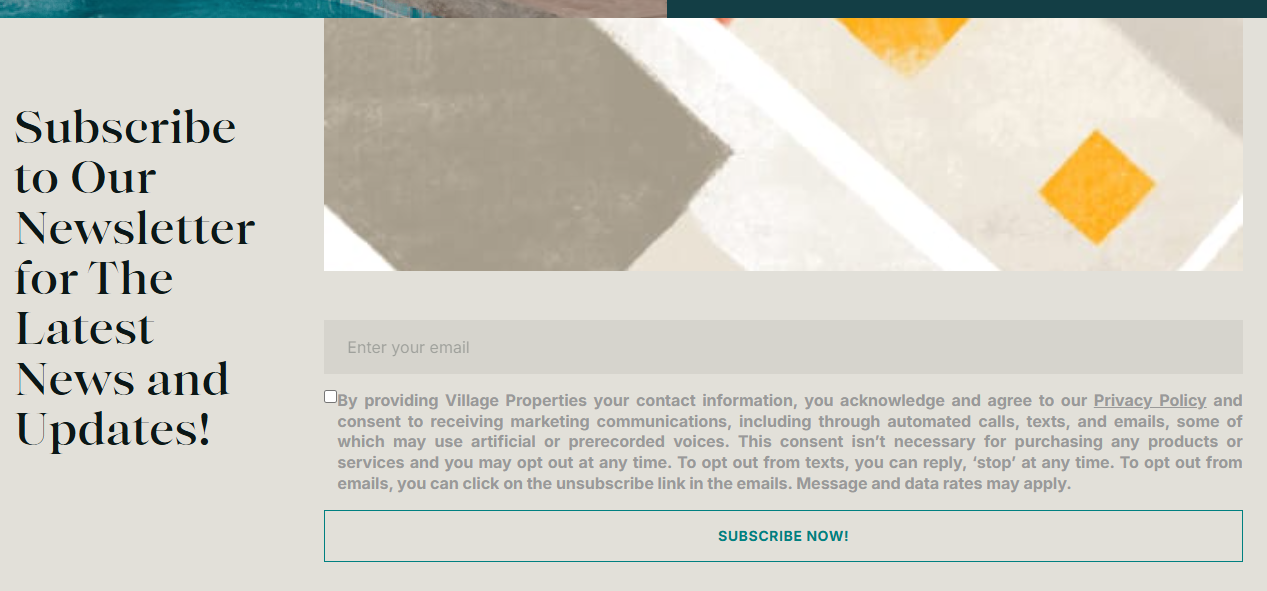
You can create your newsletter using tools like Mailchimp, Brevo, or HubSpot. They offer editable templates and automation features, among other things. Remember to track key metrics such as open rates, click-through rates, and conversions to measure engagement. Use this data to refine content and send more relevant, targeted updates.
When creating newsletters, always keep personalization in mind. SmarterHQ found that 72% of consumers only respond to marketing messages matching their interests.
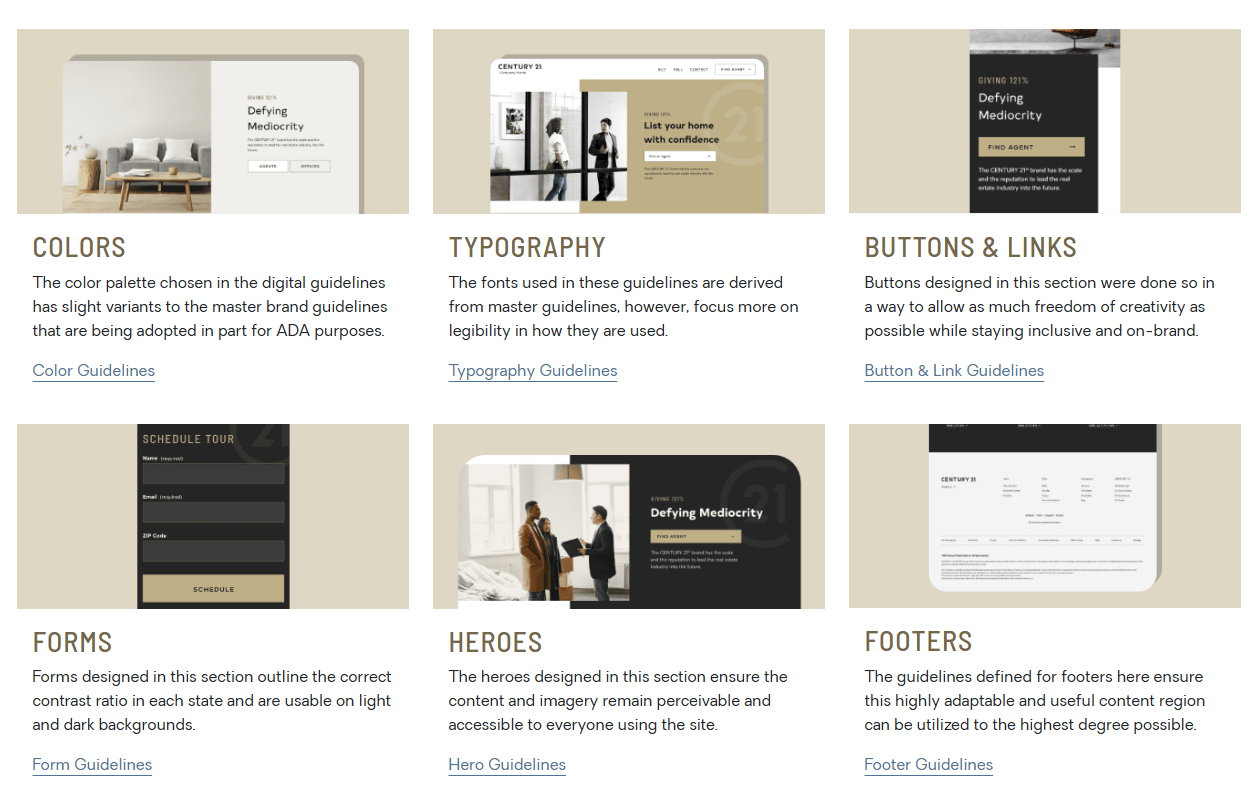
5. Create a brand identity guidebook
Successful real estate branding requires a clear guidebook to keep your identity consistent. It tells your creative team exactly how to represent your brand’s look, feel, and values.
Think of your guidebook as the central hub where all your branding rules come together. It’s a single reference that collects your visual assets, messaging, values, and tone. Many companies share their brand guidelines as a presentation or webpage. Keeping them updated is part of brand management.
A brand style guide can serve internally for your team or externally as a reference for partners and collaborators. Key elements of such a guidebook often include:
- Mission, vision, and operating values
- Logos, colors, fonts, icons, and imagery
- Illustrations and templates
- Voice, tone, and copy style
- Formatting rules and usage instructions
- Resources and contact points for questions
A well-crafted manual ensures everyone can produce content aligned with your brand.
Improve your real estate branding with Placester
Real estate branding is an ongoing process, not a one-time effort. It doesn’t happen overnight. Building a brand from scratch starts with developing the right strategy. Once you have a comprehensive guidebook for your real estate agency, you can set up your website and social media channels.
Placester makes this easy. It lets you build a website from the ground up, giving your brand a professional home and a platform to grow. You can also draw inspiration from the real estate branding ideas above, but always tailor them to your target audience.
Start creating your brand identity today and give your real estate business the foundation it deserves.
FAQ
How to create your real estate brand?
To create a brand in real estate space, start by defining your key principles and target audience. Then create a consistent visual identity and apply it to your website, social media, and offline channels. Make sure every touchpoint reflects your professionalism and unique approach.
What is the best personal branding for real estate agents?
The best real estate branding tips focus on showcasing what makes you stand out from other agents. Emphasize your niche expertise, unique approach, and the specific benefits clients get by working with you. Use storytelling to boost your brand recognition and build an emotional connection with your audience.
What are some reccomended real estate branding services?
As a real estate professional, you can work with specialized branding agencies like 1000WATT or Brandlord. You also have tools that let you manage parts of your brand image independently. For example, Hootsuite manages your social media presence; Placester helps you design your website; and Canva lets you create visual assets.
Published on

Take your real estate website to the next level with Placester!
Discover new opportunities and save thousands of dollars every year.